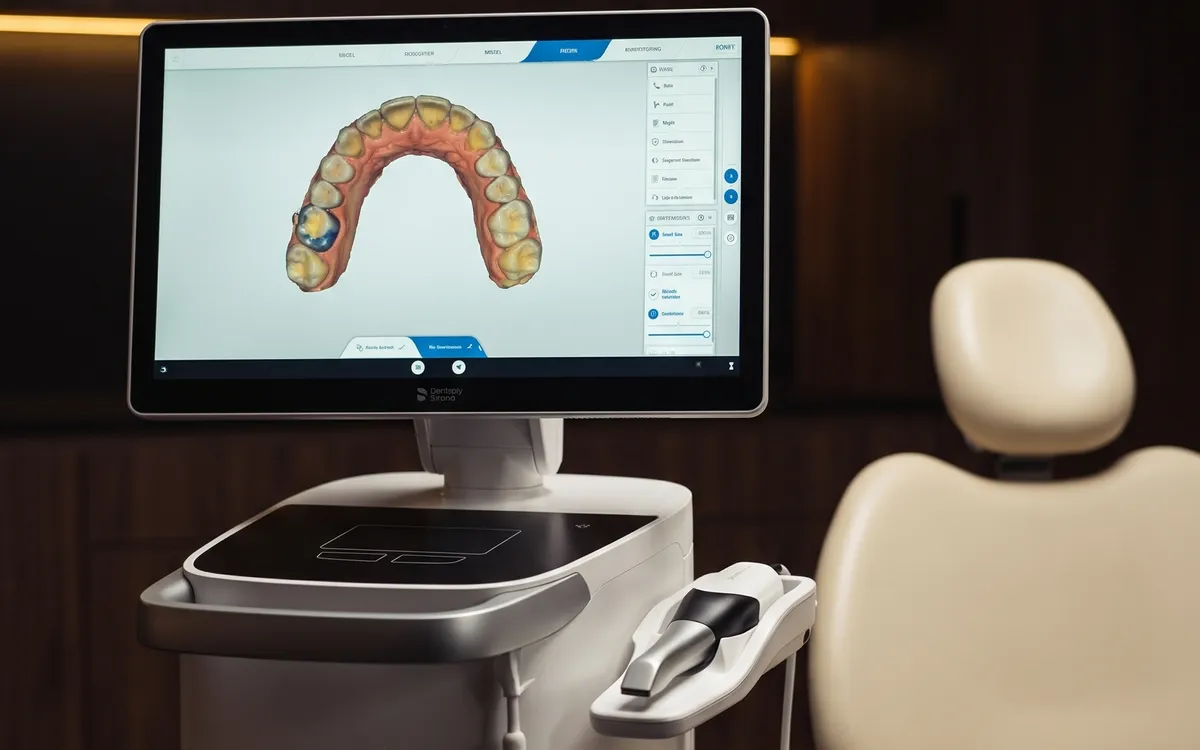
Primescan
Digital impression for every crown and bridge, no tray and no paste.


Prosthodontics · clinic and partner lab
We make precisely fitting ceramic crowns and bridges for function, appearance and long term comfort. Depending on the findings, the work is made digitally in our clinic or together with a specialised dental laboratory.
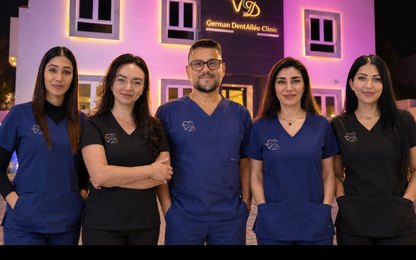
 With Dr. Mohammad Shaker.
Patient guide
A dental crown is a cap that covers and protects the whole visible part of a damaged tooth. A dental bridge replaces one or more missing teeth, usually by attaching an artificial tooth to crowns on the neighbouring teeth or on implants, and for some front teeth by a thin wing bonded to the back of a neighbouring tooth. Both are fixed in the mouth, so you do not take them out.
At German DentAllée in Jumeirah 1, crowns and bridges are planned and made by Dr. Mohammad Shaker, DHA Specialist Prosthodontist. Many single crowns are milled in the clinic in one visit with CEREC, see same-day crowns. Bridges can also be made on the same day where the case allows. Larger bridges, zirconia work and front teeth that need fine layering of colour are made by our partner laboratory, Deutsche Technik DL in JLT, Dubai, over a few visits.
This page explains the materials, how a lab crown or bridge is made, when a bridge is a good idea and when an implant may be better, and what you can do to make your crown last.
Is this for you?
Step by step
Dr. Mohammad checks the teeth, gums, bite and X-rays and explains whether a crown, a bridge, an onlay or an implant makes most sense. You receive the written plan with all costs.
Under local anaesthetic the tooth is shaped. The Primescan records it digitally, no impression paste.
A temporary crown or bridge protects the tooth and lets you test shape and bite while the lab works.
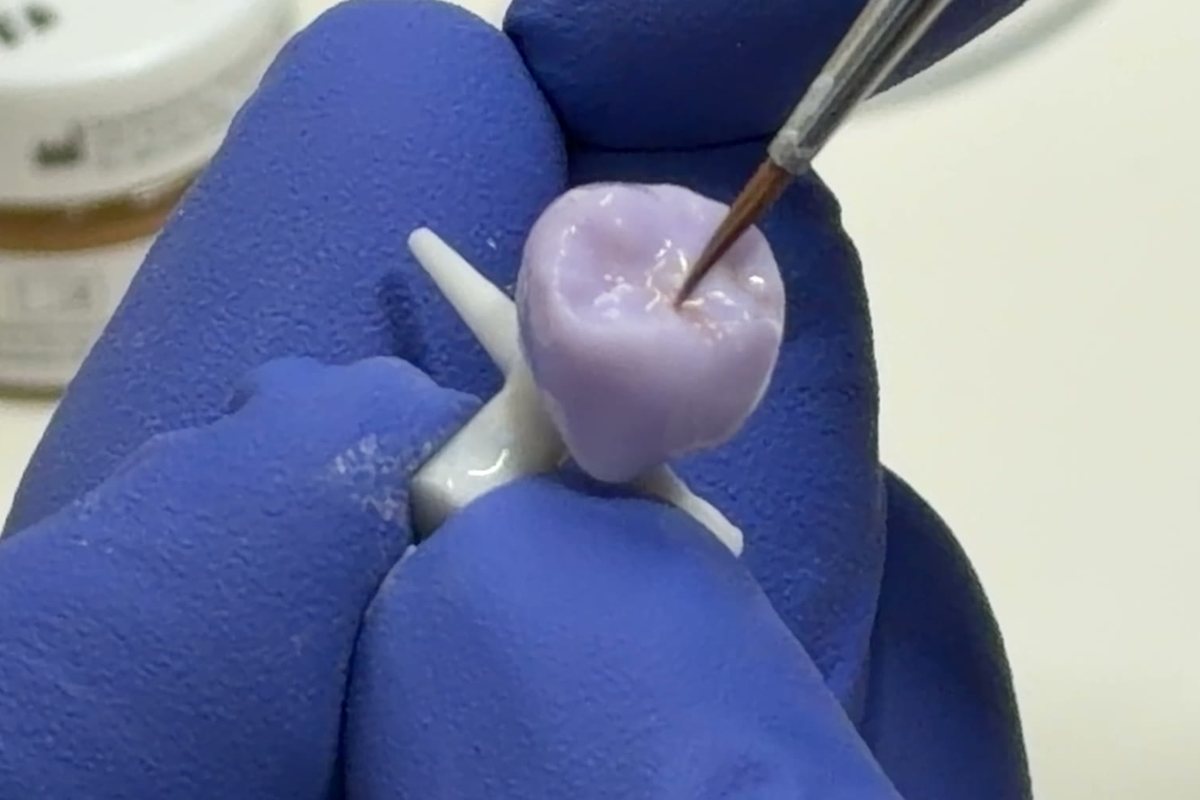
Our partner laboratory makes the crown or bridge from the scan, in ceramic or zirconia.
Fit, bite and shade are checked in daylight, then the restoration is cemented or bonded.
That depends on what your teeth need, so a price without an examination would not be honest. After the examination you receive a written treatment plan with all costs, before anything starts. Payment and insurance
What changes the cost
The tooth has to be prepared for a crown, and it can be sensitive for a while. A crown or bridge can chip or loosen over the years and then needs repair.
Your next step
Or call 800 433 368 (toll free) · Sat to Thu 9:00 to 18:00 · Fri closed
A crown removes tooth structure all around the tooth, so it should never be the first answer. Dr. Mohammad’s rule is simple: tooth structure is precious, and we keep as much of it as we can. If a filling, an onlay or a partial crown can protect the tooth, that is what you hear first, see fillings and inlays.
A full crown is the right choice when the remaining tooth is too weak to hold together on its own. Typical reasons are a tooth with several broken walls, a back tooth after a root canal treatment, a tooth with a large old filling and cracks, an old crown that has failed, or a tooth that has to carry a bridge.
There are several crown designs. A full crown covers the whole tooth. A three-quarter crown leaves one healthy wall untouched, usually on the cheek side, which keeps more of your own tooth. A crown can also be made on an implant, where it is screwed or cemented onto an abutment instead of a natural tooth.
There is no single material that fits every tooth. The choice depends on where the tooth is, how much space there is, how strong your bite is, whether you grind and how important the look is in that position. You hear why a material is recommended for your tooth.
Very natural looking because light passes through it much like enamel. It is bonded to the tooth and well suited to front teeth, premolars and many molars. Same-day CEREC crowns belong to the ceramic group.
A very strong white ceramic, often used for back teeth, for patients with heavy bite forces and for bridges, where the connecting parts need strength. Modern zirconia can be quite translucent, and it is often layered or coloured in the lab for a natural look.
Many people have older crowns with a metal framework under the porcelain. We do not make new ones: our crowns and bridges are metal free ceramic or zirconia. The metal of an old crown can show as a thin grey line at the gum once the gum recedes, and replacing it with a metal free crown is a common reason patients come to us.
After the examination, a lab crown or bridge usually needs two or three further appointments: the preparation, the fitting and, for larger or aesthetic cases, a try-in in between. The laboratory work itself usually takes one to two weeks, depending on the work.
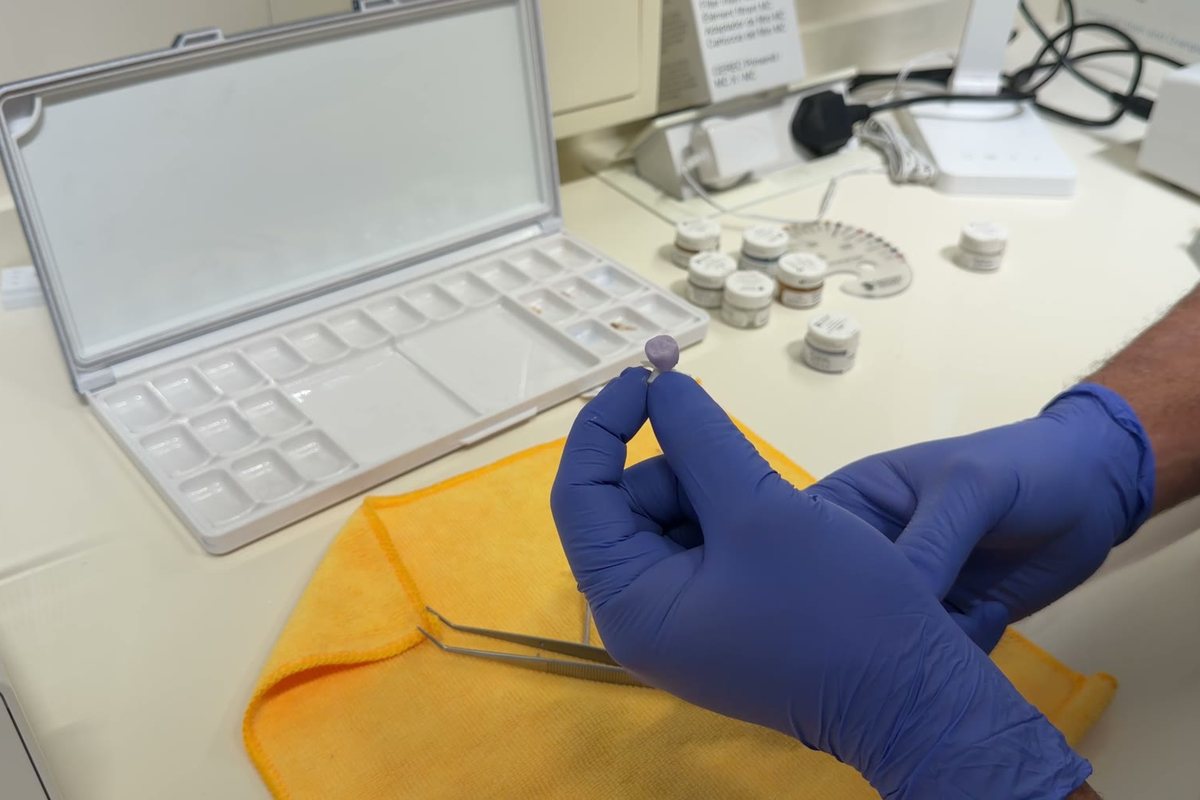
At the first visit the tooth is numbed and shaped, and the Primescan records it digitally along with the neighbouring and opposite teeth, so no impression paste is needed. The shade is chosen with the VITA shade guide, and for front teeth photos are taken so the technician sees the natural colour, translucency and small details of your teeth.
Before you leave, a temporary crown or bridge is made and fixed with a temporary cement. It protects the prepared tooth, keeps the gum in shape and lets you test length and shape. With a temporary you should avoid sticky and very hard food, and if it comes loose, keep it and call us.
For larger or aesthetic cases there can be a try-in, where the framework or the shape is checked in your mouth before the work is finished. At the final appointment the temporary is removed, the crown or bridge is tried in, the fit at the gum, the contacts with the neighbours, the bite and the shade in daylight are checked, and then it is cemented or bonded.
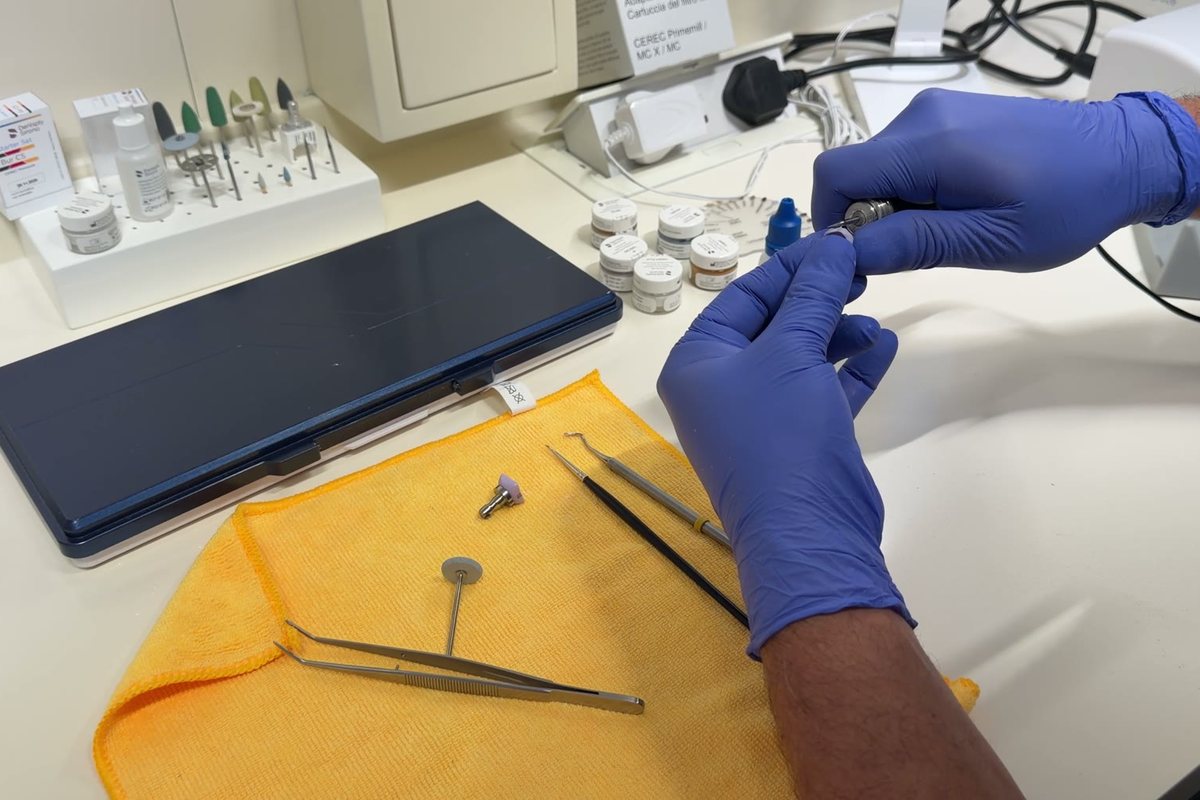
Many patients ask why every crown is not simply made in one day, since the clinic has CEREC. The answer is that both routes have their place.
A same-day crown is ideal for many single teeth: you save a visit, you need no temporary and the crown is milled from a uniform ceramic block in the clinic. A lab crown is the better choice for bridges, for zirconia work, for several front teeth where very fine layering of colour matters, and for complex cases such as a full mouth rehabilitation.
Both start with the same digital scan, and both are designed against your real bite. The decision is made at the examination and depends on your tooth, not on what is faster. When you book, we tell you which route is planned and how many appointments to expect.
Sometimes both are combined: back teeth are restored the same day, while front teeth or a bridge are made by the partner laboratory in a second step. That way you are not waiting longer than necessary for the teeth that can be finished quickly.
Filmed in the clinic
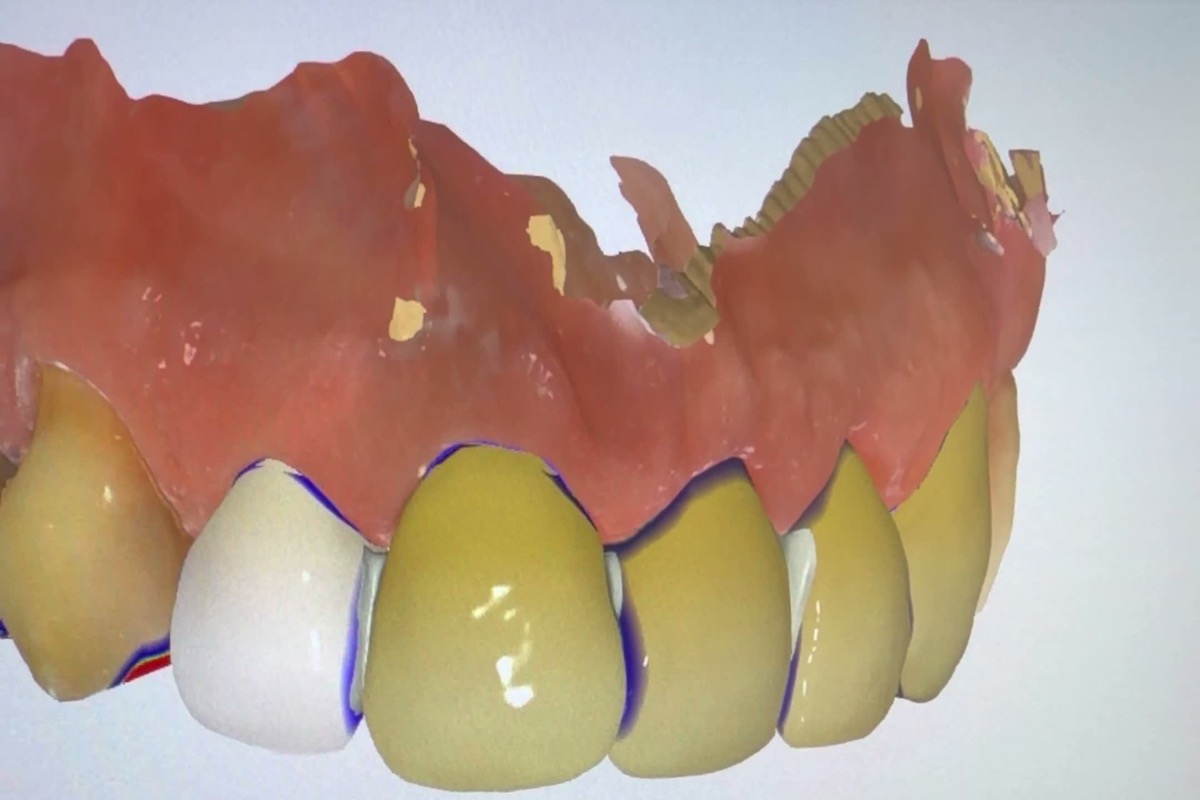
Digital design of a bridge, filmed in Jumeirah.
Real results
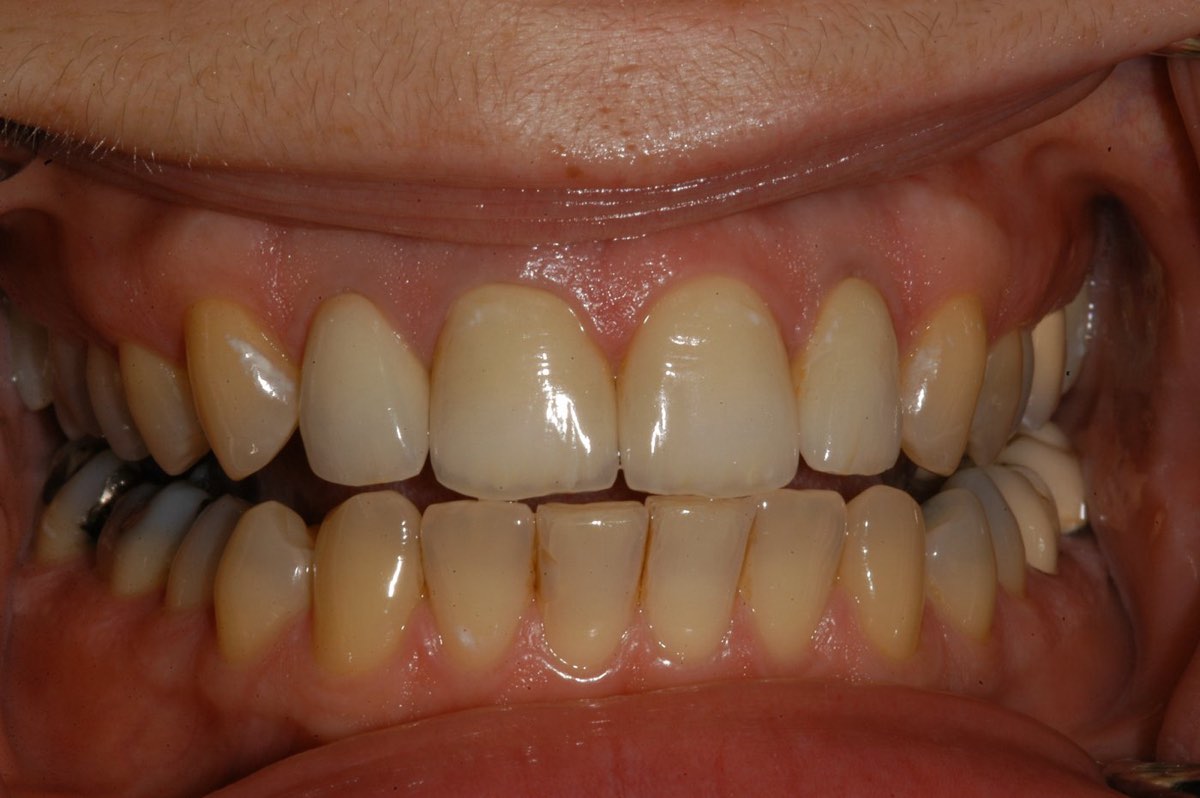
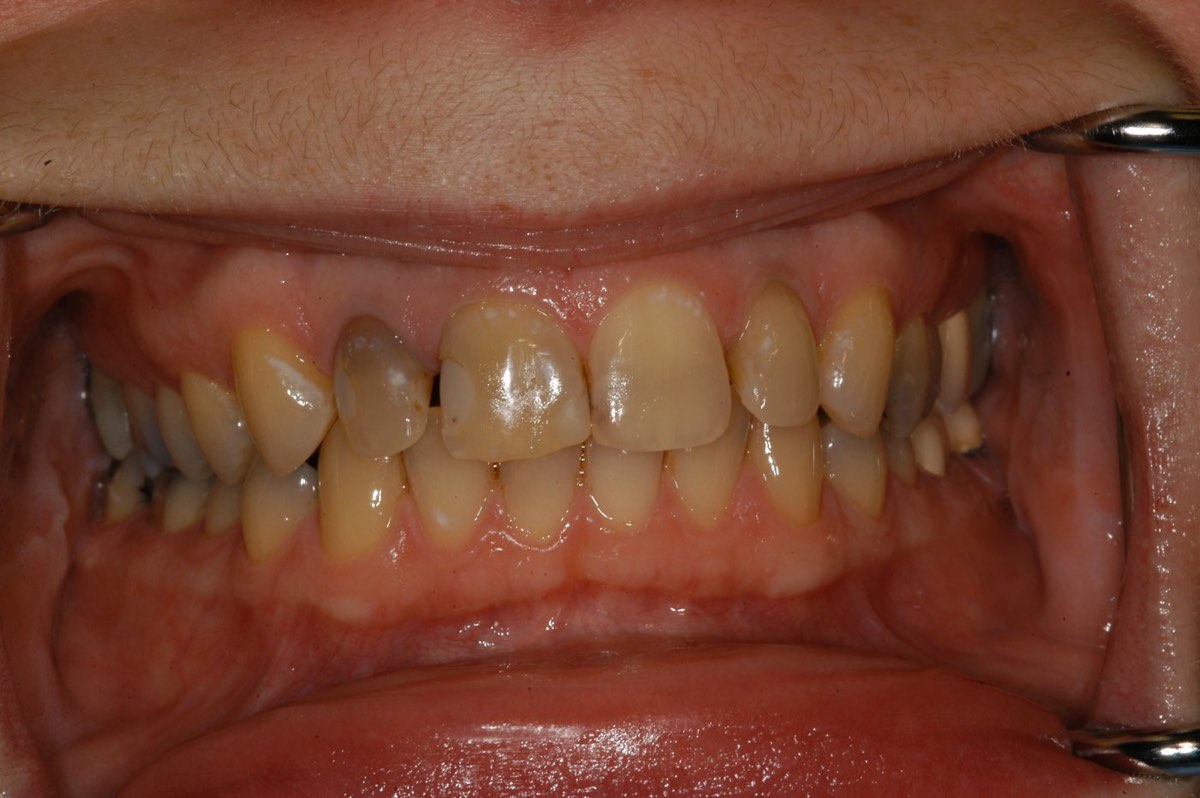
Real case · Dr. Mohammad
Treated by Dr. Mohammad in Germany. Shown with the written consent of the patient. Results can vary from one person to another.
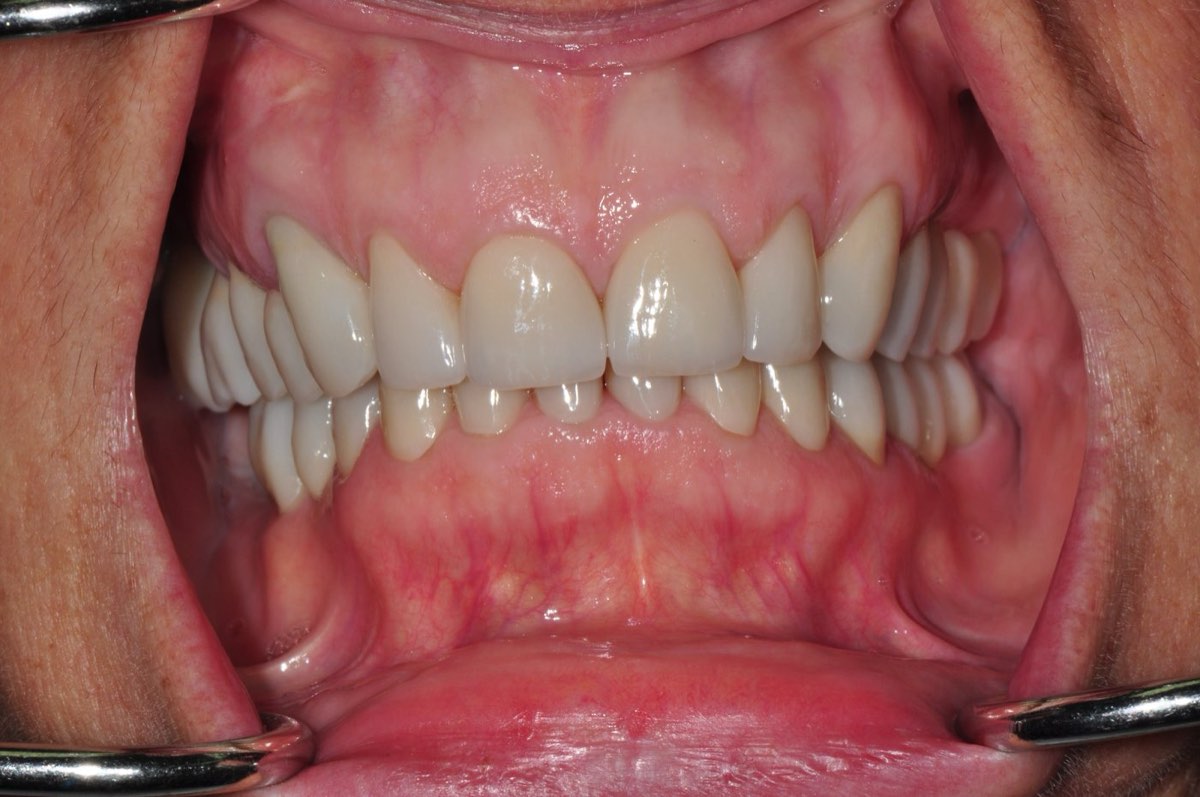
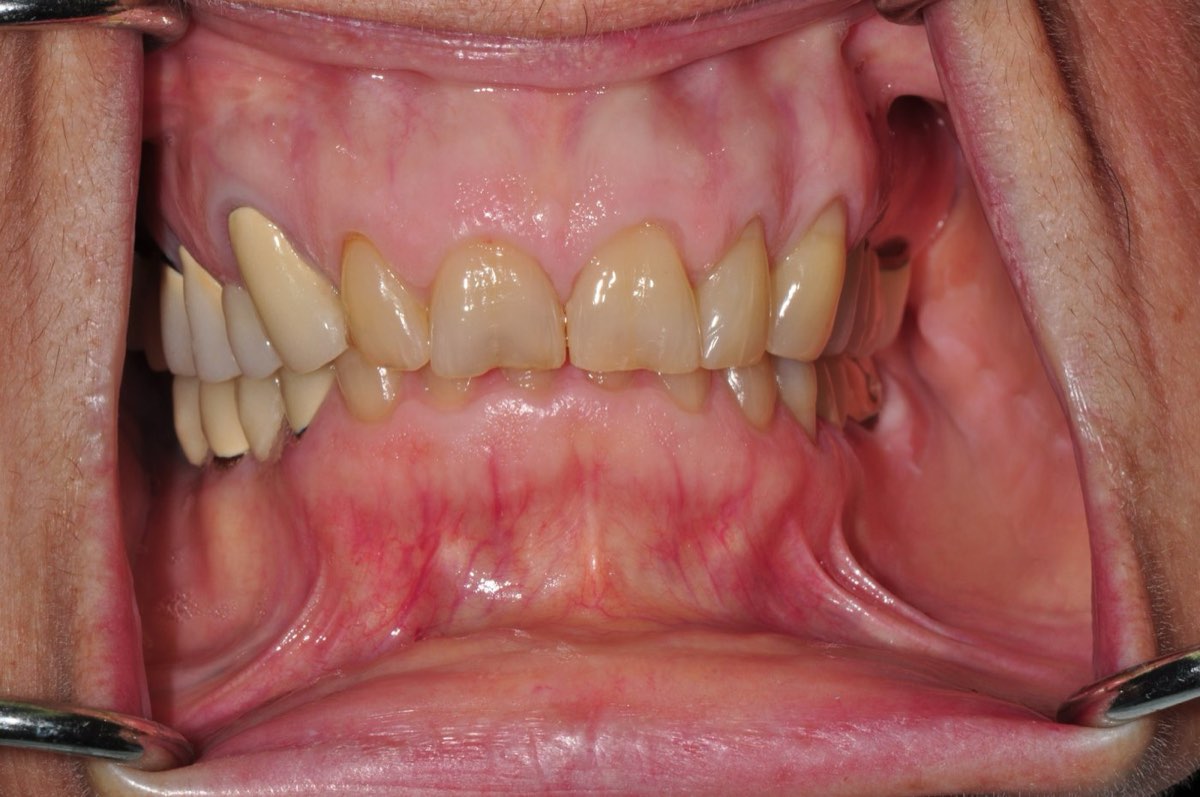
Real case · Dr. Mohammad
Treated by Dr. Mohammad in Germany. Shown with the written consent of the patient. Results can vary from one person to another.
A bridge closes a gap. In a conventional bridge, the artificial tooth in the middle, called a pontic, is joined to crowns on the teeth on either side. The whole bridge is made in one piece and fixed in place.
For a single missing front tooth, a resin bonded bridge, also called a Maryland bridge, can be an option. A thin wing on the artificial tooth is bonded to the back of one or both neighbouring teeth, so they need little or no shaping. It suits gaps where the bite does not put heavy load on it. A bonded bridge can come loose, and it can often be bonded again.
A bridge is a good option when the neighbouring teeth already need crowns, for example because they have large fillings, or when an implant is not possible or not wanted. It is fixed, it feels natural when you chew and it is usually completed within a few weeks, without surgery.
The main drawback is that healthy neighbouring teeth have to be shaped for crowns. When both neighbours are healthy and untouched, an implant is often the gentler solution for the rest of your mouth, because it stands on its own. Under a bridge the bone where the missing root used to be can slowly shrink, and cleaning under the pontic needs a little practice with special floss or interdental brushes.
Longer bridges are possible, but every extra pontic puts more load on the anchor teeth. Dr. Mohammad checks the roots, the gums, the bone on X-rays and your bite before he recommends a bridge, and tells you honestly if the anchor teeth are not strong enough.
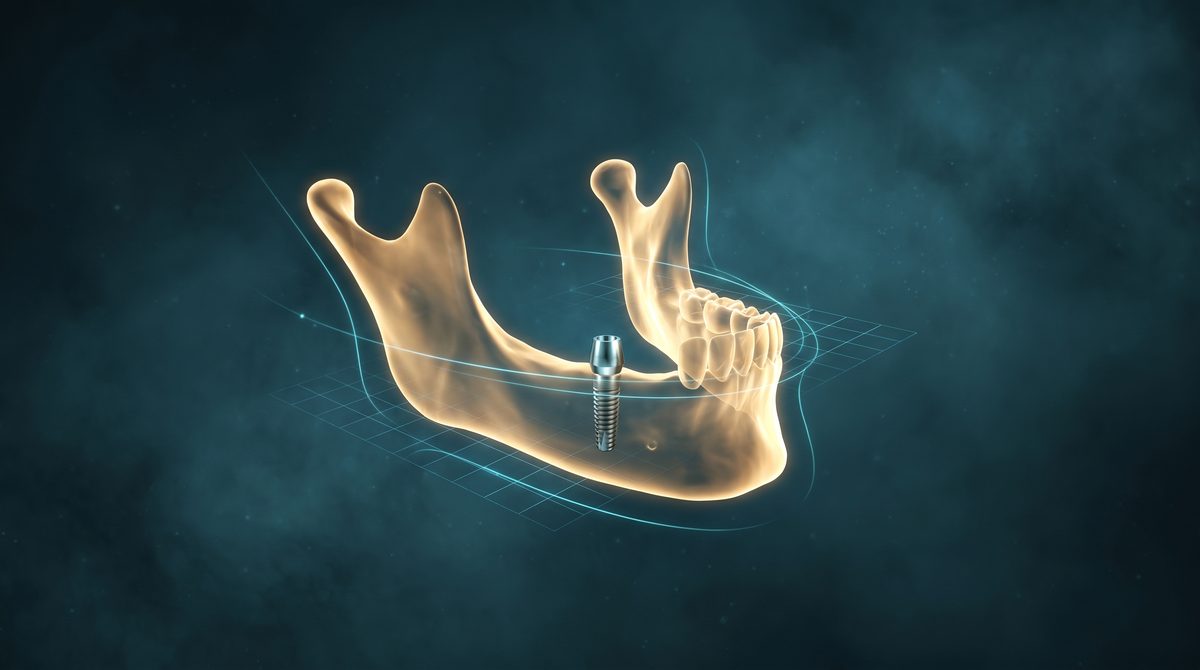
When several teeth in a row are missing, they do not each need an implant. A bridge can be fixed on two or more implants, so for example three missing teeth can be replaced by a bridge on two implants. Your natural teeth stay untouched.
The implants are planned in 3D on a cone beam scan and placed by our oral and maxillofacial surgeon, Dr. Ayse Yilmaz Bastug. The clinic uses implant systems by Dentsply Sirona, Astra Tech EV and OmniTaper. After healing, Dr. Mohammad scans the implants digitally and makes the bridge, which is screwed or cemented onto abutments.
If all teeth in a jaw are missing, a full arch bridge can be fixed on four implants, see All-on-4. And for a single missing tooth, an implant with its own crown is often a very natural solution, see implants.
Whether a tooth borne bridge or an implant bridge is better for you depends on your bone, your health, the state of the neighbouring teeth and your wishes. You see both options side by side in your plan, with the time frame and costs for each.
A well made crown or bridge on healthy teeth and gums can last many years. There is no fixed lifespan, though, and results vary from person to person.
The most common long-term problems are not a broken crown but decay at the crown edge and gum disease around the anchor teeth. The risk of both is greatly reduced by daily cleaning at the gum line and regular professional cleanings with our hygienist, Afra Alblooshi.
Grinding is the second big factor. It puts very high forces on ceramic and can chip the surface. If you grind or clench, a custom night guard protects your crowns and your natural teeth, see jaw and TMJ.
If a crown chips slightly, it can sometimes be repaired in the mouth. If it has failed, it is replaced, and the tooth underneath is checked at the same time.
At your check-ups, the edges of every crown and bridge are examined, the gums around them are measured and X-rays are taken at sensible intervals. A small problem at a crown edge is much easier to treat when it is found early, often before you notice anything yourself.
Timeline
Examination, X-rays and the written plan with costs.
Preparation, digital scan, shade and a temporary crown or bridge.
Usually one to two weeks, depending on the work.
For larger or aesthetic cases, shape and fit are checked before finishing.
Final check of fit, bite and shade in daylight, then cementation.
A short bite check if needed, then your regular check-ups.
Technology
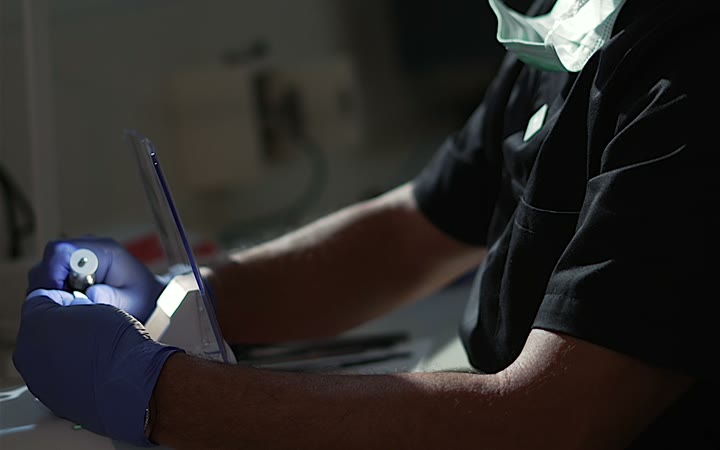
Digital impression for every crown and bridge, no tray and no paste.
Deutsche Technik DL in JLT, Dubai, makes bridges, zirconia and layered ceramic work.
Myth or fact
MythA crowned tooth cannot get decay.
FactThe crown cannot, but the tooth underneath can, at the edge. Daily cleaning and check-ups still matter.
MythZirconia is always better than ceramic.
FactZirconia is stronger, glass ceramic often looks more natural. The right choice depends on the tooth, the bite and the position.
MythA bridge is outdated since implants exist.
FactBridges are still a good option, especially when the neighbouring teeth need crowns anyway or an implant is not possible.
MythCrowns always look artificial.
FactShade measurement, photos for the technician and a check in daylight help a crown blend in with your own teeth.
More answers
Tap a question to open the answer. Anything else, ask us on WhatsApp.
Crowns and bridges are established treatments with a long track record. These are the points you should know, and what we do about them.
Three ways to replace a missing tooth. Each has its place. Your plan compares the options that are realistic for you.
| Bridge on teeth | Implant with crown | Partial denture | |
|---|---|---|---|
| Neighbouring teeth | Shaped for crowns, little or none for a bonded bridge | Untouched | Usually untouched, clasps or attachments hold it |
| Surgery | Not needed | Needed, sometimes with bone grafting | Not needed |
| Time to final teeth | A few weeks | Several months including healing | A few weeks |
| Fixed or removable | Fixed | Fixed | Removable |
| Bone at the gap | Can slowly shrink | Helps keep the bone | Can slowly shrink |
| Cleaning | Special floss under the bridge | Like a natural tooth, plus check-ups | Taken out and cleaned |
After the examination, a crown from the lab usually takes two or three visits. For suitable teeth, a CEREC crown can often be made and fitted in one visit.
It depends on the tooth, the space, your bite and the look you want. Ceramic for natural looks, zirconia for strength and bridges. We work metal free.
The tooth is numbed with a local anaesthetic, so you usually feel pressure rather than pain. Tell us if anything feels sore. Gums can be tender for a day or two afterwards.
With good care and regular check-ups, many years. Grinding, gum health and daily cleaning make the biggest difference, and results vary from person to person.
If the neighbouring teeth are healthy, an implant spares them. If they need crowns anyway, a bridge can be the simpler choice. You see both options in your plan.
Yes. Several missing teeth can be replaced by a bridge on two or more implants, without touching your natural teeth.
Yes, with a lab crown or bridge a temporary protects the tooth until the final work is fitted. With a same-day crown no temporary is needed.
Usually yes. The old crown is removed, the tooth checked, and a new metal free crown is made.
Often it is the metal edge of a porcelain fused to metal crown showing as the gum recedes. A metal free crown can solve this.
With bridge floss, interdental brushes or a water flosser, every day. Our hygienist shows you how.
Yes. Front teeth are planned with photos and shade measurement, and the shade is checked in daylight before the crown is fitted.
That depends on your policy. Before treatment, check with your insurer about preauthorisation, annual limits, exclusions and rules for replacing older crowns. We do not bill insurers directly. You pay at the clinic and receive the documents you need to submit a claim. The first consultation is charged and credited towards your treatment if you go ahead. Payment by cash, card, transfer, Tabby or Tamara.
It depends on the material, the number of units and what the teeth need first. After the examination you receive a written plan with all costs before anything starts.

Why with Dr. Mohammad Shaker
Crowns and bridges are the daily work of a prosthodontist. Dr. Mohammad trained, taught and examined in prosthodontics at a German university hospital, holds an M.Sc. in prosthodontics and published research on crack growth in all ceramic restorations. He decides material, thickness and design for each tooth, not for a price list.
Dr. med. dent. · M.Sc. Prosthodontics · DHA Specialist Prosthodontist · Specialist Senior Dentistry (GER 🇩🇪)
Meet Dr. Mohammad ShakerAlso at the clinic
You are welcome
One message is enough. No forms, no call centre. You write, the clinic answers in Arabic, English or German.
Villa 21B, La Mer · Jumeirah 1 · Dubai
Sat to Thu 9:00 to 18:00 · Fri closed