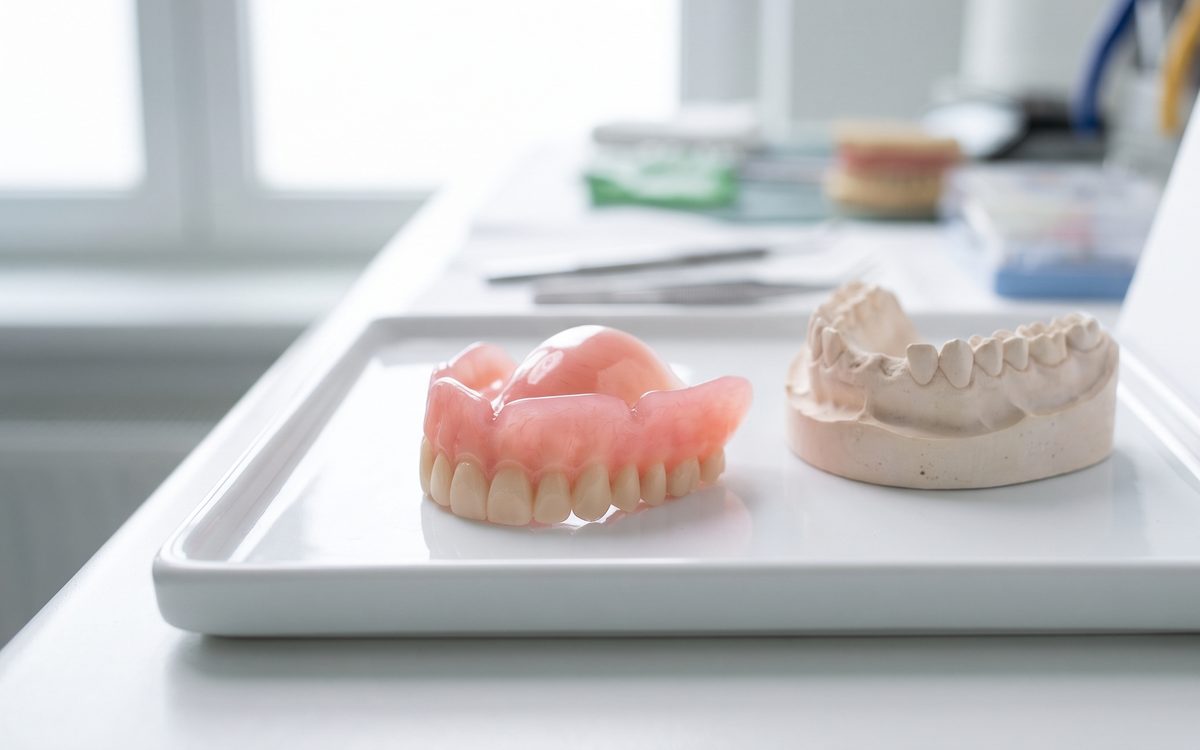
Obturator
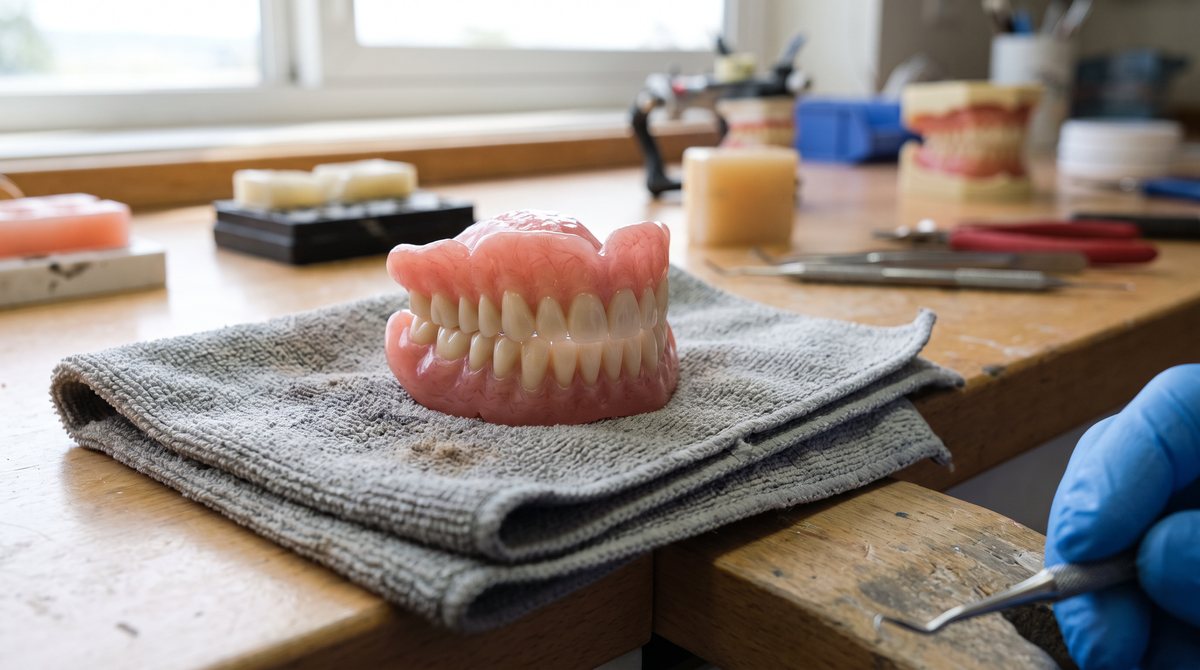
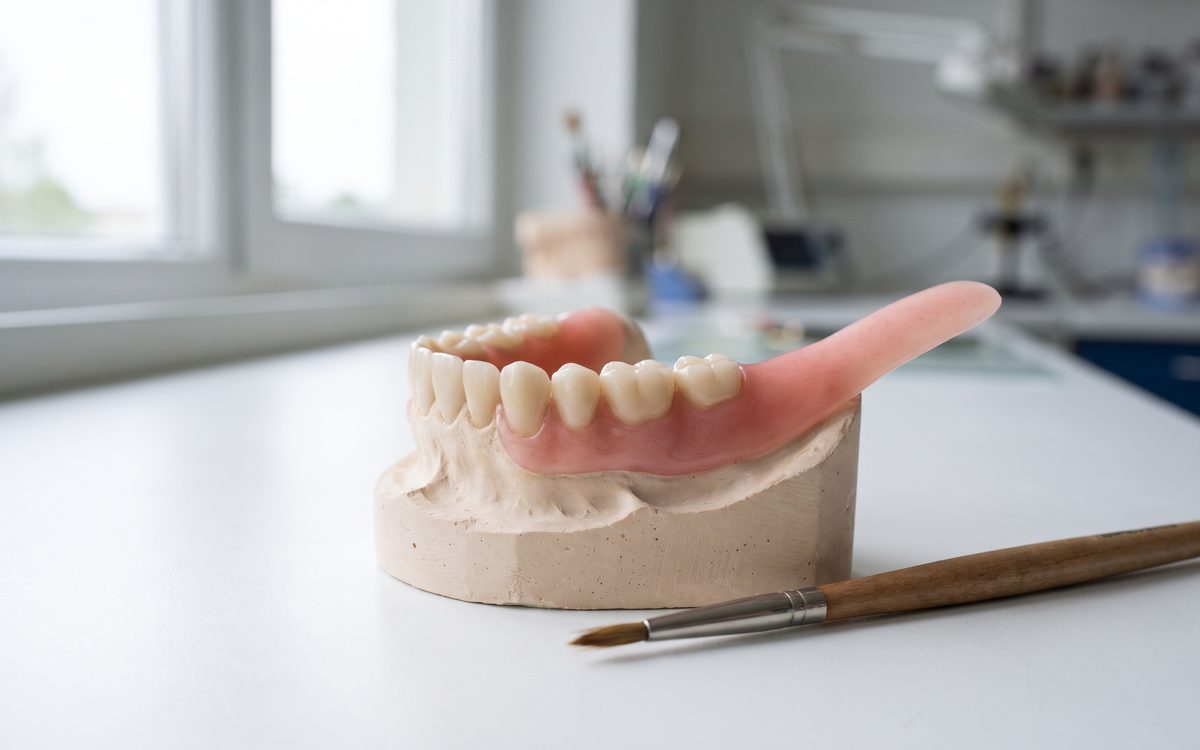
Prosthesis that closes a defect of the palate.

Complex cases
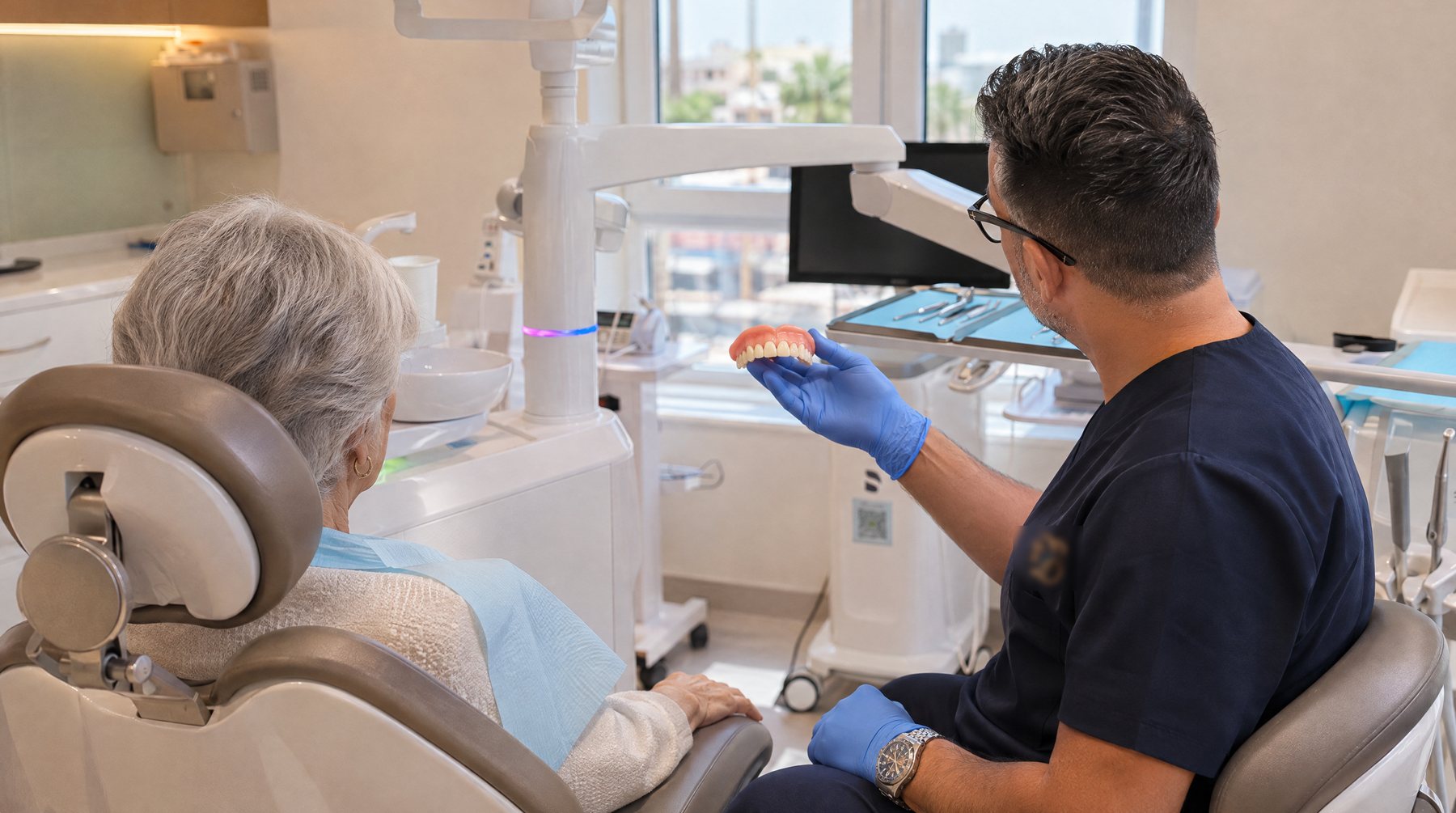
For complex defects after illness, injury or surgery, we advise on individual prosthetic options and on working together with other specialists.
 With Dr. Mohammad Shaker.
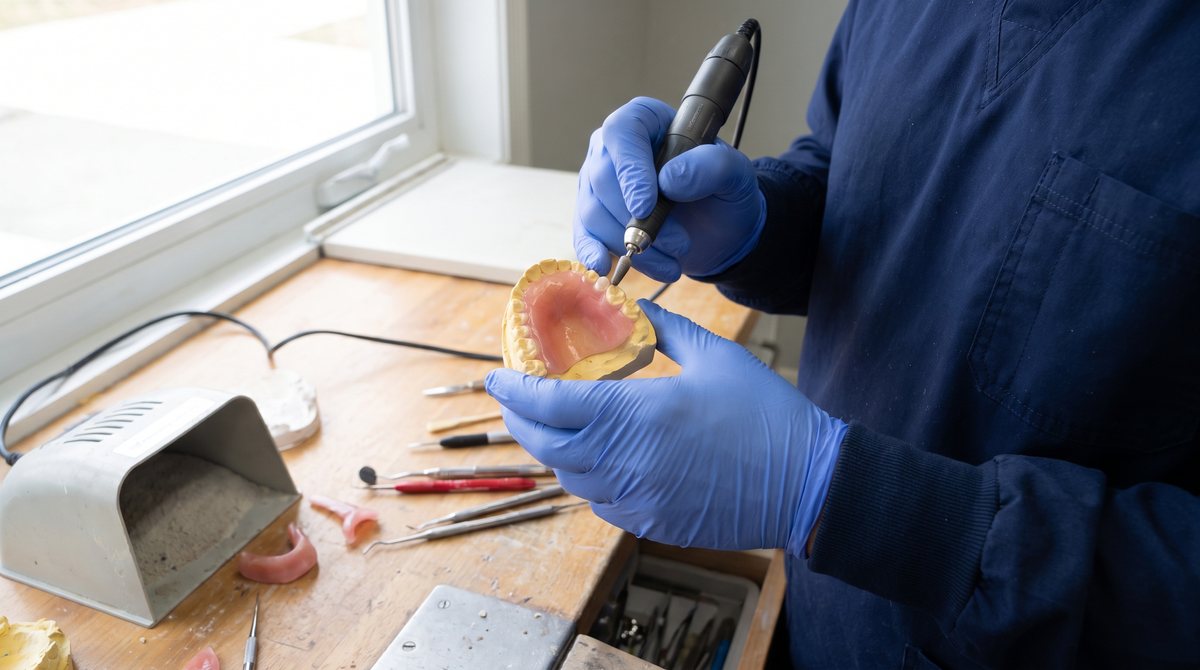
Patient guide
Maxillofacial prosthetics are custom made prostheses that replace teeth, bone and soft tissue lost through tumour surgery, injury or a congenital condition such as cleft lip and palate. Inside the mouth, the most common one is the obturator, a prosthesis that closes an opening in the palate to help improve speech, eating and drinking. How much they improve varies from person to person.
After part of the upper jaw has been removed, an opening often remains between the mouth and the nose or sinus. Without a prosthesis, air escapes through the nose when you speak, and liquids can come out of the nose when you drink. A well made obturator is designed to seal this opening, support the cheek and lip, and replace the missing teeth at the same time.
These cases need careful planning and experience in prosthodontics. Dr. Mohammad Shaker, DHA Specialist Prosthodontist, worked from 2003 to 2010 at the Department of Prosthodontics of Saarland University Hospital in Germany, later as senior consultant. During that time and in his own practice, he treated more than 30 patients who needed prostheses after surgery, radiotherapy or with a cleft. At German DentAllée Clinic in Jumeirah 1 he continues this work. How we coordinate with your surgeon and your other doctors is discussed before treatment.
This page is written for patients and families who are facing such a treatment, or living with a prosthesis that no longer works well. It explains the different types of prostheses, how the process works, how to prepare teeth for radiotherapy, and what daily life with an obturator looks like.
Is this for you?
Step by step
Your medical history, surgical and oncology reports, imaging and, if available, photos from before the surgery. These help understand what has been removed and what needs to be replaced. Please send them before your appointment.
Before treatment we discuss how the plan fits with your surgeon, oncologist and, where relevant, speech therapist. Timing matters: some steps have to wait until healing or radiotherapy is complete.
Defects are often deep and irregular, and the tissue can be sensitive. Impressions are taken carefully, step by step, and the shape of the prosthesis is built up so it seals without pressing.
The prosthesis is fitted and adjusted over several appointments. Speech, swallowing and comfort are checked each time. It is normal that a few rounds of fine tuning are needed.
Tissue changes over months and years after surgery and radiotherapy. Regular checks, relining and, when needed, a new prosthesis help keep it working.
That depends on what your teeth need, so a price without an examination would not be honest. After the examination you receive a written treatment plan with all costs, before anything starts. Payment and insurance
What changes the cost
Every case is individual, and several appointments and adjustments are usually needed. What is possible depends on the tissue and is discussed with the treating team.
Your next step
Or call 800 433 368 (toll free) · Sat to Thu 9:00 to 18:00 · Fri closed
Patients usually come to us in one of four situations. Some are about to have surgery or radiotherapy in the head and neck area and need their teeth checked first. Some have had part of the jaw or palate removed and need a prosthesis to close the defect. Some are adults with cleft lip and palate who still struggle with gaps, missing teeth or speech. And some already have a prosthesis that has become loose, uncomfortable or no longer seals well.
Some patients have already seen several clinics. Their situation is not standard, and it takes time to understand it. The first appointment therefore allows more time. Please send your reports and scans before your appointment.
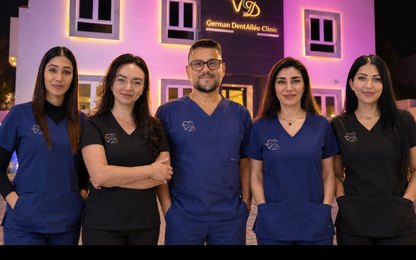
Dr. Mohammad treats in Arabic, English and German, and the team also speaks Hindi, Turkish and Albanian. For patients and families in a difficult phase of life, being able to ask every question in their own language makes a real difference. The clinic is on the ground floor and wheelchair accessible.
All prostheses made at German DentAllée are prostheses inside the mouth. We do not make facial prostheses for the nose, eye or ear. If you need one, we can tell you which kind of specialist to ask. Which option suits you depends on the size and position of the defect, the remaining teeth, the planned or completed radiotherapy and your general health.
Closes a defect of the palate after surgery or in a cleft. It sits like a denture with an extension that fills the opening and seals it. It can carry teeth at the same time. In the usual course of treatment, an obturator is adapted in stages: a first one right after surgery, an interim one while the tissue heals, and a definitive one when the shape has settled. Which stage we can take on is discussed with you and your surgical team.
Replaces teeth, gum and bone after part of the lower or upper jaw was removed. It restores the contour of the face from inside and allows chewing on the affected side again, within the limits the situation allows.
Adults with a cleft often have missing teeth and remaining openings in the palate, and sometimes a narrow upper jaw. Depending on the situation, the plan may include a partial denture with an obturator, crowns and bridges, or implants to replace missing teeth and close remaining openings. A narrow jaw itself needs a separate assessment by a specialist.
Before and during radiotherapy, custom trays can be made to apply fluoride gel at home, which helps protect the remaining teeth from decay caused by a dry mouth.
In some cases a defect can be closed surgically, for example with tissue from another part of the body, or surgery and a prosthesis are combined. This is decided and performed by the hospital surgical team, not at German DentAllée. We are glad to share our findings with your surgeon.
Radiotherapy in the head and neck area can save lives, and it also changes the mouth for many years. Saliva production often drops, so teeth decay faster. The blood supply of the irradiated jaw bone is reduced, so the bone can heal poorly after injuries or extractions. A rare but serious complication is osteoradionecrosis, where the bone does not heal and becomes exposed.
This is why teeth should be checked and treated before radiotherapy starts. Teeth that cannot be kept in the long term are preferably removed beforehand, when the oncology timing allows enough time for the sockets to heal. Teeth that can be kept are treated, and a plan for intensive prevention is made.
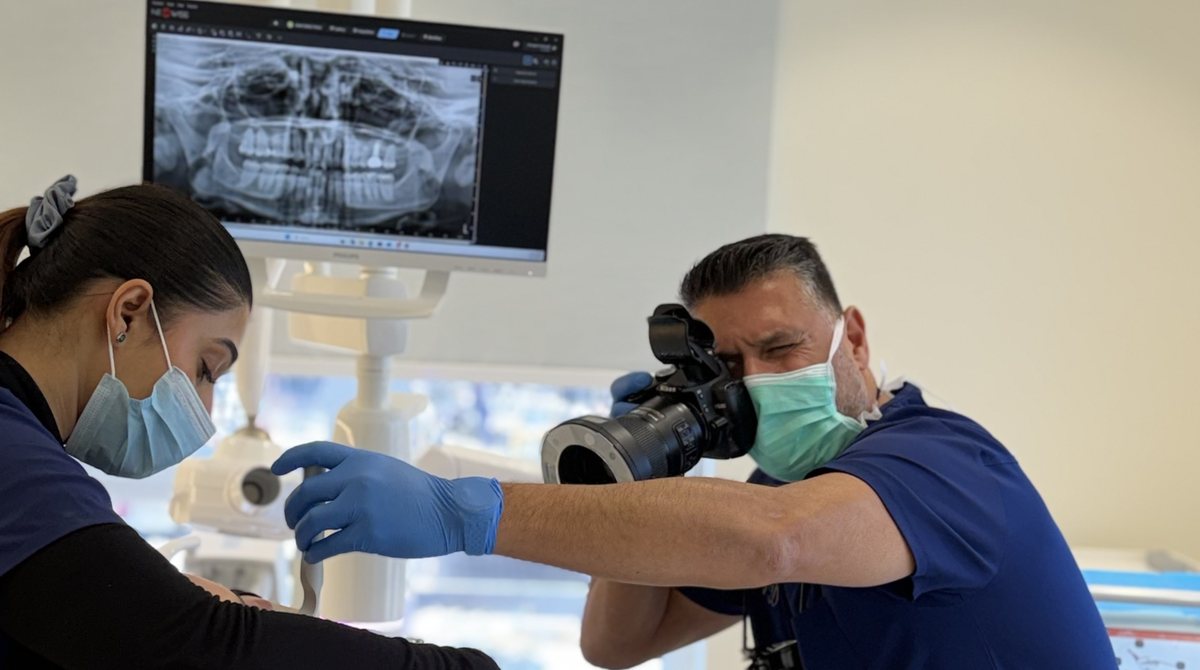
Please contact us as early as possible, ideally as soon as your oncology team has decided on radiotherapy. Send us the reports on WhatsApp, and we arrange a timely appointment, including X-rays and, where useful, a 3D scan on the MyRay Hyperion X9 Pro in the clinic.
During and after radiotherapy we stay in contact: regular check ups, professional cleaning with our hygienist, fluoride, and early treatment of any small problems. Extractions in an irradiated jaw are planned with particular care and in coordination with your doctors.
Many patients notice the clearest difference in speech and drinking. When the opening is sealed, the voice often sounds clearer and less nasal, and leakage of liquids through the nose may be reduced. Eating becomes easier too, although chewing on the operated side can remain limited, depending on how much was removed. Results can vary from person to person.
Taking the obturator in and out takes practice, especially at the beginning, when the tissue is still tender. You are shown how to do it and how to clean both the prosthesis and the defect area. Cleaning is important because mucus and food can collect in the defect.
Many patients take the obturator out at night, others keep it in because speaking and swallowing feel better with it. This is discussed individually, together with how to care for the remaining teeth that often hold the prosthesis. Those teeth carry a lot of load and are precious. Regular professional cleaning protects them, as described on our cleaning page.
Impressions of a defect are taken gently and in small steps. They can feel unusual and sometimes cause a brief urge to gag, but they are not usually painful. At the fitting, some pressure is normal while the prosthesis is adjusted.
In the first days and weeks, sore spots are common, especially on tissue that has been operated on or irradiated. Do not adjust the prosthesis yourself. Short visits are used to relieve pressure points, and a few rounds of adjustment are normal. Start with soft food in small pieces and move on to firmer food as you get used to the prosthesis.
Contact the clinic promptly if a sore spot does not heal, if pain gets worse, or if the prosthesis suddenly no longer seals. Seek urgent medical help for difficulty breathing or swallowing, heavy bleeding, or if you cannot drink enough fluids.
The biggest challenge with a large obturator is hold. Large defects can make retention more difficult, and the design and weight of the prosthesis also affect its stability. Remaining teeth are used to hold it, with clasps, crowns or attachments, and they must be protected from overload.
In selected cases implants can improve hold, for example in the remaining part of the jaw. Whether this is possible depends on the bone, the radiotherapy dose and your general health, and is decided together with your surgeon. In an irradiated jaw, implant surgery carries additional risks and needs particularly careful planning. Implants are placed at German DentAllée by our oral and maxillofacial surgeon, Dr. Ayse Yilmaz Bastug, who is in the clinic on Tuesdays and when needed, as described on our implants page.
For patients who need several teeth restored around a prosthesis, the whole mouth is planned together. Our full mouth rehabilitation page explains how such a plan is built, and our dentures page describes the denture types that are also used in these cases.
Timeline
Dental assessment, treatment or removal of teeth that would cause problems later, fluoride trays.
Usually a surgical obturator placed by or with the surgical team. We coordinate early when we are involved.
Interim prosthesis adjusted as the tissue heals and swelling goes down.
Definitive obturator or resection prosthesis, designed for the stable shape of the defect.
Checks, cleaning and relining at intervals planned for you, more often in the first year and after radiotherapy. Dental prevention may be needed for life after radiotherapy. These checks do not replace your oncology follow up.
Technology
Prosthesis that closes a defect of the palate.
Replaces teeth and tissue after surgery.
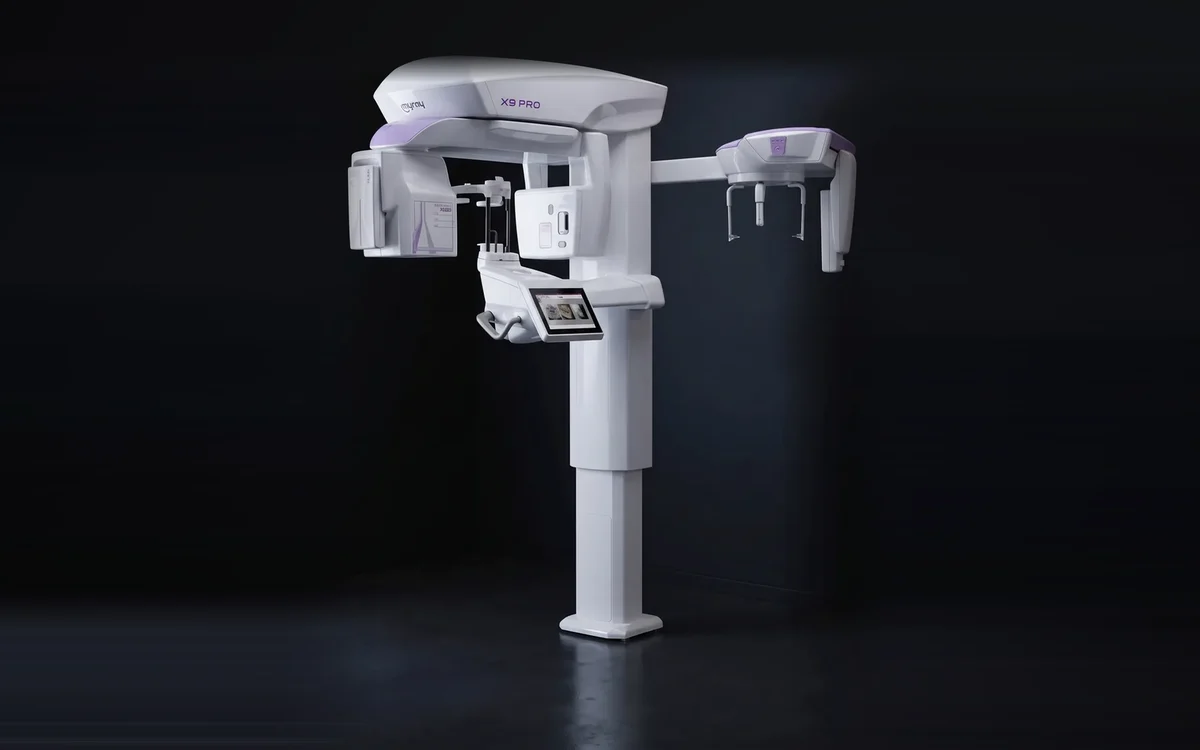
Cone beam scan of bone and defect.
Myth or fact
MythAfter a maxillectomy, normal speech is not possible again.
FactA well fitting obturator can greatly improve speech intelligibility for many patients. How much depends on the defect and the individual.
MythTeeth can be dealt with after radiotherapy.
FactNecessary extractions are preferably done before radiotherapy, when the oncology timing allows. Afterwards, the risk of poor bone healing depends on the irradiated area, the dose and your individual situation.
MythAn obturator is made once and lasts forever.
FactTissue changes after surgery, so the prosthesis needs adjustment and, over time, replacement.
More answers
Tap a question to open the answer. Anything else, ask us on WhatsApp.
A prosthesis cannot replace everything that surgery removed. It can often improve speech, swallowing and appearance considerably, and results vary from person to person. These are the challenges we discuss openly.
A prosthesis that closes an opening in the palate after surgery or in a cleft. It seals the mouth from the nose and sinus, which can make speaking, eating and drinking easier, and it can replace missing teeth at the same time.
Yes. Teeth should be checked and treated before radiotherapy to avoid problems later. Contact us as early as possible.
With your consent, we can share findings and plans with your treating doctors. How this works in your case is discussed before treatment.
No. We make prostheses inside the mouth, such as obturators and resection prostheses.
Send us your reports on WhatsApp before your appointment. The first appointment allows more time.
He has treated more than 30 such cases during his time at a German university hospital and in his practice.
Many patients speak much more clearly once the defect is sealed. How close to normal depends on the size and position of the defect, and results vary from person to person.
It depends on the stage of healing. A definitive obturator usually needs several appointments, and the time to make it depends on healing, radiotherapy and the adjustments needed. Your individual plan shows the expected timing. The whole rehabilitation, from surgery to the definitive prosthesis, usually takes months.
Impressions and fittings are not usually painful, but they can feel unusual. Sore spots in the first weeks are common and are relieved at short follow up visits.
In selected cases, yes. It depends on the bone, radiotherapy and your general health, and is decided together with your surgeon.
Sometimes it is necessary. It is planned with extra care and in coordination with your doctors, because irradiated bone can heal poorly.
Often yes. Prostheses, crowns, bridges or implants may replace missing teeth and close remaining openings, depending on the situation. A narrow jaw needs a separate assessment by a specialist.
That depends on your policy, and these cases are often handled differently from routine dental treatment. Before treatment, check with your insurer whether it is covered, which limits apply and whether pre approval is needed. We do not bill insurers directly, but you receive detailed documents and reports to claim from your insurer. The consultation is charged and credited towards your treatment.
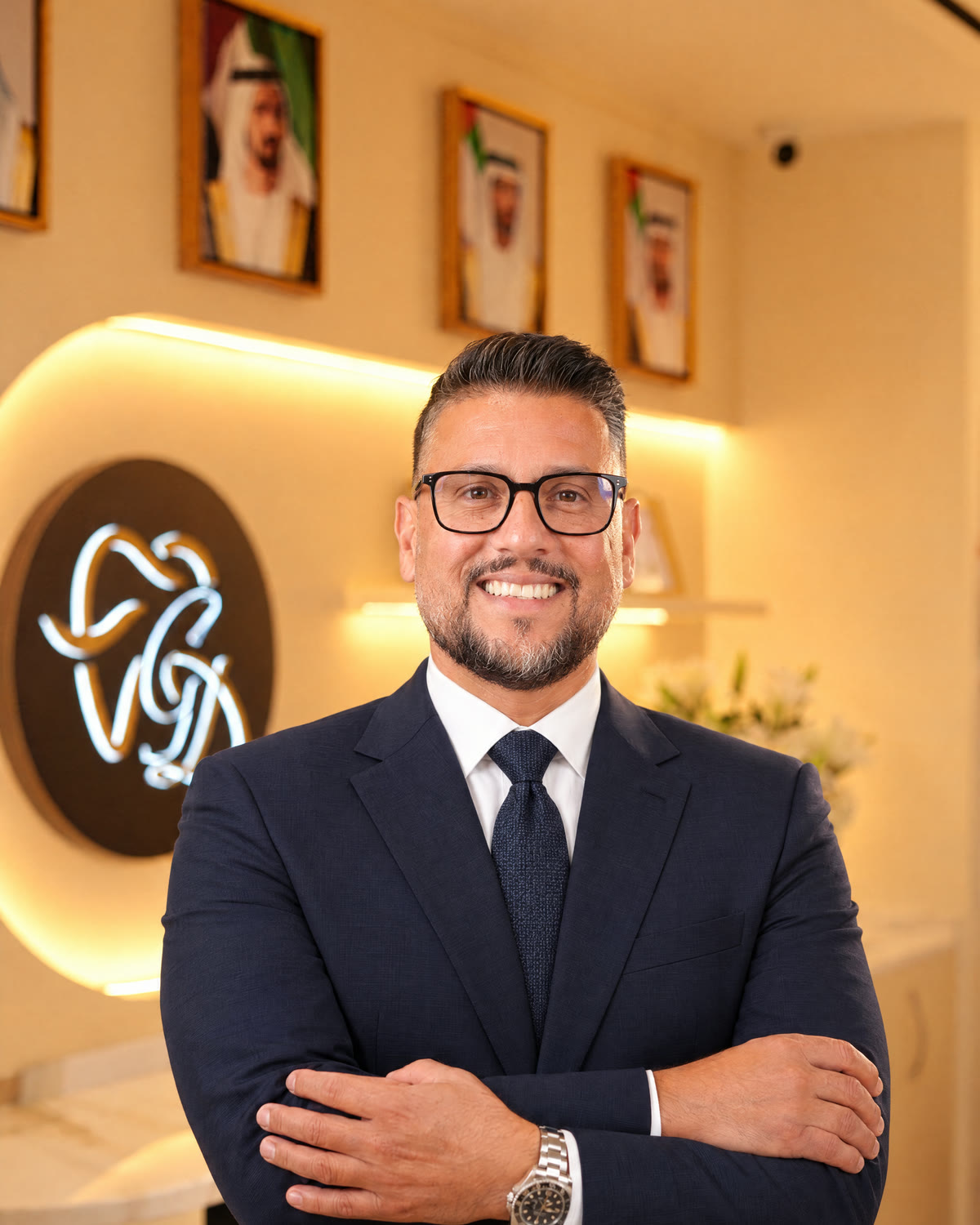
Why with Dr. Mohammad Shaker
Dr. Mohammad has treated more than 30 such cases during his time at a German university hospital and in his practice. These cases need careful planning and experience in prosthodontics, and they matter a great deal in daily life.
Dr. med. dent. · M.Sc. Prosthodontics · DHA Specialist Prosthodontist · Specialist Senior Dentistry (GER 🇩🇪)
Meet Dr. Mohammad ShakerAlso at the clinic
You are welcome
One message is enough. No forms, no call centre. You write, the clinic answers in Arabic, English or German.
Villa 21B, La Mer · Jumeirah 1 · Dubai
Sat to Thu 9:00 to 18:00 · Fri closed