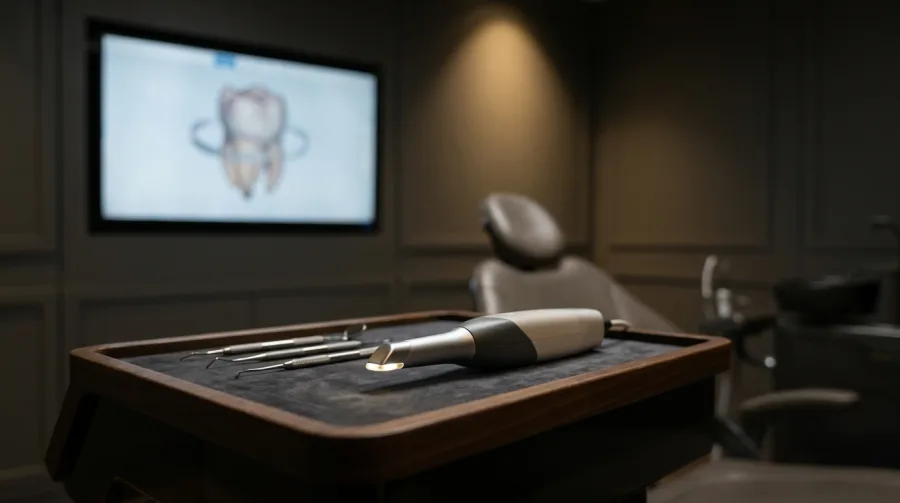
Intraoral scan & Digital Smile Design
Your teeth scanned in 3D, and the new smile designed on screen.


Digital Smile Design
A natural smile comes from a plan that fits as a whole. Where needed we combine gentle aesthetic treatments with digital planning, made for you rather than from a template.
 With Dr. Mohammad Shaker.
Patient guide
A smile makeover is a planned combination of cosmetic and restorative treatments that changes the colour, shape, position and harmony of your teeth in one design. Instead of treating one tooth at a time, the whole smile is planned together, so that every step fits the next.
The treatments are familiar ones: whitening, composite bonding, clear aligners, veneers, crowns and sometimes gum contouring or implants. What makes it a makeover is the plan: a Digital Smile Design based on your face, and a trial smile in your mouth before anything is changed.
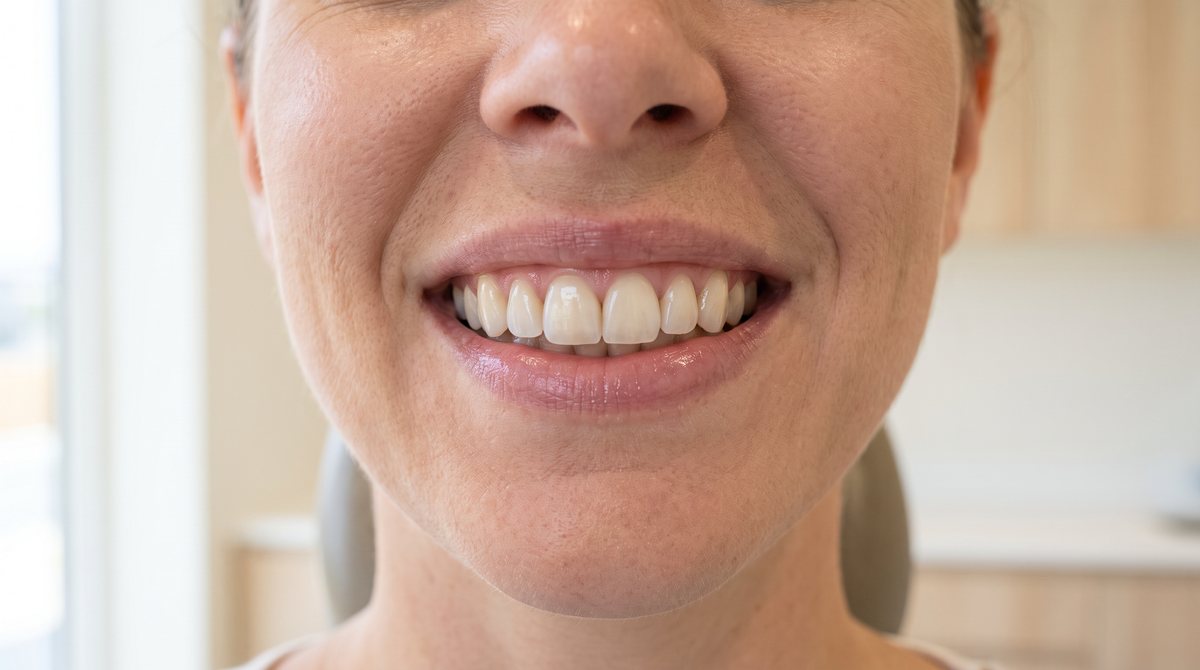
At German DentAllée in Jumeirah 1 every smile makeover is planned by Dr. Mohammad Shaker, DHA Specialist Prosthodontist. A makeover can be quieter than the word suggests: lighter teeth, two refined front teeth and a softer edge line. The aim is a smile that looks like you on a very good day, not like someone else.
Is this for you?
Step by step
You describe what you would like to change. Photos, video, a digital scan and a facial scan are taken.
The new smile is designed on screen in proportion to your face, lips and gums.
The design is transferred to your teeth as a temporary trial smile. You see it, feel it and decide.
Each step follows the plan in a sensible order: health first, then alignment, colour and shape.
Bite, gums and shade are checked in daylight, and a care plan supports ongoing maintenance.
That depends on what your teeth need, so a price without an examination would not be honest. After the examination you receive a written treatment plan with all costs, before anything starts. Payment and insurance
What changes the cost
Each step of a makeover has its own risks, for example sensitivity after whitening or enamel removed for veneers. You see the plan and its limits before anything permanent is done.
Your next step
Or call 800 433 368 (toll free) · Sat to Thu 9:00 to 18:00 · Fri closed
Every plan is individual and may combine only a small number of these treatments. The order matters as much as the choice: health first, then position, then colour, then shape.
A professional cleaning with our hygienist Afra Alblooshi, treatment of decay and, where needed, gum treatment. Cosmetic work on inflamed gums or decayed teeth does not last.
SureSmile clear aligners move teeth that are crowded, rotated or spaced. Teeth in the right place need less preparation for veneers, and sometimes no veneers at all.
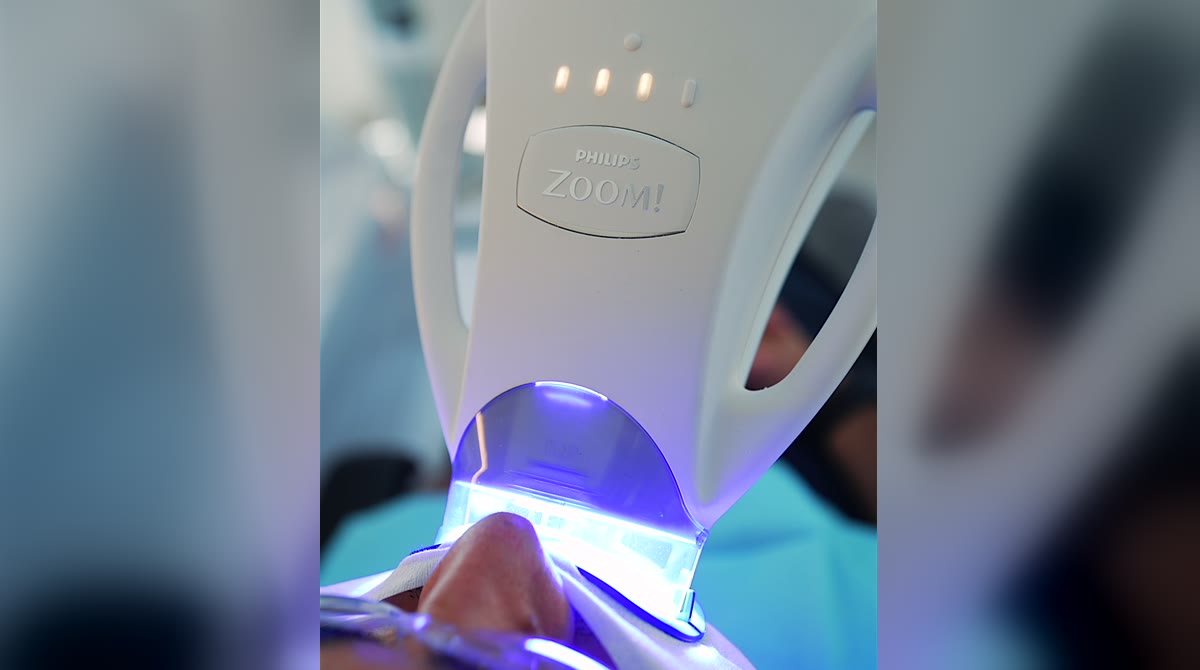
Whitening with Philips Zoom or home trays lightens natural teeth. It comes before bonding and veneers, because composite and ceramic are matched to the new shade.
Composite bonding for small corrections, porcelain veneers for larger changes of shape and colour, ceramic crowns for teeth that are broken down or heavily filled.
When the gum line is uneven or shows too much, the cause is assessed first, as excess gum display has different causes. If a change to the gum line is needed, the options and who carries it out are explained.
A gap is closed with an implant crown or a bridge. Implants are placed by our oral and maxillofacial surgeon, Dr. Ayse Yilmaz Bastug, and restored by Dr. Mohammad.
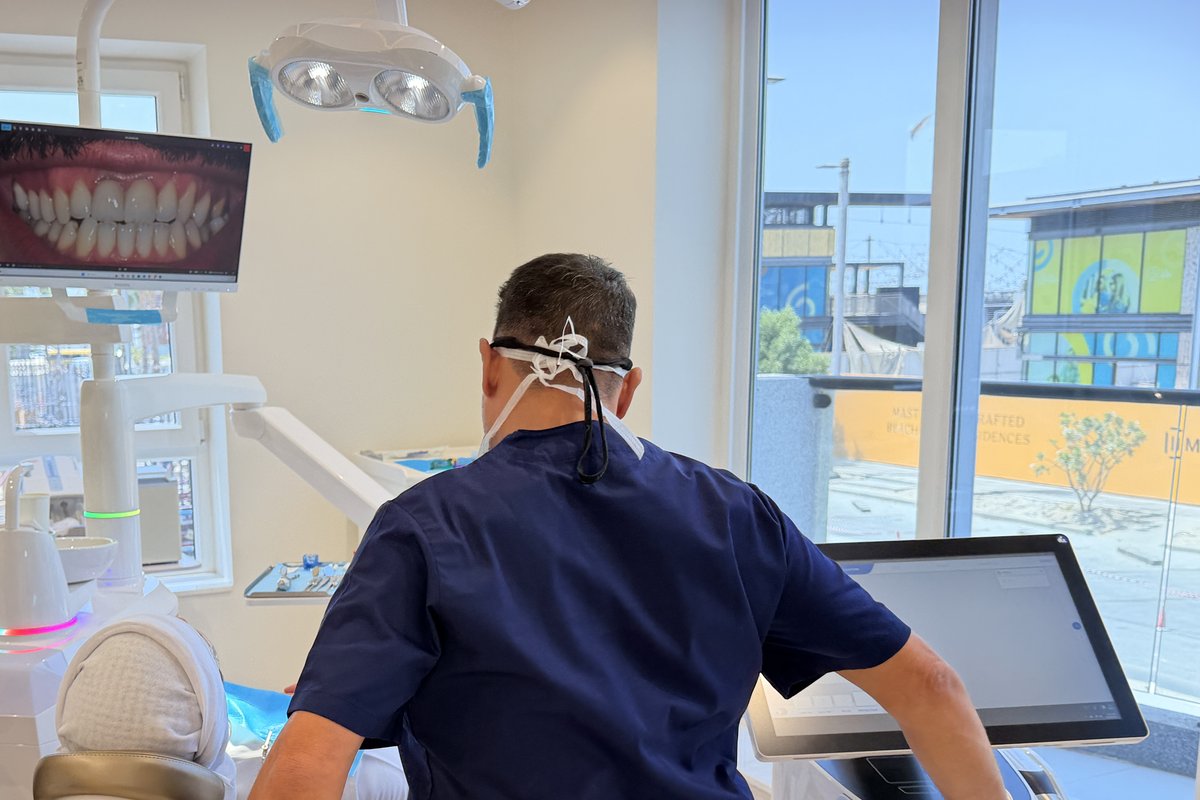
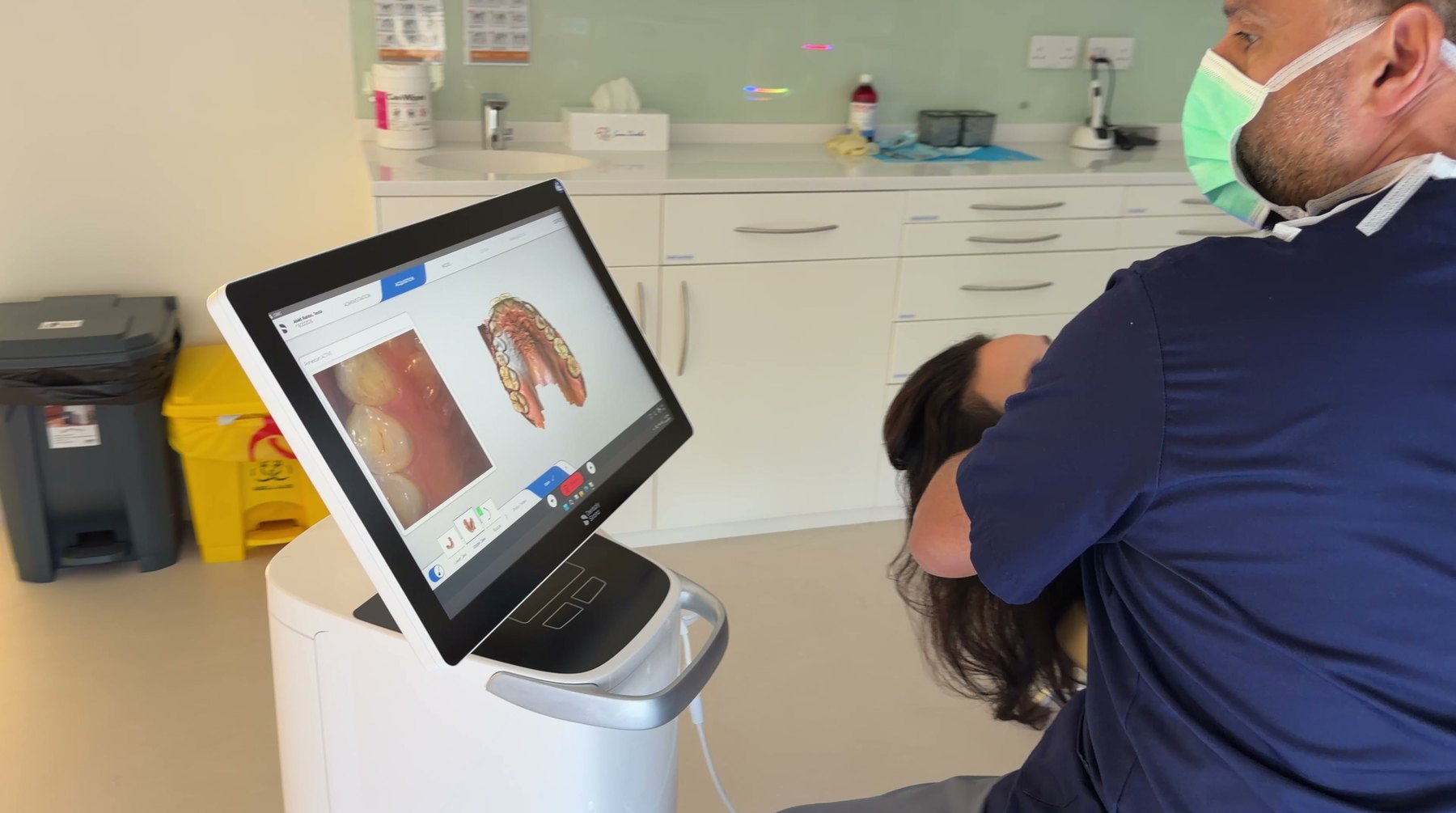
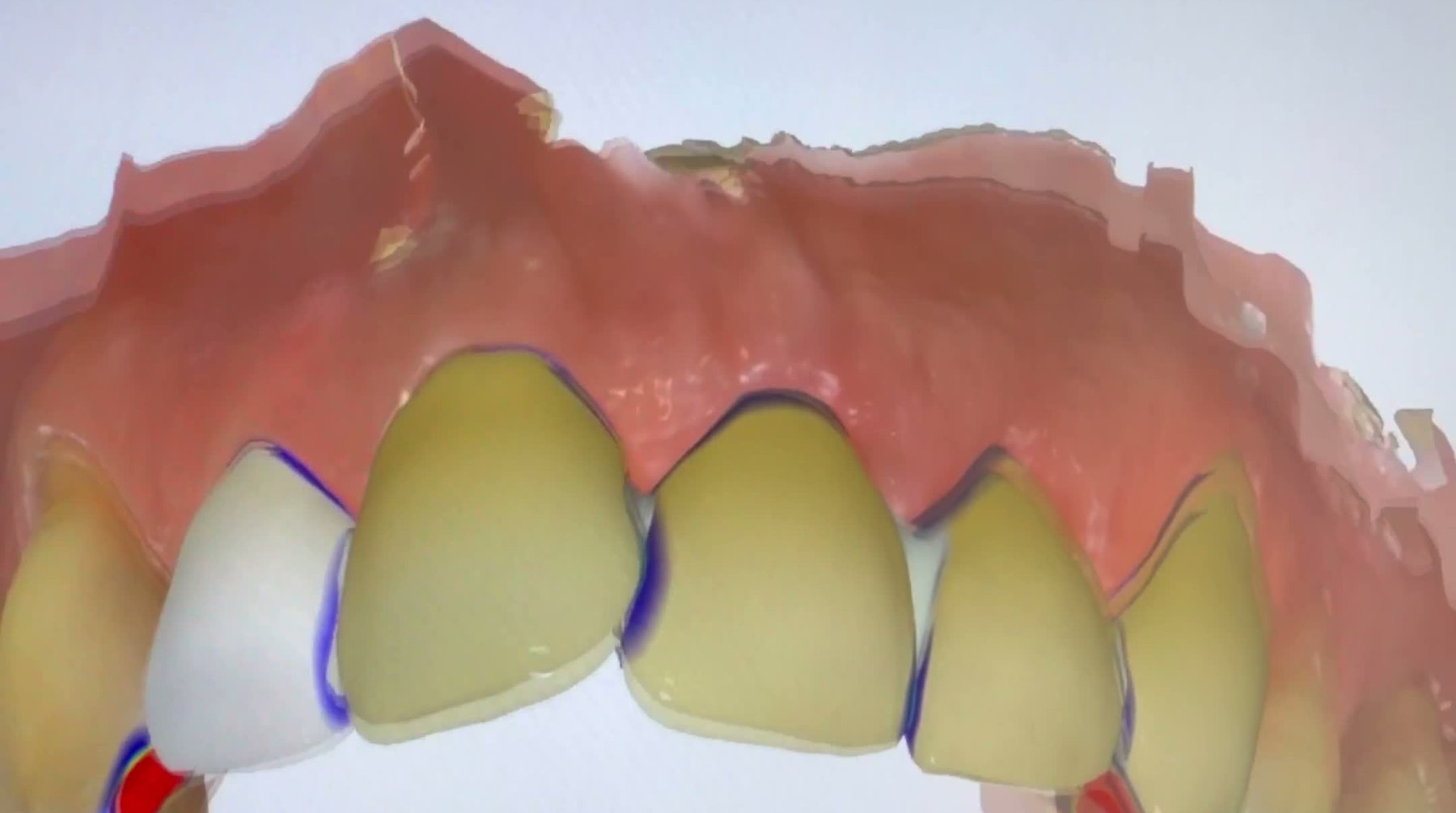
A smile is seen in a face, not on a model. Digital Smile Design starts with records of your face: portrait photographs, a short video of you speaking and laughing, and a facial scan in 3D without X-rays. Your teeth are scanned with the Primescan, and X-rays are taken where the health of roots and bone needs to be checked.
On these records, the new smile is designed in proportion to your face. The midline of the teeth is aligned with the midline of the face. The length of the front teeth is set by how much of them shows when your lips are relaxed and when you smile. The curve of the edges follows your lower lip. The width of the teeth and the gum line are balanced across the smile.
This is a conversation, not a presentation. You see the design on screen, next to your current smile, and say what you like and what you would change: longer, shorter, softer, more rounded, brighter or more natural. Then the design is adjusted. It is also the moment when Dr. Mohammad explains which treatment each tooth needs to reach the design, and which teeth can stay as they are.
A design on screen is helpful, but a smile is lived in. That is why the plan is transferred into a trial smile, often called a mockup. From the design, a model of the new teeth is made and a template is formed over it. With this template, a tooth coloured material is placed over your existing teeth, usually without any drilling.
You can look at the trial smile in the mirror and in daylight, speak and laugh with it, show it to your family and take photographs. Your dentist will explain whether the trial smile can stay in place after the appointment. This is when you find out whether the length feels right when you speak, whether the shape suits your face and whether the shade is too bright or not bright enough.
The trial smile also shows honestly how much each tooth needs to be changed. Where the new shape lies over your current teeth, veneers can be very thin or bonding is enough. Where a tooth stands too far forward, more tooth structure may need to be removed, and the alternatives are explained to you. You decide with this knowledge, and no irreversible preparation of your teeth starts until you have seen the proposed design, discussed its limits and agreed to the treatment plan. The trial smile is a preview of the design, so the final result can differ slightly.
Filmed in the clinic
Moments from German DentAllée in Jumeirah.
Real results
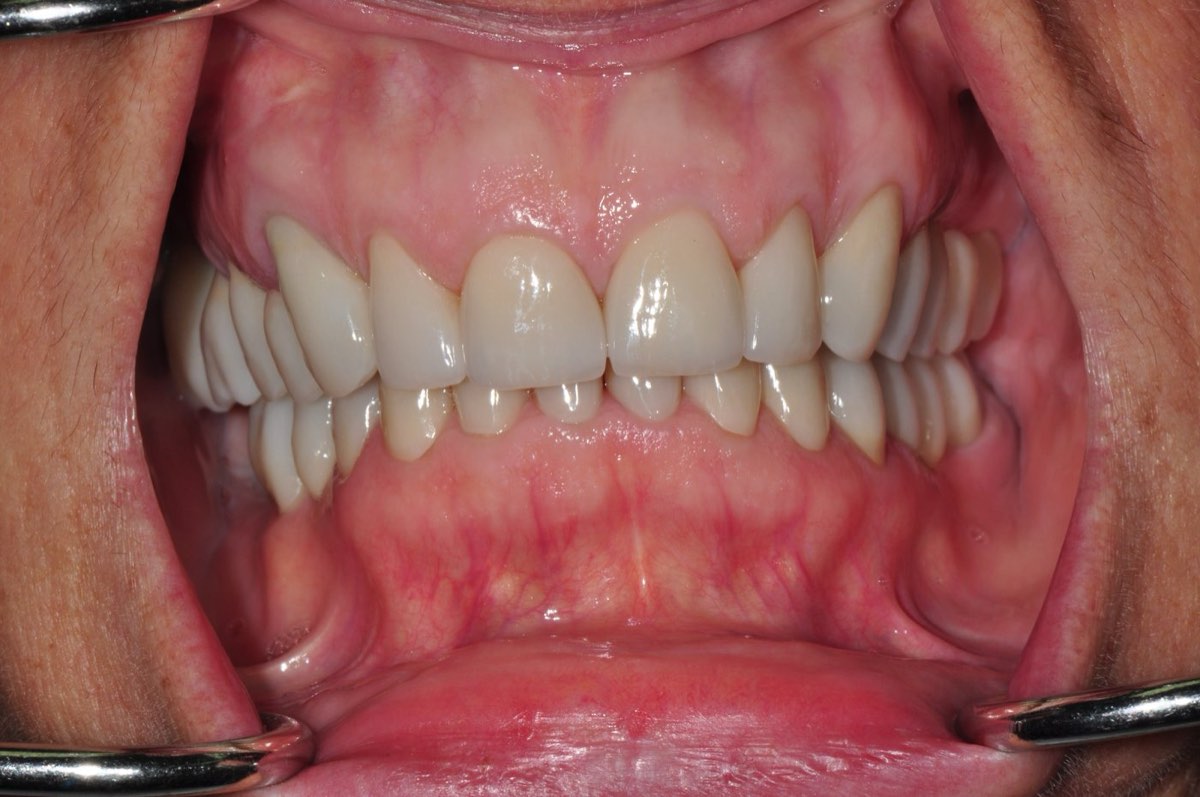
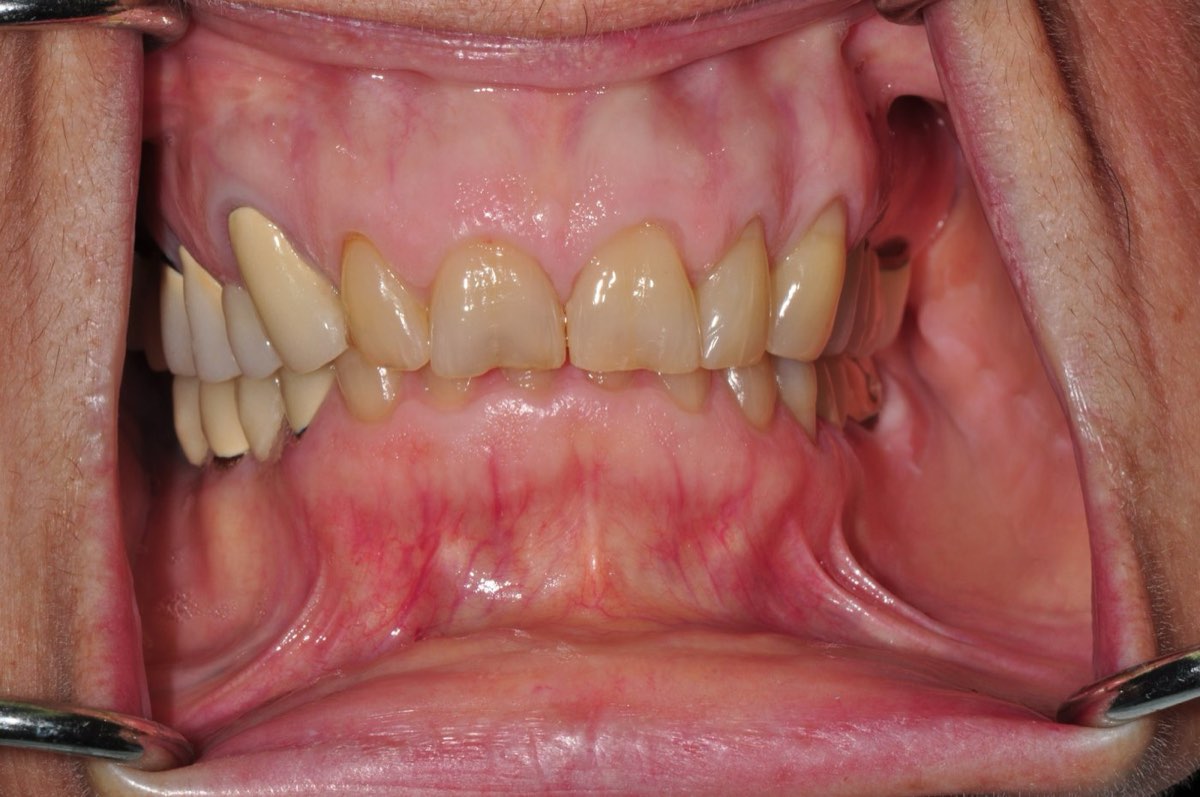
Real case · Dr. Mohammad
Treated by Dr. Mohammad in Germany. Shown with the written consent of the patient. Results can vary from one person to another.
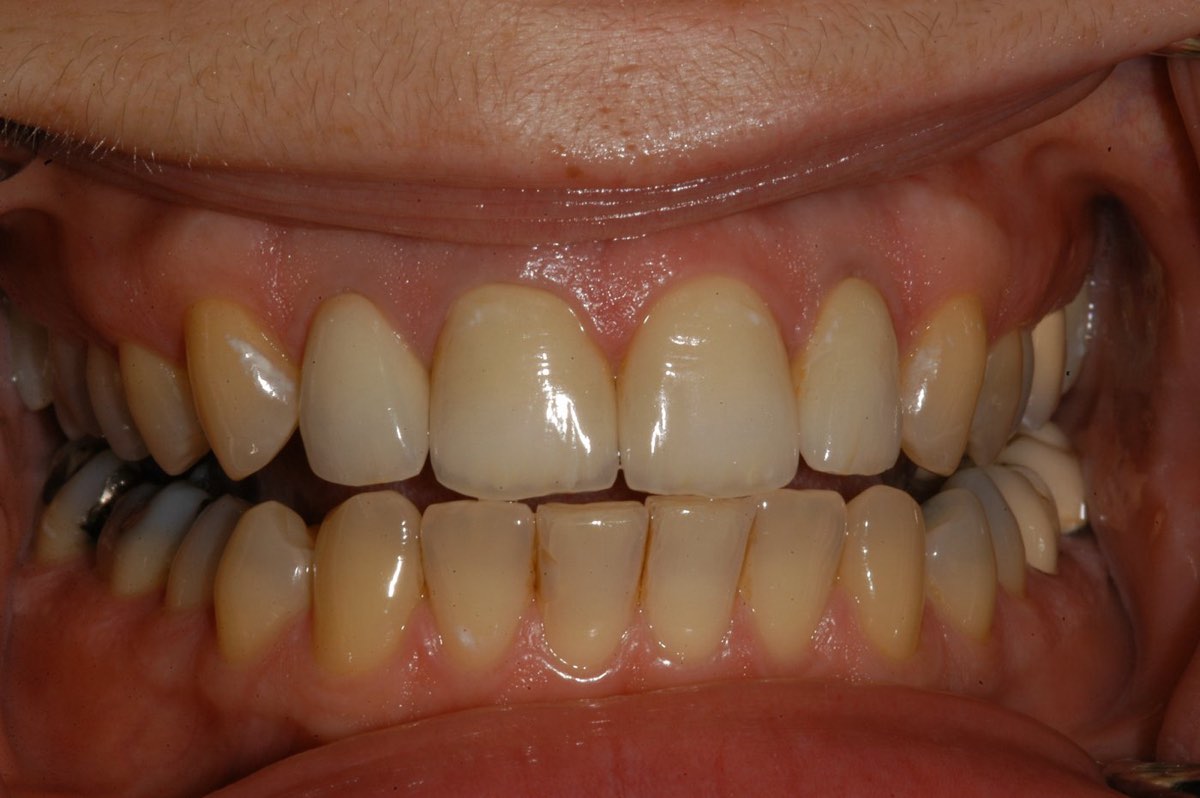
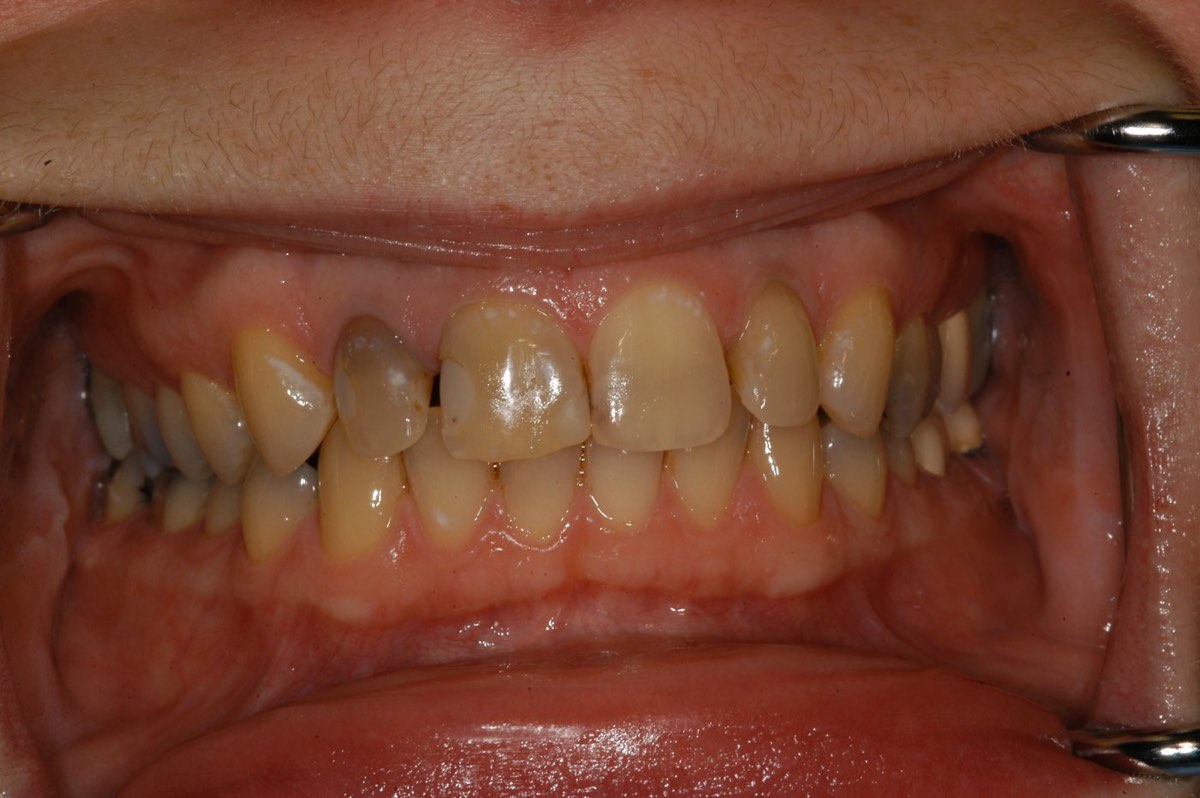
Real case · Dr. Mohammad
Treated by Dr. Mohammad in Germany. Shown with the written consent of the patient. Results can vary from one person to another.
A smile makeover is rarely done in one day. A typical plan runs over a few weeks, or over several months when aligners are part of it. The exact order is set in your written plan.
It usually begins with an examination and a cleaning, and with any treatment needed for health, such as fillings or gum care. If teeth need to move, aligners follow, often for a few months. Whitening comes next, once the teeth are in position, and the shade is allowed to settle for about two weeks.
Then the shape is created. Bonding is often done in one visit. Veneers need two to three visits: preparation guided by the trial smile, temporaries, and bonding of the final veneers made by our partner laboratory, Deutsche Technik DL in JLT, Dubai. Single crowns on side teeth can often be made the same day in the clinic with CEREC. Finally the bite is checked in every movement, and if you grind your teeth, a night guard is made to protect the new smile.
For patients who live abroad or travel often, the stages can be arranged around your stays in Dubai. We tell you at the planning visit how many visits are needed and how far apart they must be.
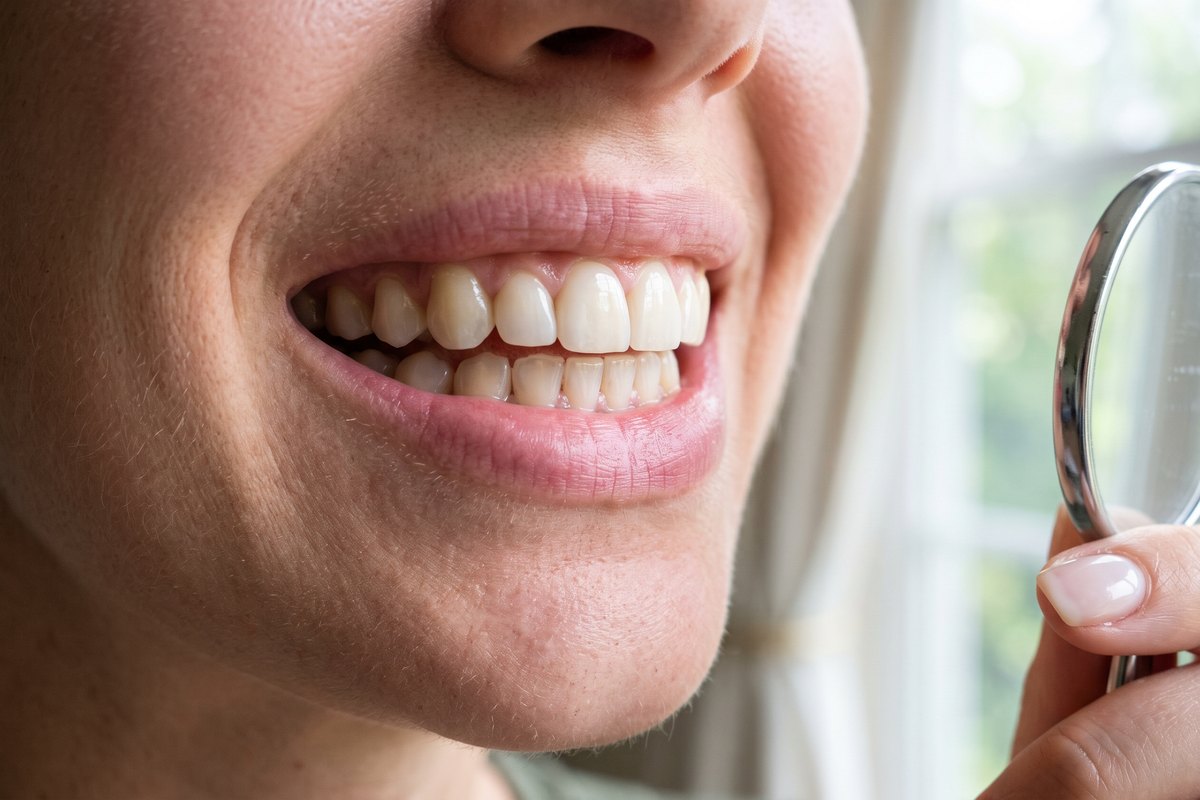
Smile styles differ, and there is no single right look. Some patients want a natural result that friends notice as “you look well” rather than “you had your teeth done”. Others prefer a brighter, more uniform smile. Both are possible. What matters is that the shade suits your skin tone and the whites of your eyes, and that the shape suits your face and age.
Very white, very flat and very uniform teeth often look artificial, especially in daylight and on camera. Natural teeth have slight differences between them, a little translucency at the edges and a soft surface texture. A good design keeps some of this character even when the smile is much brighter.
Many patients in Dubai ask for a “Hollywood smile”. This is a popular name rather than a treatment. It usually means veneers on the visible teeth with a bright shade. We are happy to design it with you, and we will also show you a more conservative alternative, so you choose with both in front of you.
Cosmetic work needs a healthy base. If gums bleed, if there is active decay or if teeth are loose, these are treated first, see gum therapy. If the bite has collapsed after years of wear or tooth loss, the plan becomes a full mouth rehabilitation, where function comes before appearance.
Heavy grinding is not a reason to avoid a makeover, but it changes the plan: the bite is assessed, materials are chosen with the load in mind and a night guard is part of the treatment. Some expectations cannot be met by dentistry, for example changes to the shape of the lips or the face. We will tell you clearly where the limits are.
And sometimes the honest answer is that less is better. If whitening and a small bonding give you the smile you want, that is the plan we recommend. Keeping your smile as it is, without cosmetic treatment, is always an option too.
Timeline
Conversation, examination, photos, video, Primescan and facial scan. X-rays where needed.
Digital Smile Design. You receive the design and a written plan with all steps and costs.
Trial smile in your mouth. Adjustments until you are happy.
Cleaning and any necessary treatment. Aligners if planned, often for a few months.
Whitening, then about two weeks for the shade to settle.
Bonding, veneers or crowns as planned, over two to three visits for veneers.
Bite check, night guard if needed, photos, and a care plan.
Technology
Your teeth scanned in 3D, and the new smile designed on screen.
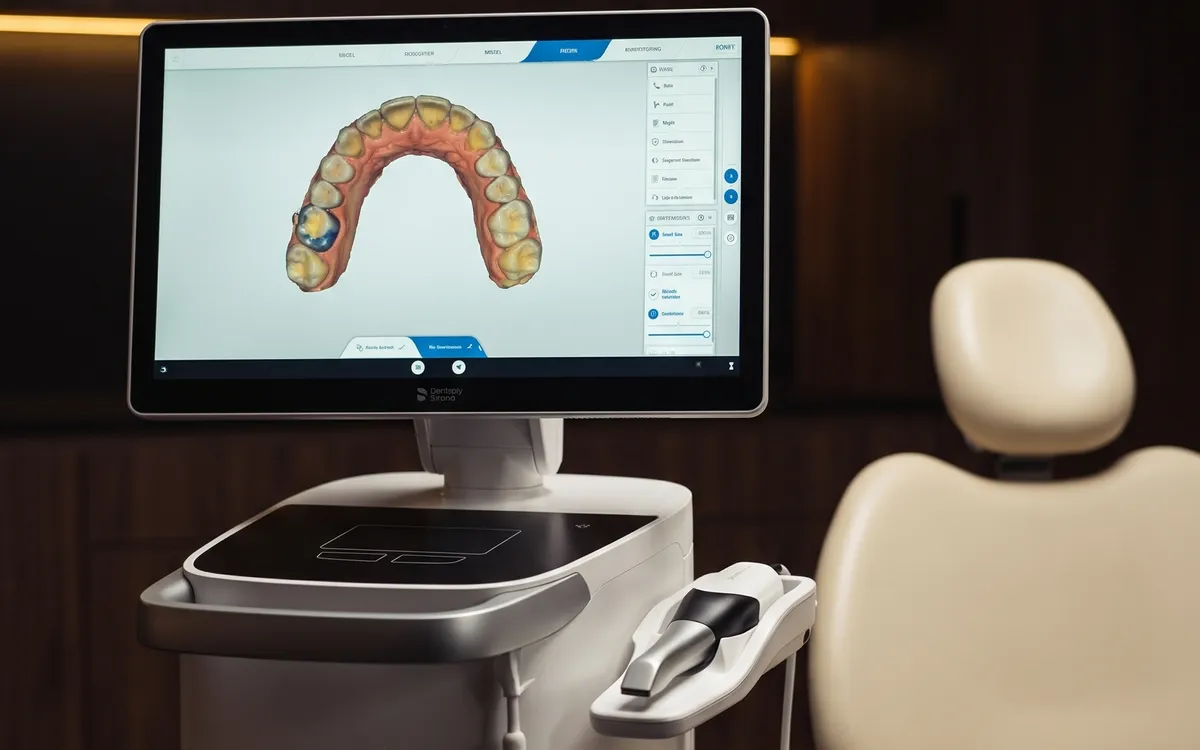
Digital impression instead of paste, the basis for every design.
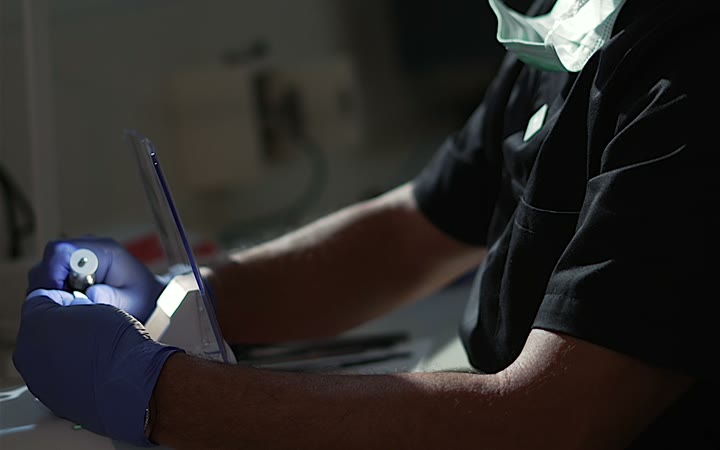
Veneers and larger work by Deutsche Technik DL in JLT, finished by hand.
Myth or fact
MythA smile makeover means veneers on every tooth.
FactA makeover can be whitening, a few bonded edges and a small number of veneers. Some need no veneers at all.
MythThe result is a surprise on the last day.
FactYou see the design on screen and as a trial smile in your mouth before anything is changed.
MythWhiter is always better.
FactA shade that suits your skin tone and eyes looks more natural, especially in daylight.
MythCosmetic dentistry ignores health.
FactA healthy base comes first. Cosmetic work on inflamed gums or a stressed bite does not last.
More answers
Tap a question to open the answer. Anything else, ask us on WhatsApp.
Each treatment in a smile makeover is well established. The risks are those of the individual steps and vary with the treatments involved. Careful assessment, planning and a healthy start help manage them.
A smile makeover combines these tools. Each one solves a different problem.
| What it changes | Tooth preparation | Visits | |
|---|---|---|---|
| Whitening | Colour of natural teeth | None | One in clinic, or trays at home |
| Clear aligners | Position of teeth | Small attachments, sometimes slight enamel polishing between teeth | Over several months |
| Composite bonding | Small changes of shape, chips, gaps | Usually none | Usually one |
| Porcelain veneers | Shape, length and colour | None to a thin layer of enamel | Usually two to three |
| Ceramic crowns | Broken or heavily filled teeth | The tooth is shaped on all sides | One with CEREC, more for lab crowns |
| Gum contouring | Uneven or high gum line | Gum, not tooth | Usually one |
It depends on which treatments are combined and how many teeth are involved. After the consultation and design you receive a written plan with all steps and costs before anything starts. The first consultation is charged and credited towards your treatment if you go ahead.
From a few weeks for whitening, bonding and veneers, to several months when aligners come first. Your plan shows the time frame.
A way to plan your new smile on photos, video and a 3D facial scan, in proportion to your face. You see the design on screen before treatment.
Yes. The design is transferred to your teeth as a trial smile, usually without drilling. You decide after seeing it in your own mouth.
Most steps need little or no anaesthetic. Preparation for veneers or crowns is done under local anaesthetic to manage discomfort. You may feel pressure, and if you feel pain, tell us so the anaesthesia can be adjusted. Nitrous oxide is available for anxious patients.
That is the aim of the design. Shade, translucency and shape are matched to your face, and you decide on the trial smile in daylight.
Not always. Whitening, aligners and bonding are sometimes enough. Dr. Mohammad will show you the most conservative option alongside others.
A Hollywood smile usually means bright veneers on the visible teeth. A smile makeover is the planning approach behind any change, from subtle to bright.
Yes. Many patients start with whitening or aligners and continue later. The design helps coordinate the treatment stages.
Often yes. We plan the visits around your stays and tell you how many visits are needed and how far apart.
The bite is assessed, materials are chosen with the load in mind, and a night guard is made to protect the new smile.
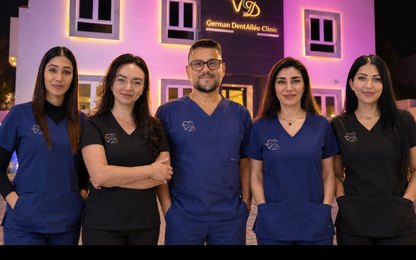
You need someone who plans the whole smile, with gums, bite and teeth included. At German DentAllée this is Dr. Mohammad Shaker, DHA Specialist Prosthodontist, together with our team.
Cosmetic treatment is usually not covered. We do not bill insurers directly, but you receive all documents to claim any covered parts. Payment is possible by cash, card, transfer, Tabby or Tamara.
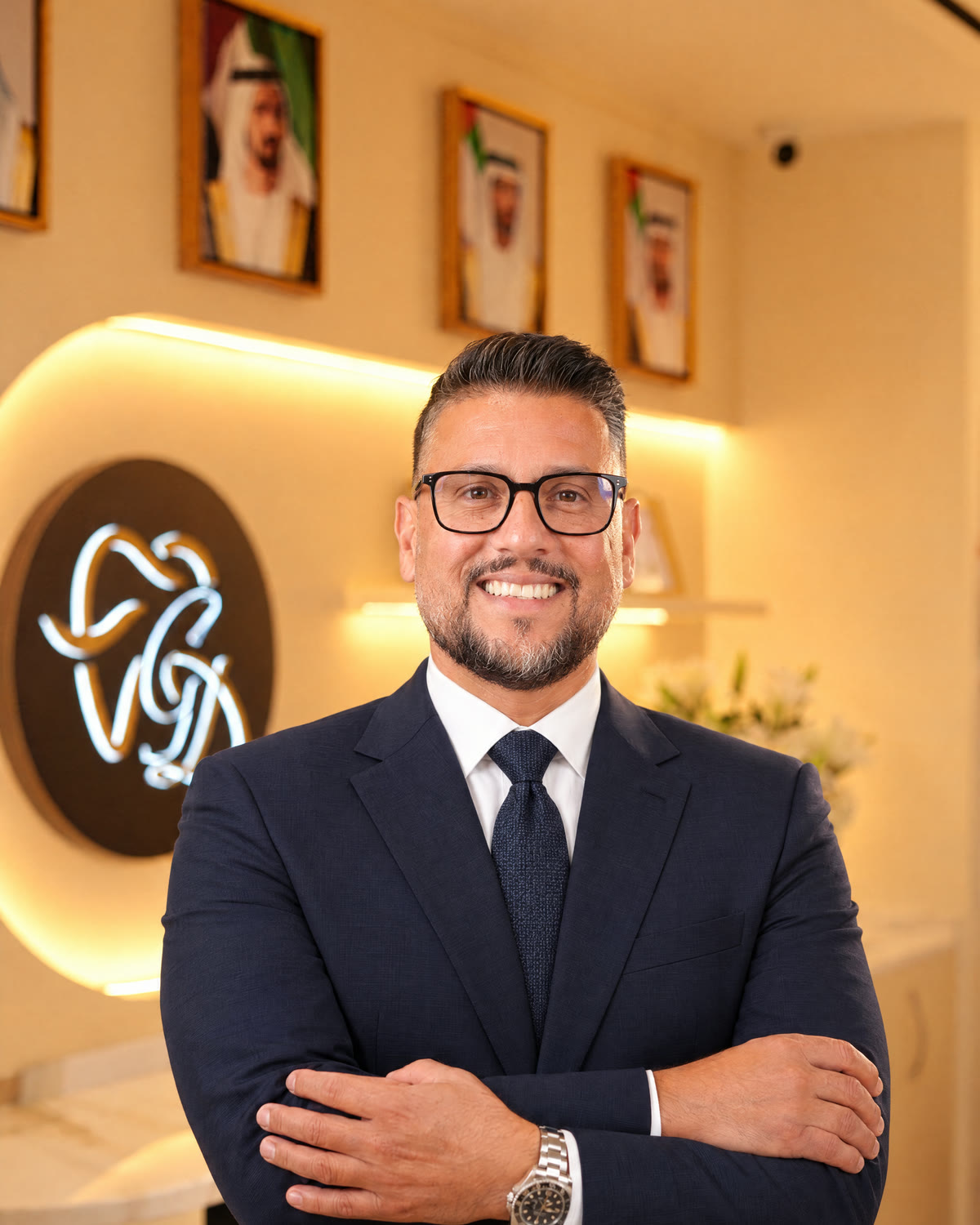
Why with Dr. Mohammad Shaker
A smile makeover is prosthodontics with an aesthetic goal. Dr. Mohammad, DHA Specialist Prosthodontist and certified expert of the German Society for Prosthodontics, plans the bite, the gums and the load on each tooth together with the look, because a smile has to work for many years, not only on the day it is finished.
Dr. med. dent. · M.Sc. Prosthodontics · DHA Specialist Prosthodontist · Specialist Senior Dentistry (GER 🇩🇪)
Meet Dr. Mohammad ShakerAlso at the clinic
You are welcome
One message is enough. No forms, no call centre. You write, the clinic answers in Arabic, English or German.
Villa 21B, La Mer · Jumeirah 1 · Dubai
Sat to Thu 9:00 to 18:00 · Fri closed