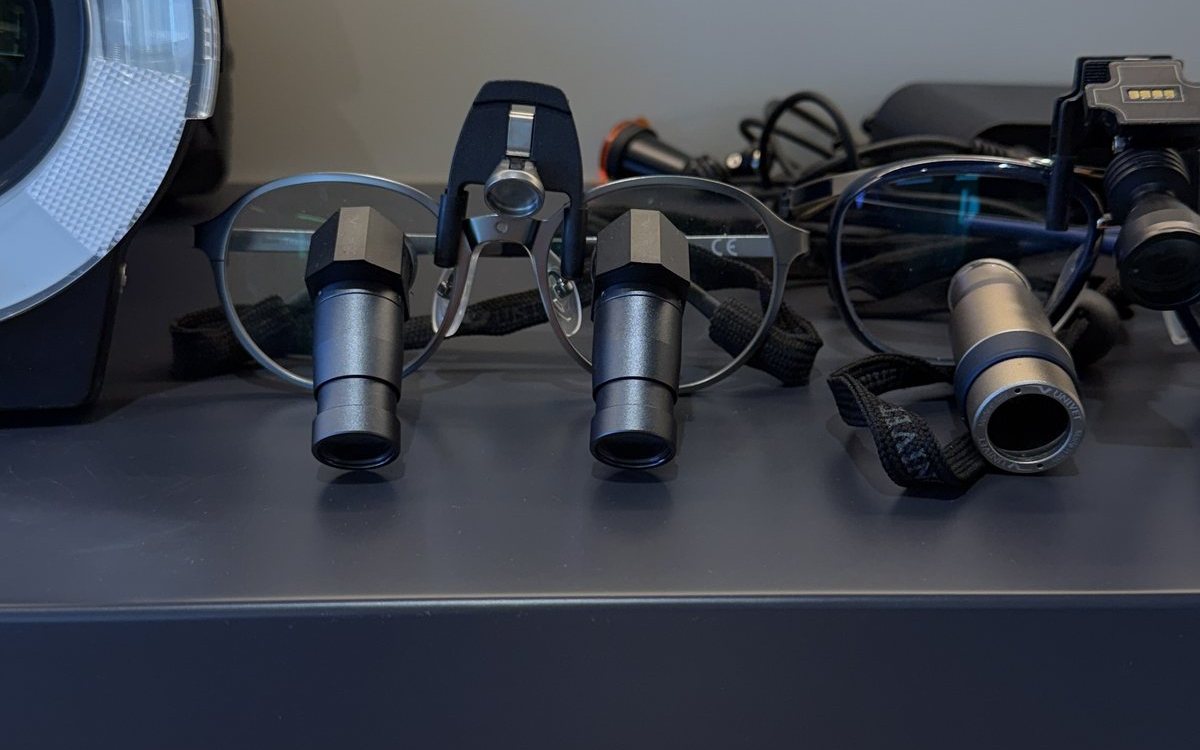
Magnification loupes
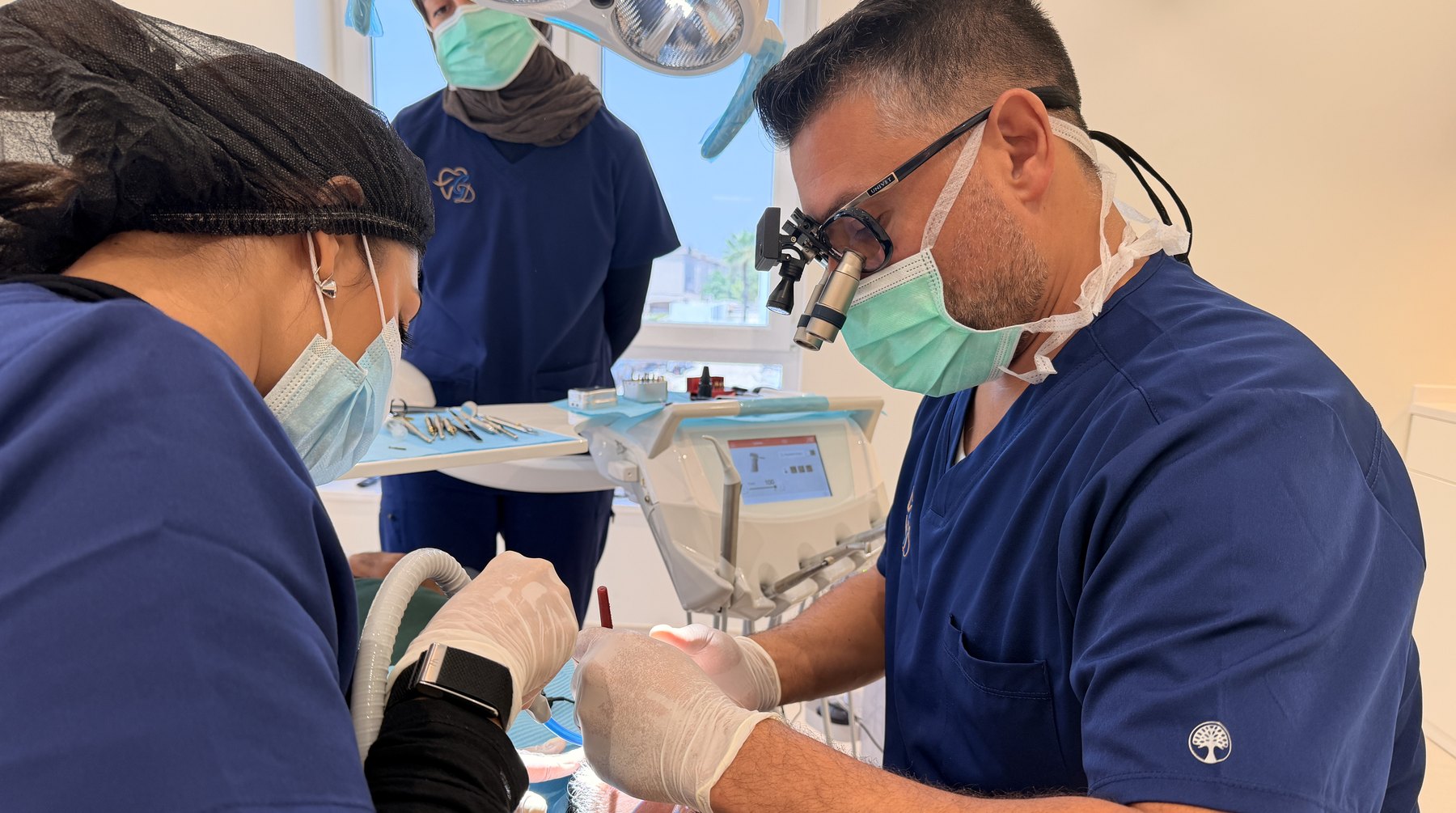
Canals treated under magnification.


Endodontics
A careful root canal treatment can help to save an inflamed tooth. We work with modern diagnostics and suitable cleaning techniques, and then plan the right restoration.
 With Dr. Mohammad Shaker.
Patient guide
A root canal treatment removes the inflamed or dead nerve tissue from inside a tooth, cleans and disinfects the canals in its roots and seals them, so you can keep the tooth instead of losing it. Local anaesthetic helps control discomfort during treatment, and the throbbing pain of an inflamed nerve usually eases once the nerve is removed.
Inside every tooth there is a soft core of nerves and blood vessels called the pulp. Deep decay, a crack, a large old filling or an accident can let bacteria reach it. The pulp becomes inflamed. Mild inflammation can sometimes settle, but if the pulp cannot recover and nothing is done, it can die and an infection can spread to the bone at the root tip. Antibiotics alone cannot clean the inside of a tooth, which is why the canals have to be treated mechanically.
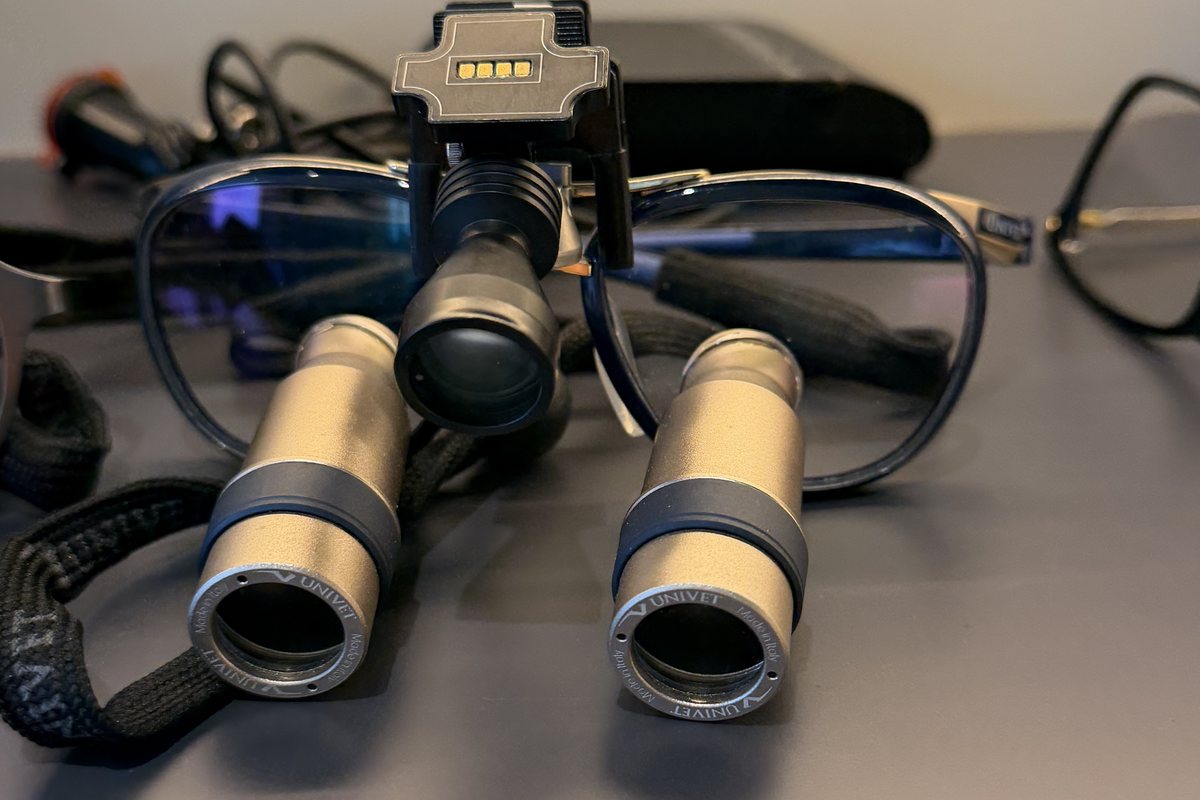
At German DentAllée in Jumeirah 1, root canals are one of Dr. Mohammad Shaker’s favourite treatments, and he does them himself, under magnification loupes and with machine driven instruments. As a DHA Specialist Prosthodontist he always thinks one step further: how will this tooth be restored afterwards, and will it last? A root canal is only worth doing if the tooth can be rebuilt well, and you hear that honestly before treatment starts.
Is this for you?
Step by step
Examination and X-ray, and a 3D scan only when these do not give enough information. You hear whether the tooth can be saved.
Local anaesthetic helps control discomfort, and more can be given if needed.
The canals are found under magnification, measured electronically and shaped with machine driven files.
The canals are disinfected and sealed to reduce the risk of reinfection.
The final restoration depends on how much tooth is left: a filling, a core build up, an onlay or a crown, where suitable a same-day CEREC crown.
That depends on what your teeth need, so a price without an examination would not be honest. After the examination you receive a written treatment plan with all costs, before anything starts. Payment and insurance
What changes the cost
The tooth can be tender for a few days, and some cases need more than one visit. Not every root canal succeeds, and sometimes a treated tooth still has to be removed later.
Your next step
Or call 800 433 368 (toll free) · Sat to Thu 9:00 to 18:00 · Fri closed
Some signs point clearly to the nerve, others are subtle. A tooth can even be infected without any pain at all, and the problem is then found on an X-ray at a routine check. Typical warning signs are listed below. None of them proves that a root canal is needed, but each one is a reason to have the tooth examined soon.
Pain that suddenly stops is not always good news. Sometimes it means the nerve has died, and the infection can continue quietly at the root tip. If you had strong pain that disappeared by itself, it is still worth an X-ray.
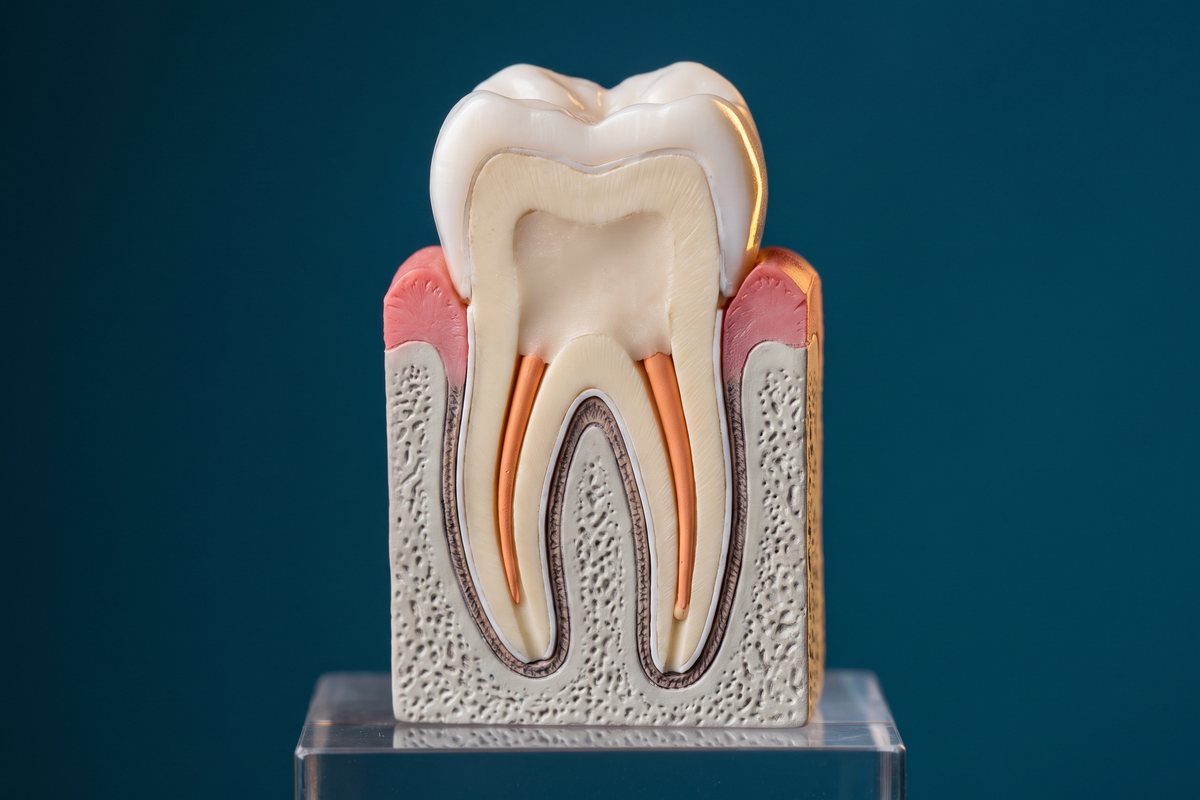
Every step is explained before it happens. Most treatments are completed in one or two appointments, depending on the tooth and how much infection there is.
The tooth is tested and an X-ray is taken. When the examination and normal X-rays do not give enough information, for example in molars with curved or extra canals, or after a failed previous treatment, a 3D cone beam scan of a small area on the MyRay Hyperion X9 Pro can show the roots in detail. You hear whether the tooth can be saved and what the alternatives are.
The tooth is numbed with local anaesthetic. The Wand delivers it slowly and evenly, which can help reduce discomfort during the injection. Nitrous oxide is available if you are anxious.
In root canal treatment, the standard is to isolate the tooth with a dental dam, a thin sheet that keeps saliva out and prevents small instruments or rinsing solutions from being swallowed. A small opening is then made through the chewing surface. Magnification loupes help to identify the canals, including narrow ones that are easy to miss, although some narrow or complex canals can remain difficult to locate.
The length of each canal is measured electronically with an apex locator. Machine driven files on an endodontic motor shape the canals, while disinfecting rinses help remove tissue remnants and reduce bacteria inside the canals.
When the canals are clean and dry, they are filled and sealed tightly to reduce the risk of reinfection. If there is a strong infection, a medicine is placed inside the tooth first and the canals are sealed at a second visit.
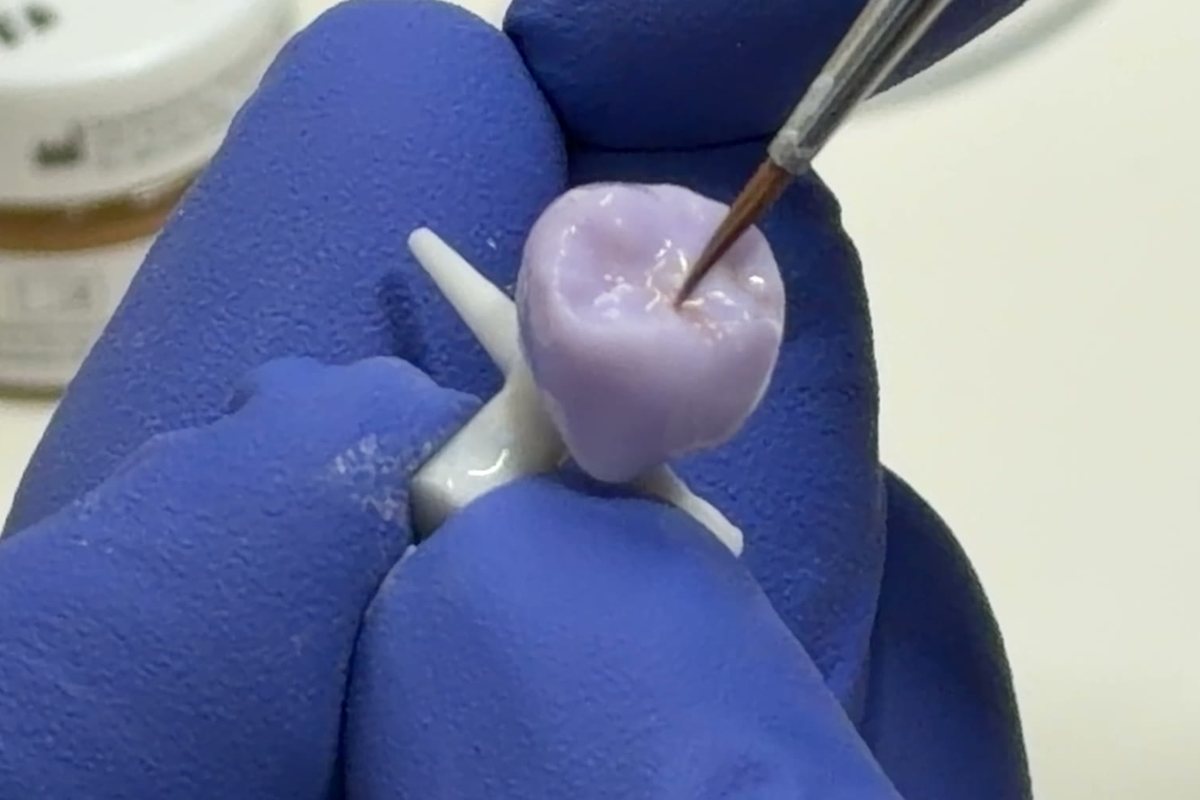
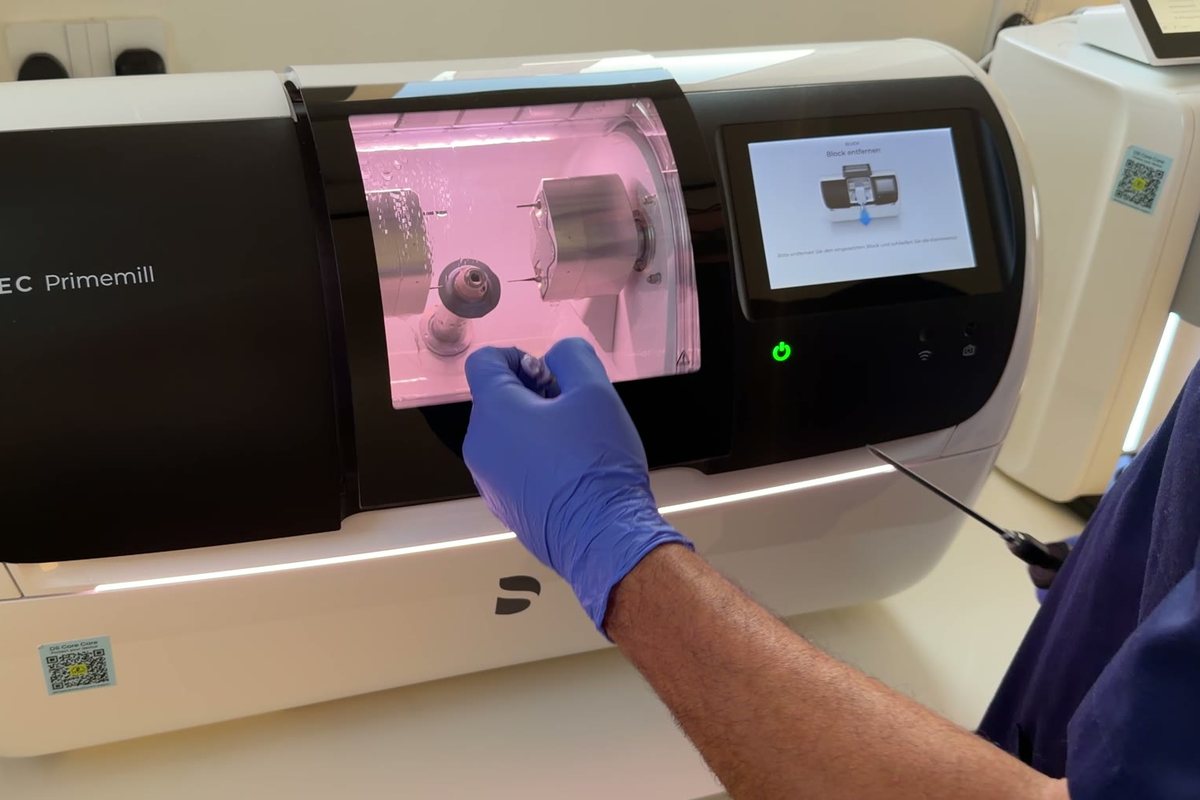
The final restoration depends on how much tooth is left. The tooth is closed with a filling or a core build up and, where needed, protected with a crown. A post is only used when it is needed to hold the core in place. Where suitable, the crown can be a same-day CEREC crown made in the clinic.
This is the question patients ask first, and the honest answer is reassuring for most people. The reputation of root canals comes largely from the pain of the inflamed tooth before treatment, not from the treatment itself.
Once the tooth is numb, you usually feel pressure and vibration. A very inflamed tooth can be harder to numb, and if you feel anything during the treatment you simply raise your hand and more anaesthetic is given. Nobody continues while you are in pain.
After the treatment, the tooth and the area around it can be tender for a few days, especially when you bite. This can be related to the tissue around the root tip recovering. Usual pain relief from the pharmacy is often enough, and you get clear advice on what to take. If the pain gets stronger after a few days, or a swelling appears, call the clinic.
For anxious patients, nitrous oxide and computer controlled anaesthesia can make treatment easier. You stay awake and can communicate at any time. See relaxed treatment for anxious patients.
Many patients wonder whether it would be simpler to remove the tooth and place an implant. Implants are a very good option when a tooth cannot be saved. When your own tooth can be restored well and the chances of success are reasonable, keeping it is often a good choice.
If the nerve is still alive and only mildly inflamed, some teeth may be suitable for vital pulp therapy instead, where the pulp is covered with a protective material or only part of it is removed. Whether this is possible can only be decided after the examination.
A natural tooth keeps its own root, its own connection to the bone and the fine feeling of pressure when you chew. Removing it means surgery, a healing period, often bone grafting and then an implant and a crown. A root canal with a crown usually takes less time and fewer appointments.
There are cases where saving the tooth is not sensible. A root that is cracked vertically, a tooth with too little structure left to hold a crown, decay far below the bone, or severe bone loss from gum disease can make the prognosis poor. Then Dr. Mohammad tells you so, and the alternatives, from an implant to a bridge, are explained with their pros and cons.
Our approach is not to save every tooth at any cost, but to choose the solution that will serve you well over many years.
After a root canal treatment the tooth no longer has a living nerve, but it still has a living connection to the bone and can stay in the mouth for many years. What changes is its structure. The access opening, the original decay and often an old filling have removed a large part of the tooth. The risk of fracture depends mainly on how much tooth structure has been lost and on the restoration the tooth receives.
Molars and premolars carry most of the chewing force. Without protection, a root treated back tooth has a higher risk of a cusp breaking off, sometimes down to the root, which can mean the tooth is lost after all. A crown or an onlay that covers the cusps helps protect the tooth.
Front teeth carry less load and, if enough tooth structure is left, often only need a tooth coloured filling. If a front tooth turns darker after the treatment, it can be whitened from the inside, see whitening.
Because the clinic makes crowns on site, the protection can often follow quickly, sometimes in the same appointment as the final filling of the canals. That reduces the time in which the tooth is vulnerable.
Most root canal treatments are successful, but not all. Years later a tooth can become painful again, a swelling can appear or a shadow is seen at the root tip on the X-ray. The cause can be a canal that was not found the first time, a seal that leaked, new decay or a crack.
Such teeth can often still be saved. There are two main options.
The old filling material is removed from the canals, the canals are cleaned and shaped again and sealed anew. Where X-rays do not give enough information, a 3D scan can help to find the reason the first treatment failed, for example a missed canal.
When re-treatment is not possible, for example because of a post that cannot be removed, the root tip can be treated surgically. The tip is removed through the gum, the infected tissue cleaned out and the end of the root sealed.
If the root is cracked or too little tooth is left, extraction and replacement with an implant or a bridge is discussed honestly, with the time plan and costs for each option.
In children the approach is different. In selected milk teeth where the nerve is inflamed but still alive, a pulpotomy can be considered after diagnosis: only the inflamed part of the pulp is removed and the rest is kept. If the nerve has died or the inflammation is too advanced, a different treatment is needed. Keeping a milk tooth until it falls out naturally helps keep space for the adult tooth.
In young permanent teeth whose roots are not fully formed yet, for example after an accident, the treatment depends on whether the pulp is still alive. If it is, vital pulp therapy aims to keep it alive so the root can keep developing. If the pulp has died, apexification creates a barrier at the open root tip, and in selected cases regenerative treatment may allow further root development. These treatments need careful follow up over months.
Dental accidents in children get priority, and we try to see them the same day. If a permanent tooth is knocked out, hold it by the crown, do not let it dry out, keep it in milk and come straight away. A knocked out milk tooth should not be put back in. If the clinic is closed, go to a hospital emergency department. See our emergency dentist page for first aid.
Children are treated calmly and at their pace. Please discuss your child’s support needs with us before treatment. Every step is explained in simple words, and nitrous oxide helps anxious children relax. Nothing is forced, and if a child needs a break, the treatment is paused.
Timeline
Examination, X-ray and pain relief. Often the inflamed nerve is removed in the first visit.
Canals cleaned and shaped. Sealed straight away or filled with a medicine for a second visit.
Tenderness when biting is normal and fades. Pain relief from the pharmacy is usually enough.
Canals sealed if a second visit was planned, and the tooth closed with a build up.
A crown or onlay protects back teeth, where suitable made the same day with CEREC.
An X-ray at a check up shows how the bone around the root tip has healed.
Technology
Canals treated under magnification.
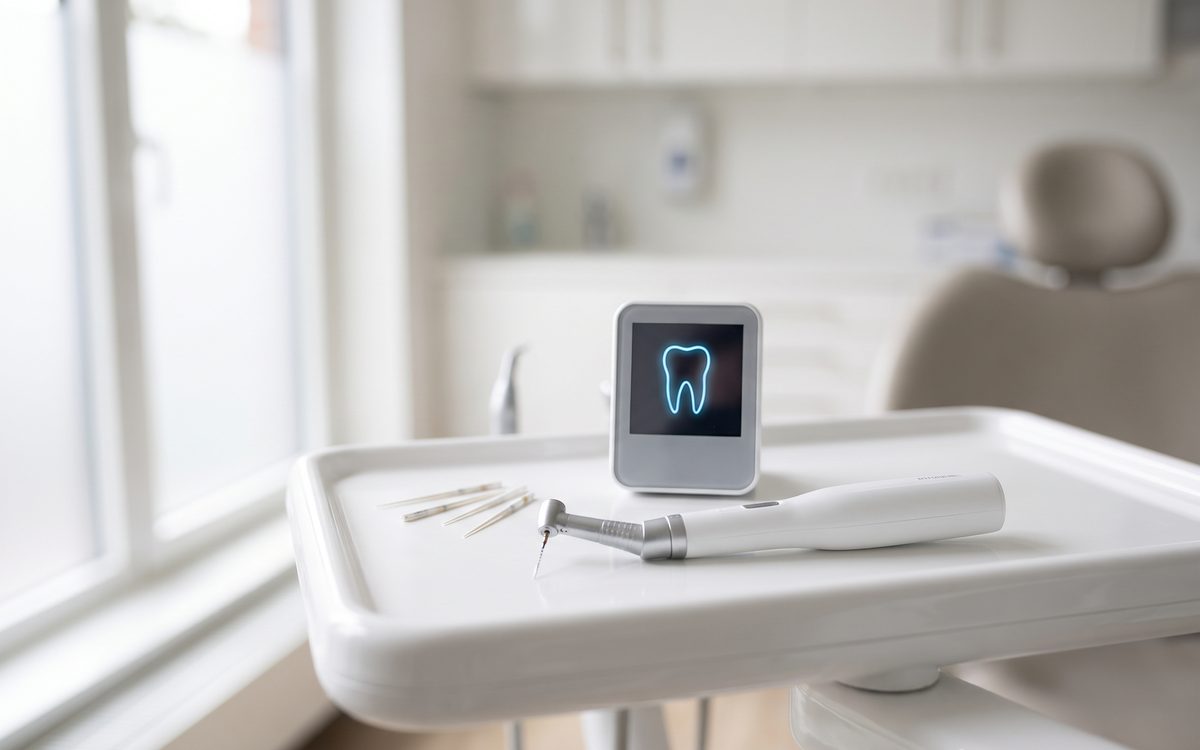
Machine driven files and electronic length measurement.
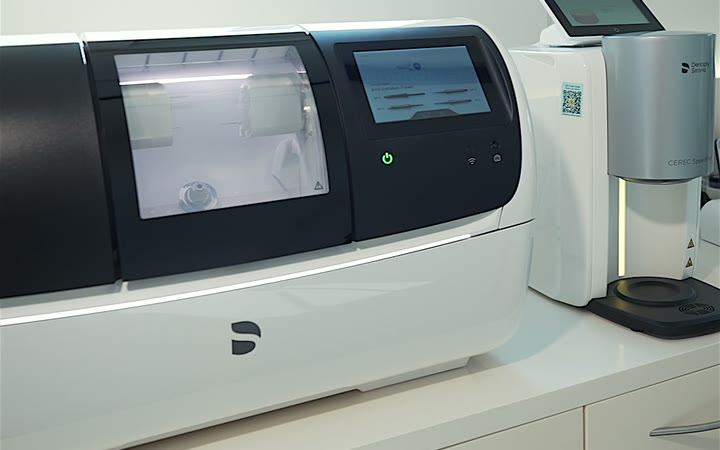
Where suitable, the treated tooth can be protected with a CEREC crown in one visit.
Myth or fact
MythA root canal is very painful.
FactLocal anaesthetic helps control discomfort during treatment. The strong pain usually comes from the inflamed nerve before treatment.
MythIt is better to pull the tooth.
FactWhen a tooth can be restored well, keeping it is often a good long term option. Extraction is discussed when saving is not sensible.
MythAfter a root canal the tooth is dead and will fall out.
FactThe tooth loses its nerve but stays anchored in the bone. With a good restoration it can stay for many years.
MythAntibiotics can replace a root canal.
FactAntibiotics can help in some acute infections, but they cannot clean the inside of the tooth. The source of the infection has to be treated.
More answers
Tap a question to open the answer. Anything else, ask us on WhatsApp.
Root canal treatment has a high success rate in general dental literature, but no treatment works in every case, and it is fair to know the possible problems.
Both can work very well. When the tooth can be restored well, keeping it is often the first option to consider. The examination shows what is realistic for your tooth.
| Root canal and crown | Extraction and implant | |
|---|---|---|
| Your own root | Kept | Replaced by a titanium implant |
| Surgery | No surgery | Needed, sometimes with bone grafting |
| Typical time | One to two visits for the canals, then the crown | Several months including healing |
| Feeling when chewing | Natural, the tooth keeps its ligament | Stable, but without the ligament of a natural root, so pressure feels different |
| When it is not suitable | Cracked root, too little tooth left, severe bone loss | Uncontrolled health conditions, too little bone without grafting |
Local anaesthetic helps control discomfort, and more can be given if needed. The pain usually eases once the inflamed nerve is removed. Tenderness for a few days afterwards is normal.
Usually one or two. A strong infection often needs a medicine inside the tooth and a second visit to seal the canals.
That depends on the tooth. Molars with several canals take longer than front teeth, and you are told the time when the appointment is booked.
Keeping your own tooth can be a good option when it can be restored well and the chances of success are reasonable. We tell you honestly if it cannot be saved.
Back teeth usually do, because they carry most of the chewing force and have often lost much tooth structure. Front teeth often only need a filling.
Often yes, where the tooth is suitable. The clinic makes ceramic crowns on site with CEREC, so the tooth can be protected quickly, sometimes in the same appointment as the final filling of the canals.
Yes. Re-treatment of old root canals is part of what we do. Where X-rays do not give enough information, a 3D scan can help to find the cause.
Then the tooth can often still be saved, either by redoing the root canal or with a small surgical procedure at the root tip (apicoectomy).
Usually yes, once the numbness wears off.
Yes. Call us the same day. If you have fever, difficulty swallowing or breathing, go to a hospital emergency room.
Urgent cases get priority, and we try to see patients in pain the same day, Saturday to Thursday from 9:00 to 18:00. Call 800 433 368 or write on WhatsApp.
Old blood products or materials inside the tooth can darken it. Internal whitening can often lighten a single dark tooth.
Yes. Endodontics is the field of dentistry that treats the inside of the tooth, mainly root canals and re-treatment. At German DentAllée root canals are carried out by Dr. Mohammad Shaker.
It depends on the tooth, the number of canals and the restoration afterwards. After the examination you receive a written plan with all costs. The first consultation is charged and credited to your treatment if you go ahead.
That depends on your policy, its limits and exclusions, and whether prior approval is needed. Check the cover for the root canal and for the crown or filling afterwards separately. We do not bill insurers directly, you receive all documents to claim from your insurer.

Why with Dr. Mohammad Shaker
Root canals are one of Dr. Mohammad’s favourite treatments, and he does them himself. As a prosthodontist he always thinks one step further: how will this tooth be restored, and will it last?
Dr. med. dent. · M.Sc. Prosthodontics · DHA Specialist Prosthodontist · Specialist Senior Dentistry (GER 🇩🇪)
Meet Dr. Mohammad ShakerAlso at the clinic
You are welcome
One message is enough. No forms, no call centre. You write, the clinic answers in Arabic, English or German.
Villa 21B, La Mer · Jumeirah 1 · Dubai
Sat to Thu 9:00 to 18:00 · Fri closed