Composite
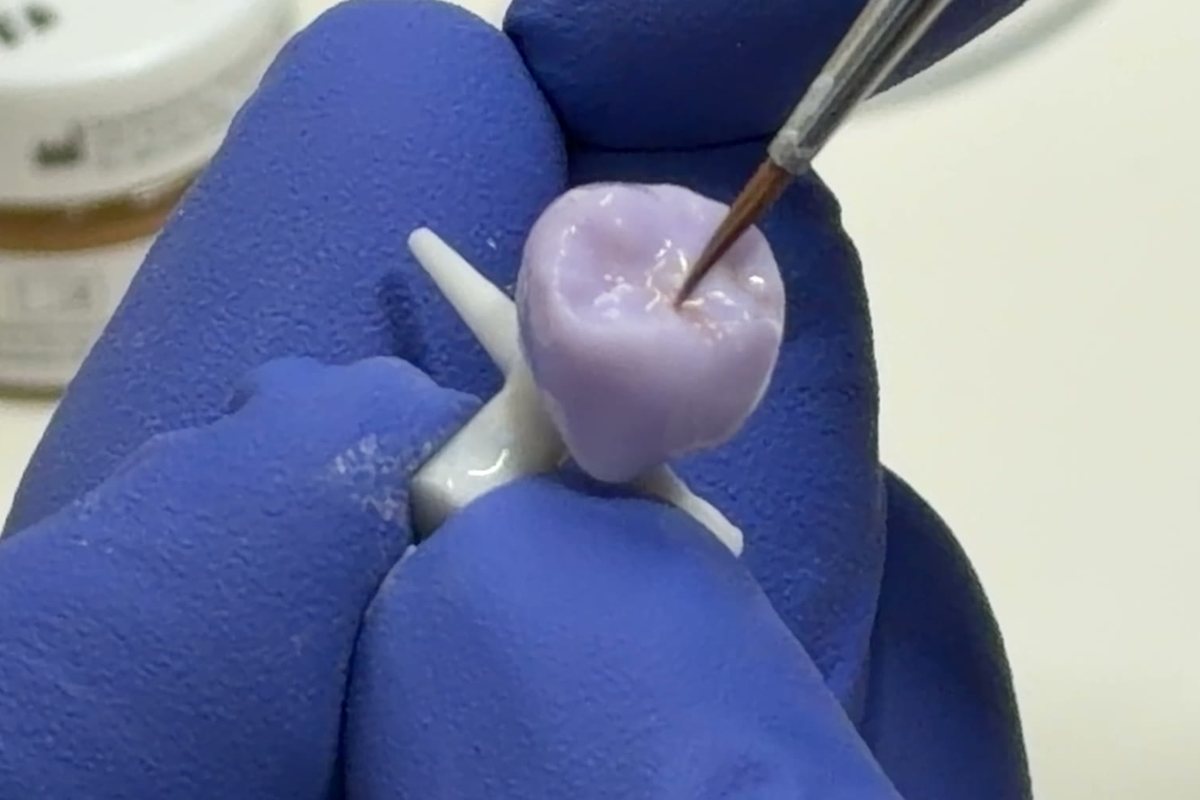
Tooth coloured filling material, layered in shades.


Restorative dentistry
We restore damaged teeth with tooth coloured fillings and precise ceramic inlays and onlays. Our aim is to keep as much healthy tooth structure as possible.
 With Dr. Mohammad Shaker.
Patient guide
A small cavity is usually repaired with a tooth coloured composite filling in one short visit. A larger cavity, or a tooth with a big old filling, is often better served by a ceramic inlay or onlay, which at German DentAllée is usually scanned, milled and bonded in the clinic on the same day.
Both are metal free and match the colour of your tooth. The difference is size and strength: composite is shaped directly in the tooth and is ideal for small and medium defects, while ceramic is made in one solid piece and can support a weakened tooth better when a large part of it is missing.
Dr. Mohammad Shaker follows one rule with every patient: tooth structure is precious, and we keep as much of it as we can. That means a filling where a filling is enough, an inlay or onlay where the tooth needs more support, and a crown only where a crown is really needed. You hear the reason for every choice before the tooth is treated.
Is this for you?
Step by step
The tooth is examined and, if needed, an X-ray is taken.
Composite for small cavities, ceramic for larger ones. You hear why.
As much healthy tooth structure as possible is kept. How much is removed depends on the decay and the restoration.
Composite is layered and hardened. Ceramic is scanned, milled and bonded, for suitable teeth often in the same visit.
The bite is adjusted and the surface polished.
That depends on what your teeth need, so a price without an examination would not be honest. After the examination you receive a written treatment plan with all costs, before anything starts. Payment and insurance
What changes the cost
A tooth can be sensitive to cold or biting for a few days after a filling. With deep decay the nerve may react, and then further treatment can be needed.
Your next step
Or call 800 433 368 (toll free) · Sat to Thu 9:00 to 18:00 · Fri closed
Tooth decay often starts without pain. In the early stage minerals are lost from the enamel, sometimes visible as a white spot, before a hole forms, and you cannot feel it. Pain usually only appears when the decay has reached the inner layer of the tooth, the dentine, or comes close to the nerve. That is why small cavities are often found at a routine dental check-up or on a bitewing X-ray, long before you notice them.
Some signs are worth booking an appointment for. They do not always mean decay, but they should be looked at. The earlier a cavity is treated, the smaller the filling and the more of your tooth stays.
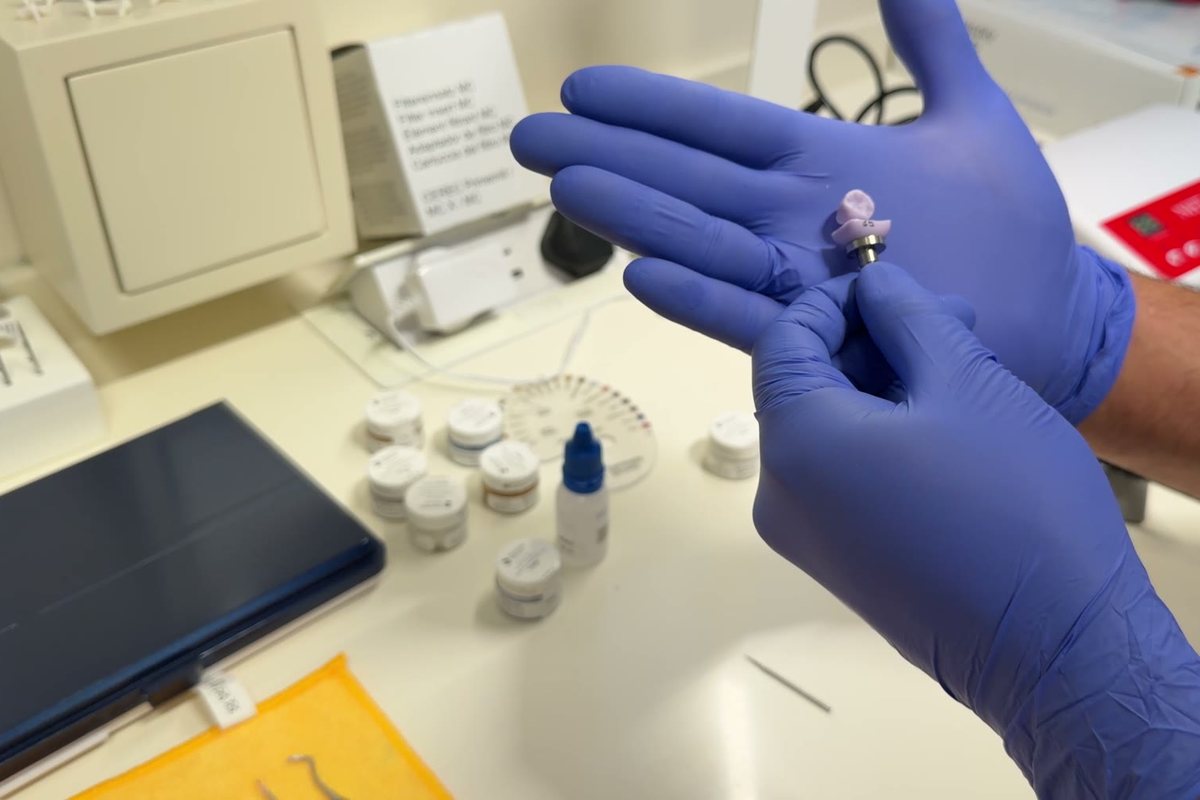
Composite is a tooth coloured filling material made of resin and fine glass particles. It bonds to the tooth, which means the cavity does not need to be cut into a special shape to hold the filling. We keep as much healthy tooth structure as possible. How much is removed depends on the depth of the decay.
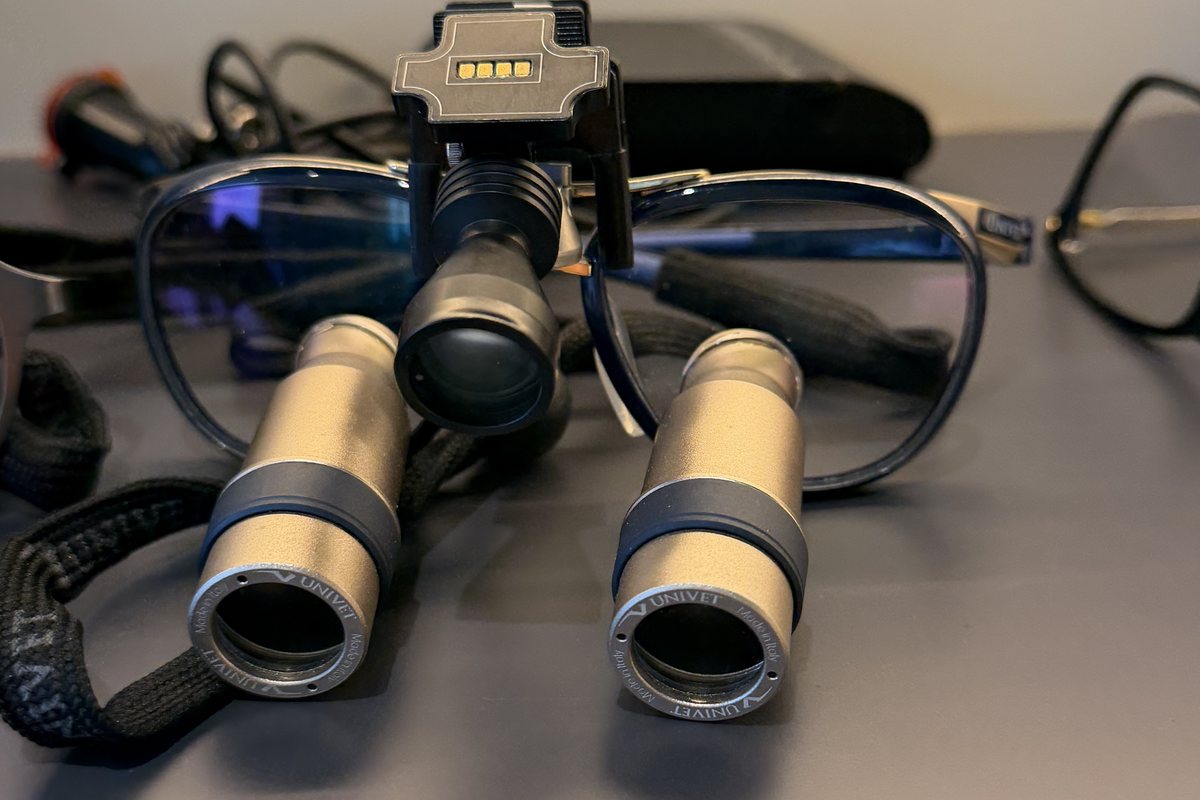
The filling is built up in thin layers, each one hardened with a blue light. The shade is chosen with the VITA shade guide, so the filling blends into your tooth. At the end the shape of the chewing surface is modelled, the bite is checked and the surface is polished smooth.
For most adults, composite is the standard filling for small and medium cavities in front and back teeth. It is also used to repair chipped edges and small fractures, and in suitable cases a broken piece of a front tooth can even be bonded back on. For changing the shape or closing gaps of front teeth, see composite bonding.
Glass ionomer is used where it fits better, for example at the gum line, on tooth necks or in children, because it releases fluoride and tolerates a slightly moist area. For very large defects in back teeth composite has limits. When much of the tooth is missing, a filling can shrink slightly while hardening, wear faster and leak at the edges over time. Then ceramic is often the better choice.
An inlay sits inside the tooth like a precisely fitted puzzle piece. An onlay also covers one or more cusps. A partial crown covers most of the chewing surface but still leaves healthy tooth walls in place. All three are a middle way between a filling and a full crown, and they often preserve much more of your own tooth than a crown.
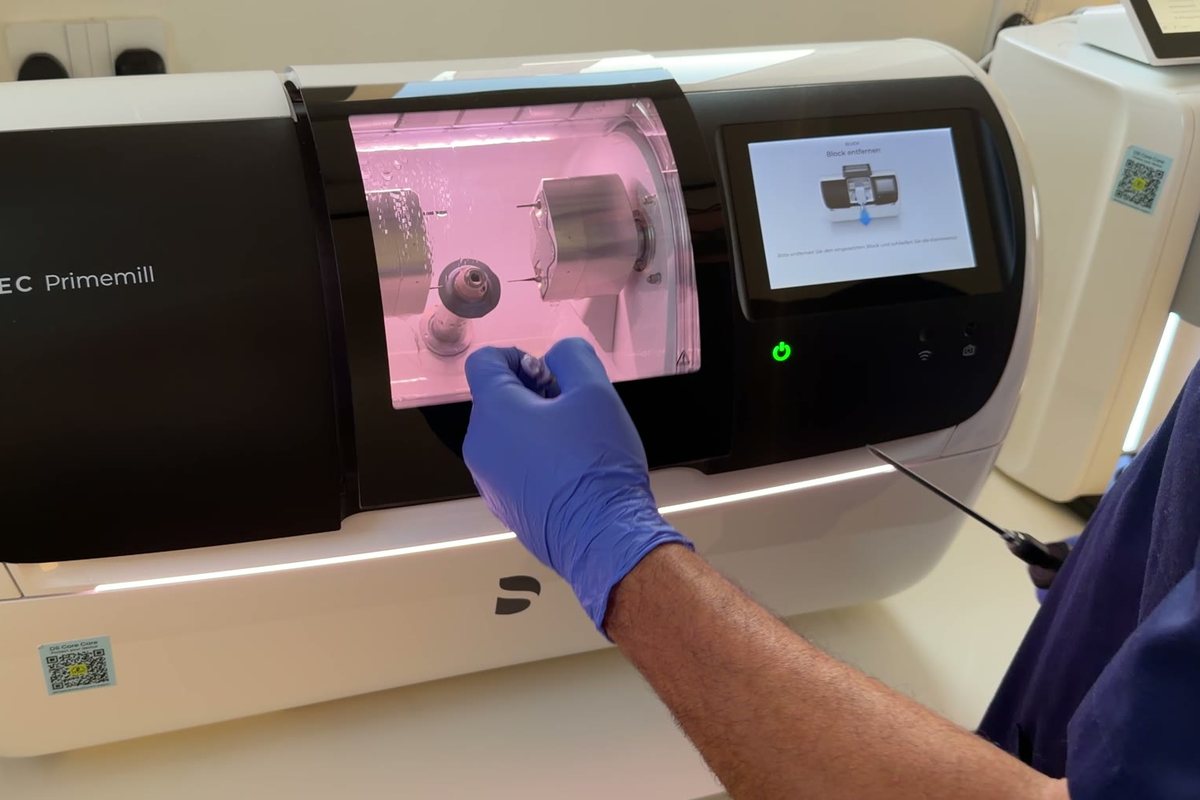
At German DentAllée these restorations are made with CEREC, in one visit. The tooth is prepared under local anaesthetic, scanned with the Primescan, the inlay is designed on screen against your bite, milled from a solid ceramic block in the Primemill and glazed in the SpeedFire furnace. Then it is bonded to the tooth. In suitable cases this means no impression paste, no temporary and no second appointment. Some teeth need an additional visit, and you hear this beforehand.
Ceramic does not shrink while it is bonded, it is very hard wearing and it keeps its colour. Because it is bonded to the tooth, it also stabilises the remaining tooth walls. That is why a ceramic onlay is often the right choice for a back tooth with a large old filling or a cusp that has cracked.
The same process is used for full same-day crowns when the tooth needs more coverage. Which restoration fits your tooth is decided at the examination.
German DentAllée does not place amalgam. Patients with existing amalgam fillings often ask whether they should be replaced.
An intact amalgam filling that causes no problems does not have to be removed for health reasons alone, and the honest answer depends on the filling. Replacement makes sense when the filling is broken, leaking at the edges, has decay underneath, has caused cracks in the tooth, or when you want a tooth coloured result. Large amalgam fillings are often surrounded by fine cracks in the tooth, which a ceramic onlay can protect.
Replacing an intact filling also has downsides: some healthy tooth structure can be lost, and drilling out amalgam briefly releases mercury vapour. That is why benefits and risks are weighed for each filling before a replacement for looks alone. Old amalgam is removed carefully with water cooling and strong suction, in a way that keeps the amount of drilled material as small as possible. The cavity is then checked for decay and cracks and restored with composite or ceramic, depending on its size.
If you have many old amalgam fillings, they do not need to be replaced all at once. Dr. Mohammad sets an order based on which teeth are at risk, so the plan fits your time and budget.
Filmed in the clinic
For suitable teeth, often in one visit.
Not every problem needs drilling. Some early or surface problems are treated in gentler ways, which fits the idea of keeping as much tooth as possible. Which approach suits you depends on how deep the problem goes, and that is checked first.
A very early lesion that has not broken through the enamel can often be stopped with fluoride, better cleaning and regular checks. Between teeth, resin infiltration, a thin resin that flows into the porous enamel, can help stop it without drilling.
White marks on the enamel, for example after braces, can often be treated with resin infiltration (Icon) or microabrasion, without a filling. See also whitening, because whitening alone can make white spots stand out more.
Exposed tooth necks can be sealed, treated with fluoride or a desensitising agent, or covered with a small filling when there is a notch at the gum line. The cause, often gum recession or brushing too hard, is checked as well.
Fissure sealing protects the grooves of new molars, and small cavities in milk teeth can be filled gently. Nitrous oxide is available for anxious children.
How long the appointment takes depends on the tooth, the restoration and the number of teeth. A same-day ceramic inlay or onlay takes longer than a filling, because the tooth is scanned, the restoration is designed, milled and fired, and then it is bonded while you wait. When you book, we tell you how long to expect.
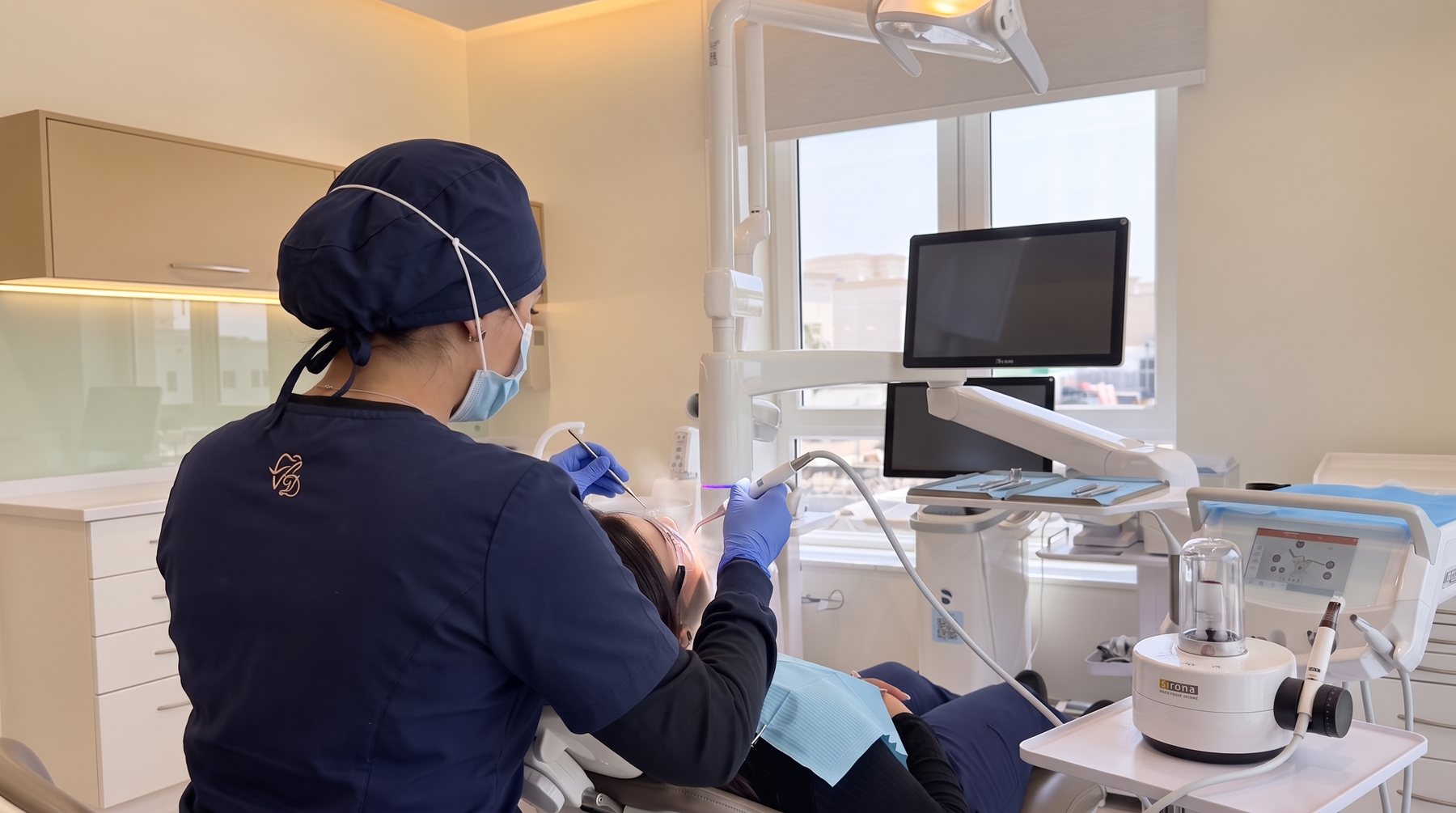
The tooth is numbed with local anaesthetic. If you are nervous about injections, the Wand delivers the anaesthetic slowly and evenly, and nitrous oxide is available for anxious patients. You usually feel pressure and vibration rather than pain.
After the decay is removed, the cavity is checked again. If the decay is deeper than it looked on the X-ray and reaches close to the nerve, a protective lining or pulp cap can be placed. You are told straight away if this changes the plan.
At the end the bite is checked with thin coloured paper and adjusted until it feels even. A filling that is slightly too high is one of the most common reasons for discomfort afterwards, so this check is never skipped. Then the surface is polished, so it feels smooth to your tongue. Afterwards you can usually go back to work and daily activities. If nitrous oxide was used, you receive separate advice before you leave.
There is no fixed lifespan for a filling. Composite fillings and ceramic inlays can both last for many years, but size, position in the mouth, your bite and how well the edges are cleaned make the biggest difference. Results can vary from person to person.
Composite tends to wear a little over time, and its edges can discolour or decay again if plaque stays there. Ceramic is more resistant to wear and staining, but like any ceramic it can chip if it is overloaded, for example by grinding or biting on very hard objects. Grinders are often advised to wear a custom night guard.
Regular check ups and cleanings with our hygienist, Afra Alblooshi, are the simplest way to protect your fillings. Small problems at an edge can often be repaired before the whole filling needs replacing.
Your own habits matter just as much. Sugary drinks sipped over the day, frequent snacking and acidic drinks such as soft drinks or sports drinks keep the teeth under constant attack, and the edges of fillings are where new decay usually begins. Fluoride toothpaste, cleaning between the teeth every day and water between meals make a real difference.
Technology
Tooth coloured filling material, layered in shades.
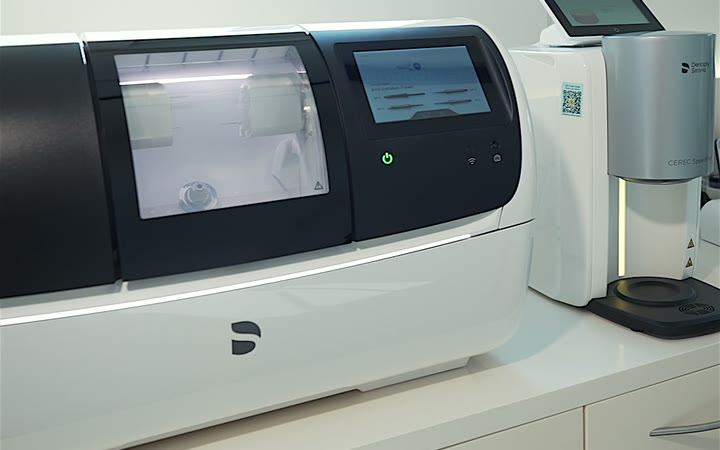
Ceramic inlays and onlays milled in the clinic.
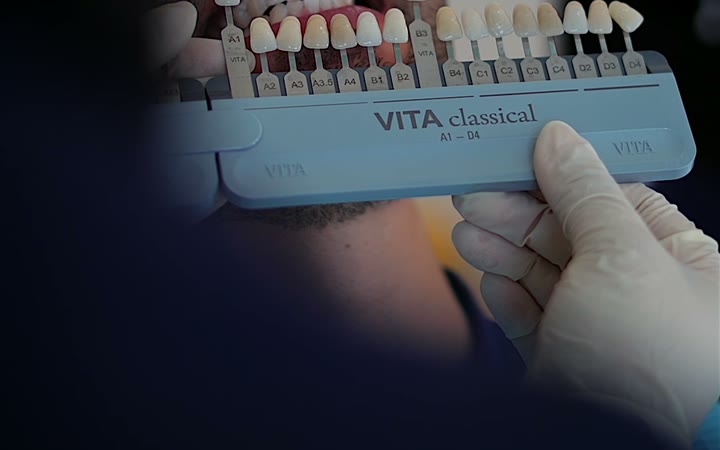
The shade matched to your tooth.
Myth or fact
MythIf it does not hurt, there is no cavity.
FactDecay usually causes no pain in the early stages. Check ups and X-rays find it while it is still small.
MythWhite fillings are weaker than amalgam.
FactModern composites are strong for small and medium fillings, and for large defects a ceramic inlay or onlay can support the tooth better than a large filling.
MythAll old amalgam fillings must come out right away.
FactIntact amalgam that causes no problems does not have to be removed for health reasons alone. Broken, leaking or decayed fillings are replaced.
MythA filling lasts forever.
FactFillings are repairs, and they age. Regular checks allow small repairs before a larger problem appears.
More answers
Tap a question to open the answer. Anything else, ask us on WhatsApp.
Fillings are among the most common treatments in dentistry and complications are uncommon. Still, it helps to know what can happen.
The size of the defect decides. The aim is always the smallest treatment that still protects the tooth for years.
| Composite filling | Ceramic inlay or onlay | Crown | |
|---|---|---|---|
| Suited to | Small and medium cavities | Large cavities, broken cusps, old large fillings | Very weak, root treated or heavily broken teeth |
| Tooth removed | Least | Little to moderate | Most |
| Visits | One | One, milled with CEREC | One with CEREC, or several from the lab |
| Strength in large defects | Limited, may wear or crack | Can support weakened tooth walls | Covers the whole tooth, for heavily damaged teeth |
| Colour stability | Good, can stain over years | Very good | Very good |
| Repair | Easy to repair or add to | Depends on the fracture, often replaced | Repair or replacement depends on the material, size and position of the fracture |
No. We place tooth coloured fillings and can replace old amalgam fillings carefully when they are broken, leaking or you want a white result.
For small cavities a composite filling. For large ones, or a tooth with a broken cusp, a ceramic inlay or onlay can often protect the tooth better. It depends on how much tooth is left and on your bite.
In suitable cases, yes. Ceramic inlays and onlays are scanned and milled in the clinic, usually in one visit. Some teeth need an additional appointment.
The tooth is numbed with a local anaesthetic, so most patients feel pressure and vibration rather than pain. The Wand and nitrous oxide are available for anxious patients.
It depends on the tooth, the restoration and the number of teeth. A same-day inlay or onlay takes longer because it is milled while you wait. When you book, we tell you how long to expect.
Yes, once the numbness has gone. Composite and bonded ceramic are fully hard when you leave the clinic.
After deeper fillings mild sensitivity to cold is common and usually fades within days or a few weeks. If it gets stronger or lingers, or the bite feels high, come in for a check.
Only if there is a reason, such as a broken or leaking filling, decay underneath, cracks in the tooth or the wish for a white result. You hear an honest assessment for each filling.
Composite for most fillings, glass ionomer where it fits better, for example at the gum line or in children, and ceramic for large cavities.
Sealing, fluoride, a desensitising agent or a small filling at the neck, depending on the cause.
Often yes, with composite in one visit. Sometimes the broken piece can be bonded back on if you bring it with you.
Yes, gently and with nitrous oxide for anxious children if needed. Fissure sealing helps prevent cavities in new molars.
It depends on the size of the cavity and the material. After the examination you receive a written plan with all costs. The first consultation is charged and credited towards your treatment. We do not bill insurers directly: you pay at the clinic and receive the documents for your claim. Whether and how much is reimbursed depends on your policy, its limits and exclusions, so check your cover and any pre approval before treatment.

Why with Dr. Mohammad Shaker
Dr. Mohammad’s rule for every new patient: tooth structure is precious, and we keep as much of it as we can. A filling where a filling is enough, ceramic where the tooth needs more support.
Dr. med. dent. · M.Sc. Prosthodontics · DHA Specialist Prosthodontist · Specialist Senior Dentistry (GER 🇩🇪)
Meet Dr. Mohammad ShakerAlso at the clinic
You are welcome
One message is enough. No forms, no call centre. You write, the clinic answers in Arabic, English or German.
Villa 21B, La Mer · Jumeirah 1 · Dubai
Sat to Thu 9:00 to 18:00 · Fri closed