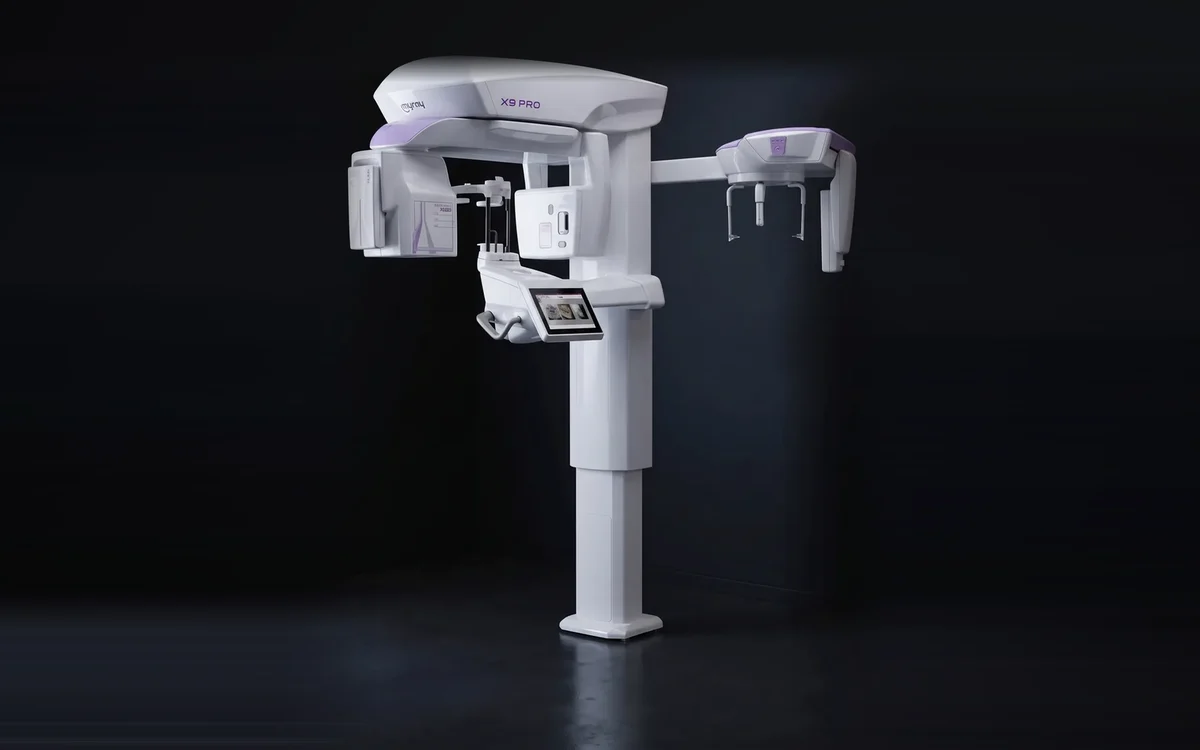
MyRay Hyperion X9 Pro
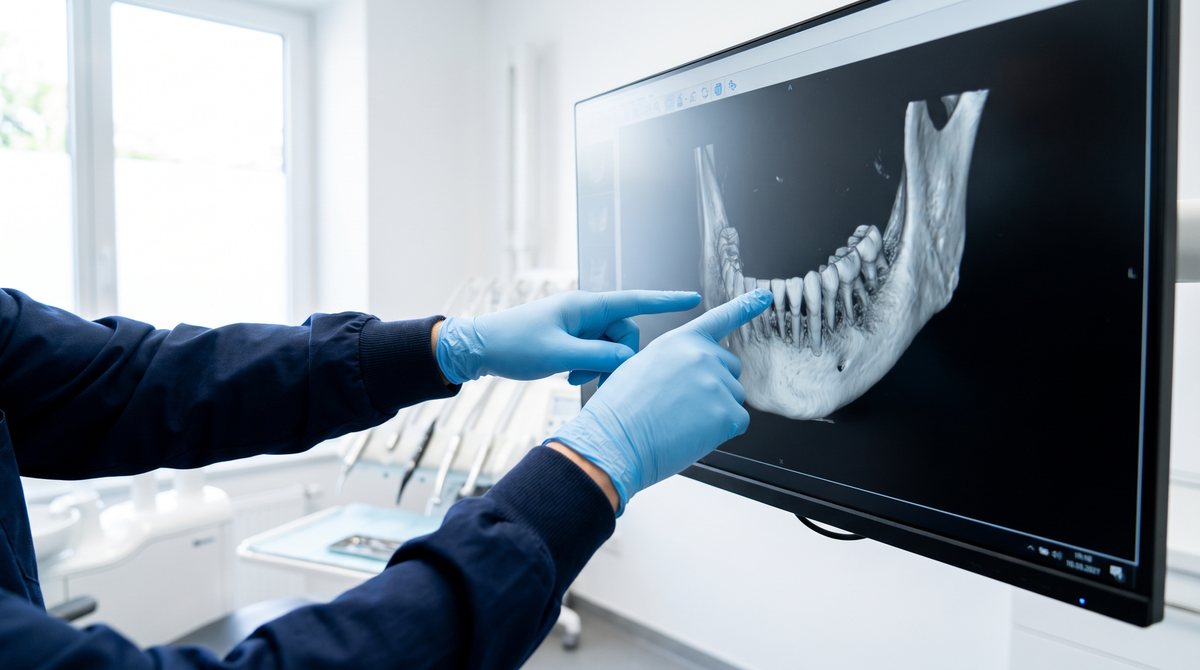
Panoramic X-ray and 3D cone beam scan of the roots, the nerve canal and the sinus.


Oral surgery · planned with the next step
We keep natural teeth whenever it makes medical sense. If a tooth has to come out, we explain why and which options there are to replace it later.
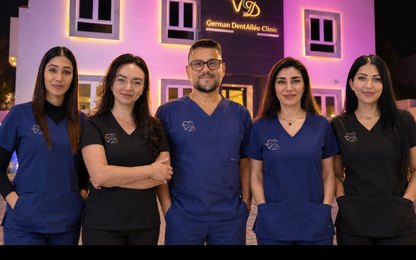
Surgery by Dr. Ayse Yilmaz Bastug, oral and maxillofacial surgeon, as part of a coordinated treatment plan with Dr. Mohammad Shaker.
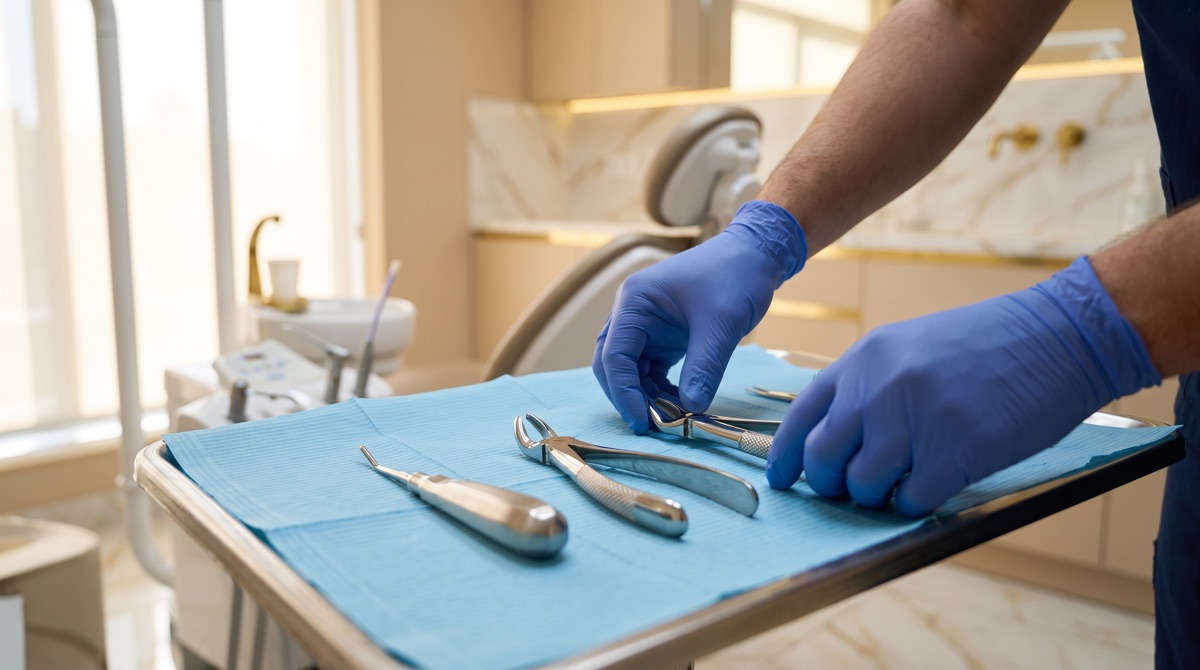
Patient guide
A tooth is extracted when it cannot be kept healthy with reasonable treatment: when it is broken too deep below the gum, destroyed by decay, loosened by gum disease, or carries an infection that a root canal cannot resolve. In these cases removing it protects the bone, the gums and the neighbouring teeth.
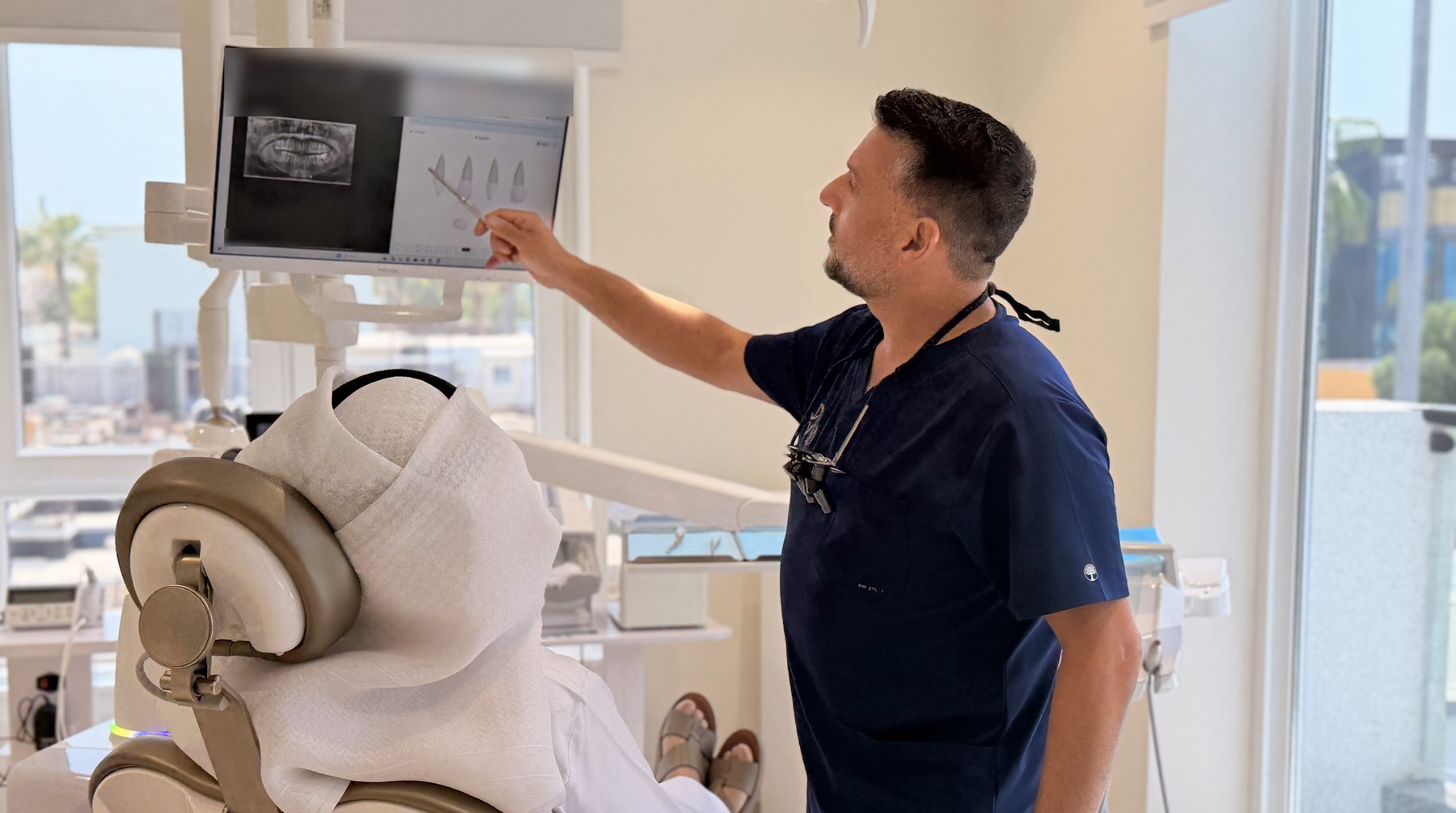
Before that decision, every tooth deserves a second look. Many teeth that hurt badly can be saved with a root canal treatment and a crown. A loose tooth can sometimes be stabilised with gum therapy. Dr. Mohammad says it to every new patient: tooth structure is precious, and we keep as much of it as we can. When a tooth really has to go, you hear why, and you see it on the X-ray.
At German DentAllée Clinic in Jumeirah 1, extractions are performed by our oral and maxillofacial surgeon, Dr. Ayse Yilmaz Bastug, PhD. She is in the clinic every Tuesday and whenever a case needs her. Urgent cases get priority, and we try to see patients in pain the same day.
This page explains the difference between a simple and a surgical extraction, what happens on the day, how healing works, what you can eat, how to avoid a dry socket and, just as important, what can replace the tooth afterwards. Wisdom teeth have their own page: wisdom teeth removal.
Is this for you?
Step by step
The tooth, the roots and the surrounding bone are checked on an X-ray, and on a 3D scan when roots are close to the nerve canal or the sinus. First question: can the tooth be saved?
Before the extraction you decide what will replace the tooth: an implant, a bridge, a denture or nothing. This decides whether the socket should be preserved.
Local anaesthetic, computer controlled with the Wand if you wish. Nitrous oxide helps if you are anxious.
The tooth is loosened and removed with as little force as possible. Teeth with several roots are often divided first, to protect the bone.
Where an implant is planned, the socket can be filled with bone substitute. You get written aftercare advice and a direct line to the clinic.
That depends on what your teeth need, so a price without an examination would not be honest. After the examination you receive a written treatment plan with all costs, before anything starts. Payment and insurance
What changes the cost
After an extraction there can be bleeding, swelling or a dry socket. A missing tooth can also let neighbouring teeth shift, so we plan the replacement early.
Your next step
Or call 800 433 368 (toll free) · Sat to Thu 9:00 to 18:00 · Fri closed
Dentists distinguish between two kinds of extraction. Which one you need depends on whether the tooth is visible and intact enough to be held, and on the shape of the roots.
The tooth is visible in the mouth and has a crown that can be held. After the area is numbed, the tooth is gently loosened in its socket with small instruments, widening the socket a little, and then lifted out. Usually this takes a short appointment, and healing is quick.
Needed when a tooth has broken off at or below the gum line, when roots are curved or very long, when the tooth is fused to the bone, or when it has not come through. The gum is opened slightly, a little bone may be removed, and the tooth is often divided into pieces so each root can be taken out separately. The gum is then closed with a few stitches.
It may sound like more work, but taking out a molar root by root needs much less force than pulling the whole tooth. Less force means less damage to the bone around the socket, which matters a lot if an implant is planned.
Before an extraction, a current X-ray is assessed: a recent one you bring, or a new one when needed. It shows the length and shape of the roots, possible signs of infection at the root tips, and the distance to the nerve in the lower jaw or the sinus in the upper jaw. When roots are close to these structures, a cone beam scan on the MyRay Hyperion X9 Pro gives a 3D view in 6.4 seconds. More on our technology page.
Your medical history matters as much as the X-ray. Please tell us about every medication, especially blood thinners, medication for osteoporosis such as bisphosphonates, and treatments like radiotherapy of the head and neck. Diabetes, heart conditions and pregnancy also change the plan. Do not stop or change blood thinning medication yourself: where needed, we coordinate with your doctor.
And there is one more question that belongs in every plan: what happens to the gap? A missing tooth changes more than the smile. Neighbouring teeth can tilt into the gap, the opposing tooth can grow out of its socket, and the bone shrinks. If an implant is an option, the extraction should be done in a way that protects the bone. That is why the replacement is planned before the tooth comes out, not months later.
Local anaesthetic is given before anything else happens. If injections make you nervous, the anaesthetic can be given with the Wand, a computer controlled system that releases it slowly and evenly. Nitrous oxide helps you relax while staying awake, and its effect wears off quickly after the appointment. More on our sedation page.
During the extraction you usually feel pressure and movement, sometimes a cracking sound when a tooth is divided. If you feel discomfort, tell us, so the anaesthesia can be checked and topped up. A simple extraction is often done in a short appointment. A surgical extraction takes longer, depending on the tooth.
Afterwards, the socket is cleaned and any infected tissue is removed. You bite on a piece of gauze to stop the bleeding, receive your aftercare instructions in writing, and can go home. Eat something before your appointment, as you should not eat until the numbness has worn off.
After an extraction, the bone around the socket starts to remodel. A large part of this change happens in the first months, and it mostly affects the width of the jaw on the cheek side. For a denture this is often acceptable. For an implant, especially in the front, it can mean that bone has to be rebuilt later.
Socket preservation can slow down this process. Directly after the extraction, the empty socket is filled with a bone substitute material and covered, sometimes with a membrane or a small piece of gum. Over the following months, the body forms new bone in the socket. This can reduce the loss of bone volume, but some shrinkage still happens, and further bone grafting may still be needed later.
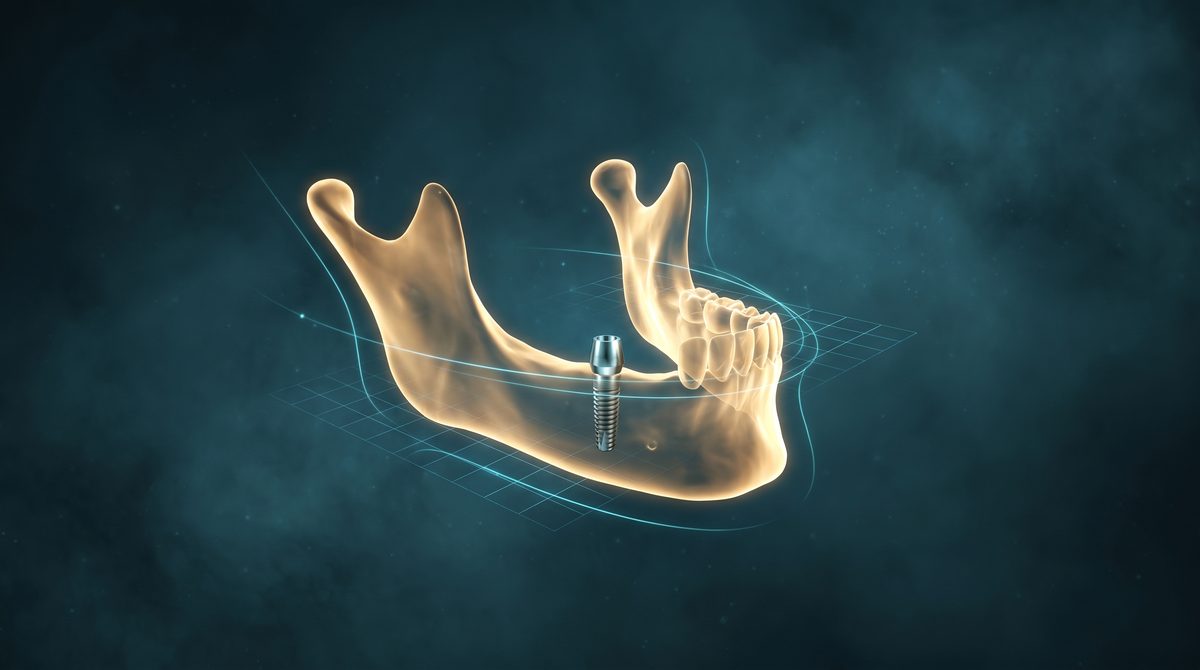
Socket preservation is not needed for every extraction. It makes the most sense when an implant is planned later, when the tooth is in a visible area, or when the bone around the socket is thin. If an implant can be placed directly into the socket on the same day, this is called an immediate implant. Whether that is possible depends on the bone and on whether there is an acute infection. Our bone grafting page explains the techniques in more detail.
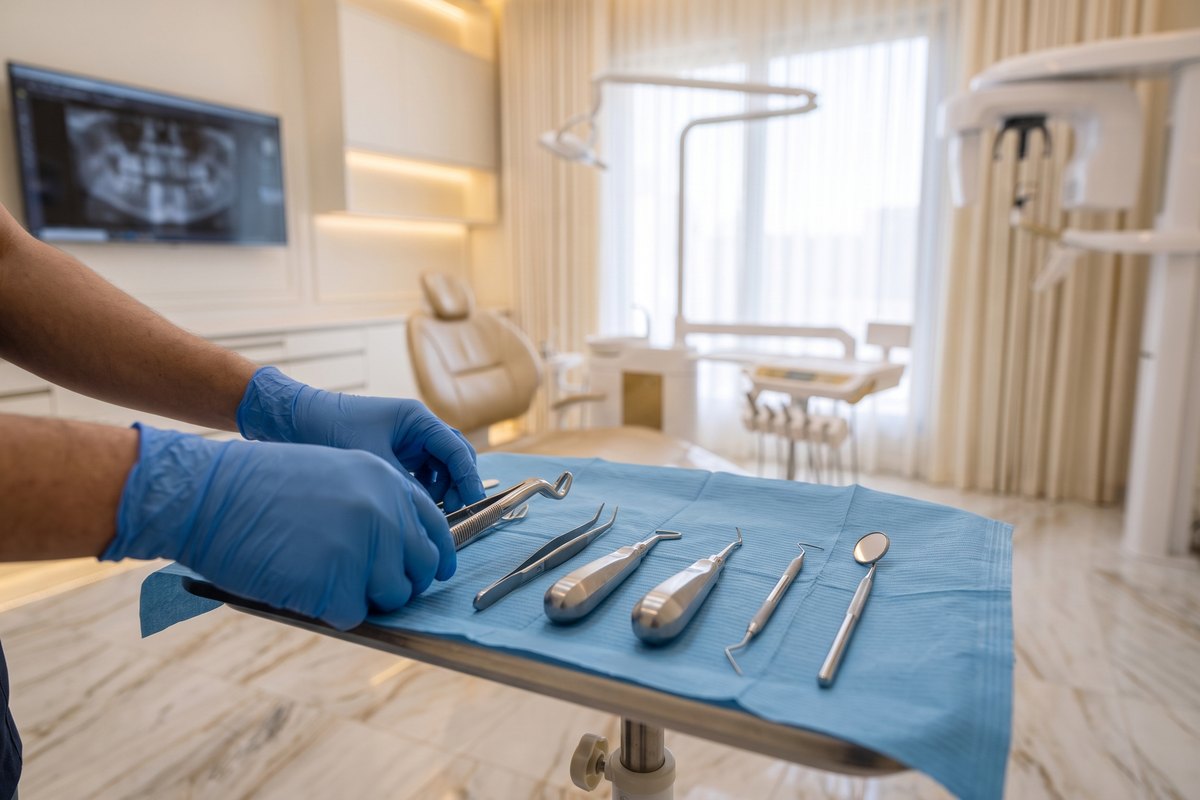
Not every gap needs to be filled. A missing wisdom tooth or a back tooth without a partner in the opposite jaw can sometimes stay a gap. In most other cases, a replacement protects your bite and your remaining teeth. These are the main options.
A titanium root in the bone carrying a ceramic crown. The neighbouring teeth are not touched. Depending on the bone, the implant is placed immediately, after a few weeks, or after several months. See our implants page.
One or more fixed replacement teeth, supported by the neighbouring teeth on both sides of the gap. A good option when those teeth already need crowns anyway. See crowns and bridges.
A removable replacement held by clasps or crowns on your remaining teeth. Useful when several teeth are missing or surgery is not wanted.
When several teeth or all teeth have to come out, a denture can be prepared in advance and fitted on the day of the extractions, so you do not leave without teeth.
For a visible front tooth, a temporary replacement is often possible while the area heals. It is planned before the extraction.
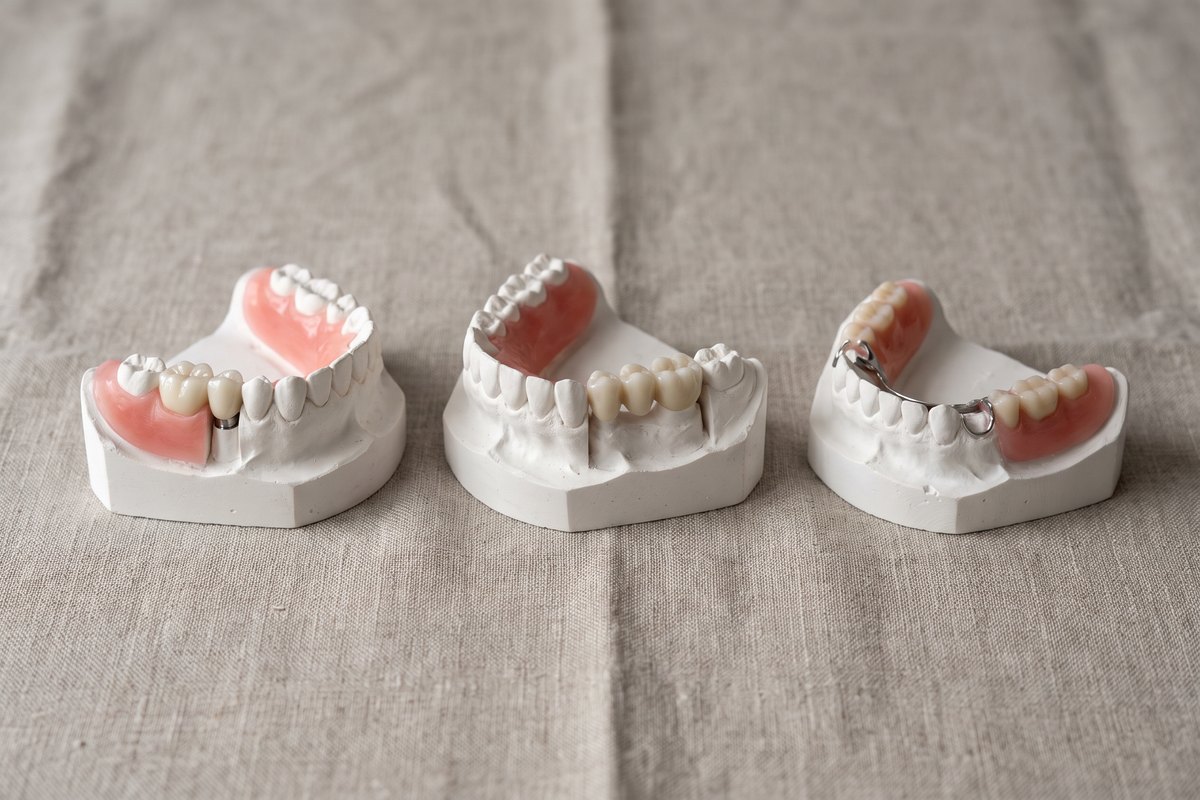
In the first hours, a blood clot forms in the socket. This clot is the start of healing: it protects the bone and gradually turns into new tissue. Most aftercare rules exist to protect it.
After a simple extraction, many patients feel only mild soreness for one or two days. After a surgical extraction, swelling and tenderness are more common and usually peak on the second or third day. Most patients are back to their normal routine after a few days. The gum closes over the socket within a few weeks, while the bone underneath keeps filling in for a few months.
Some pain in the first days is normal and is managed with the painkillers you are given. Pain that gets worse again after a few days, instead of easing, is not normal and should be checked, as it can be a sign of a dry socket. Do not wait for a particular day: if pain becomes severe or keeps increasing, contact us. You have a direct line to the clinic, and if something worries you, you are seen.
Timeline
Bite on the gauze. A blood clot forms in the socket.
Some oozing is normal. Cool the cheek, rest, no rinsing, no smoking, no straws.
Swelling, if any, peaks and then goes down. Soft food. Gentle salt water rinses if we tell you to.
Check up and removal of stitches if needed. Most discomfort is gone.
The gum has closed over the socket.
Bone fills the socket. Time for an implant or the final bridge, depending on the plan.
Technology
Panoramic X-ray and 3D cone beam scan of the roots, the nerve canal and the sinus.
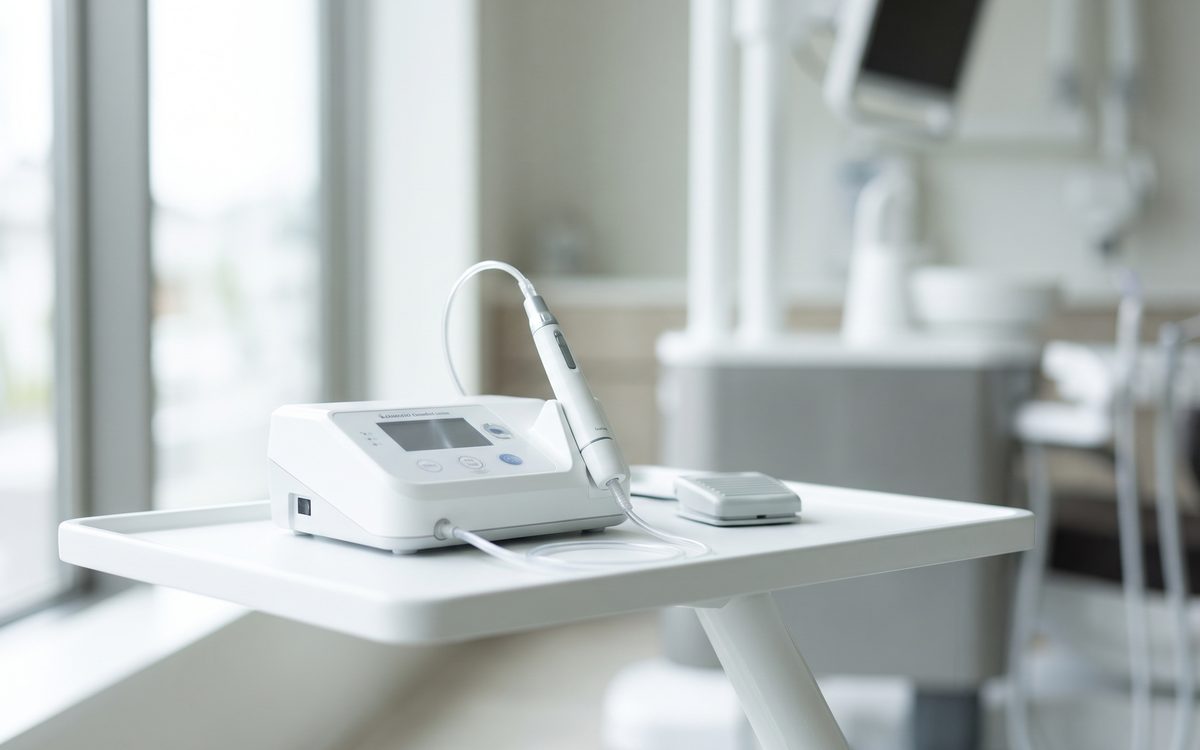
Computer controlled anaesthesia that releases the anaesthetic slowly and evenly.
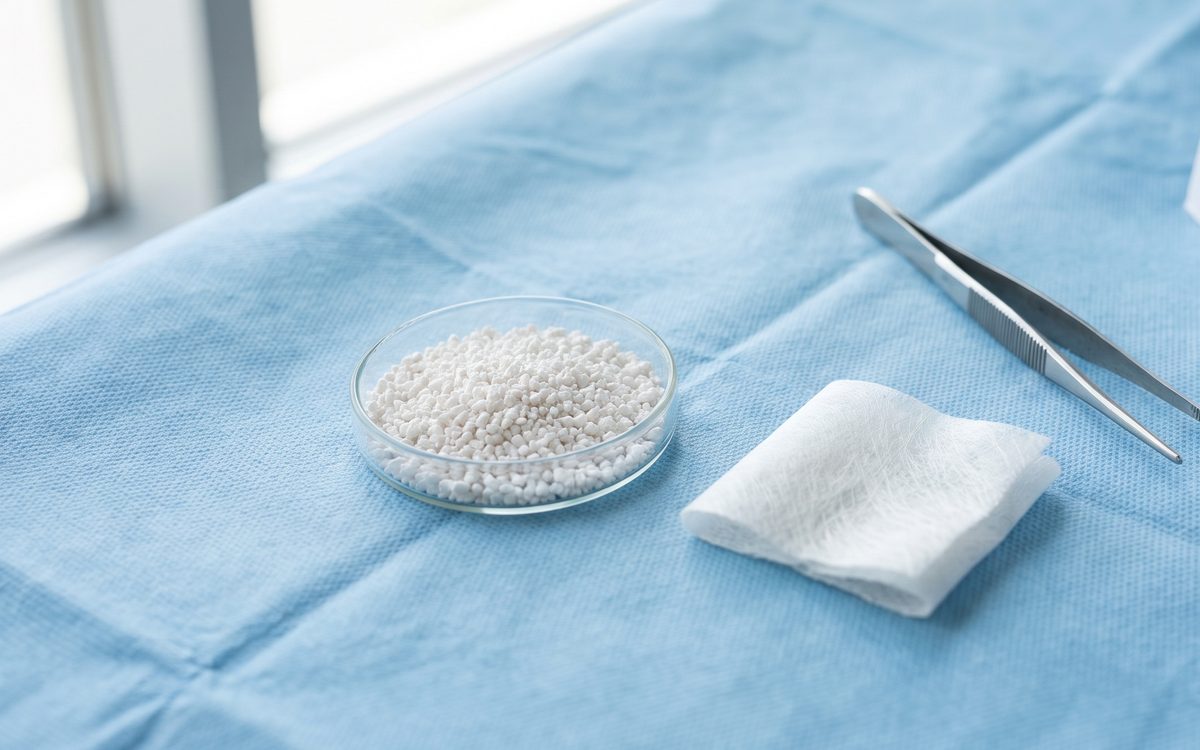
Bone substitute in the socket to help preserve the bone for a later implant.
Myth or fact
MythPulling a painful tooth is always the quickest solution.
FactOften a root canal and a crown can save the tooth, and a missing tooth brings its own problems later.
MythA back tooth does not need replacing.
FactSometimes that is true. But neighbouring teeth can tilt into the gap and the opposite tooth can move, so it should be decided together.
MythYou should take antibiotics before every extraction.
FactAntibiotics are not routine. They are considered in specific situations, such as an infection that is spreading, fever or certain medical conditions, and are prescribed only when needed.
MythRinsing a lot keeps the socket clean.
FactIn the first day, rinsing can wash out the protective blood clot. Gentle rinses start later, when we tell you.
More answers
Tap a question to open the answer. Anything else, ask us on WhatsApp.
Tooth extraction is one of the most common procedures in dentistry, and most patients heal without problems. Results can vary from person to person, and you should know the possible complications.
An overview. Which one you need is decided on the X-ray.
| Simple extraction | Surgical extraction | |
|---|---|---|
| Typical tooth | Visible tooth with an intact crown | Broken tooth, curved roots or a tooth that has not come through |
| Gum opened | No | Yes, a small flap |
| Stitches | Rarely | Usually |
| Time in the chair | Usually short | Longer, depending on the tooth |
| Swelling afterwards | Mild or none | Common, usually peaks on day two or three |
| Back to routine | Often the next day | Usually after a few days |
Local anaesthetic is used to control pain, and you usually feel pressure and movement. Tell us if you feel discomfort, so the anaesthesia can be checked and adjusted. Afterwards there is some soreness for a few days, managed with painkillers.
A simple extraction is often done in a short appointment. A surgical extraction takes longer, depending on the roots and the position of the tooth.
A simple extraction removes a visible tooth without opening the gum. A surgical extraction opens the gum slightly, sometimes removes a little bone, and often divides the tooth, for broken teeth, curved roots or teeth that have not come through.
Often, yes. Before any extraction we check whether a root canal, a crown or gum treatment can keep the tooth. You hear honestly if it cannot.
Soft, lukewarm food for the first days: yoghurt, soup that is not hot, eggs, mashed potatoes, rice. Avoid hot, spicy, crunchy food, seeds and nuts, and do not use a straw.
Pain that gets stronger again after a few days instead of easing, sometimes with a bad taste, can be a sign of a dry socket, but there are other causes too. Contact us: after an examination we can tell you what it is and how to treat it.
It is best to avoid smoking for as long as possible after the extraction, at least several days, as advised by your dentist. Smoking increases the risk of dry socket and slows healing.
Sometimes, when the bone is intact and there is no acute infection. In other cases the socket is preserved first and the implant follows after a few months.
It depends on whether it is a simple or surgical extraction, the number of teeth, and steps like socket preservation. You receive the costs in writing before treatment. The first consultation is charged and credited towards your treatment if you go ahead.
That depends on your policy. Before treatment, check with your insurer about benefits, exclusions, limits and whether pre approval is needed. We do not bill insurers directly. You receive all documents to claim from your insurer, and any reimbursement depends on your policy.
Usually yes. Do not stop the medication yourself. Tell us what you take, and where needed we coordinate with your doctor.
We try to. Urgent cases get priority, and we try to see patients in pain the same day. Send us a WhatsApp or call the clinic.
After a simple extraction often the next day. After a surgical extraction, plan a day or two of rest.

Why with Dr. Mohammad Shaker
At German DentAllée a tooth is only removed when keeping it is no longer sensible. Dr. Mohammad, DHA Specialist Prosthodontist, checks first whether a root canal, a crown or gum treatment can still save it, and plans the replacement before the extraction. The extraction itself is done by Dr. Ayse Yilmaz Bastug, PhD, DHA specialist in oral and maxillofacial surgery.
Dr. med. dent. · M.Sc. Prosthodontics · DHA Specialist Prosthodontist · Specialist Senior Dentistry (GER 🇩🇪)
Meet Dr. Mohammad ShakerAlso at the clinic
You are welcome
One message is enough. No forms, no call centre. You write, the clinic answers in Arabic, English or German.
Villa 21B, La Mer · Jumeirah 1 · Dubai
Sat to Thu 9:00 to 18:00 · Fri closed