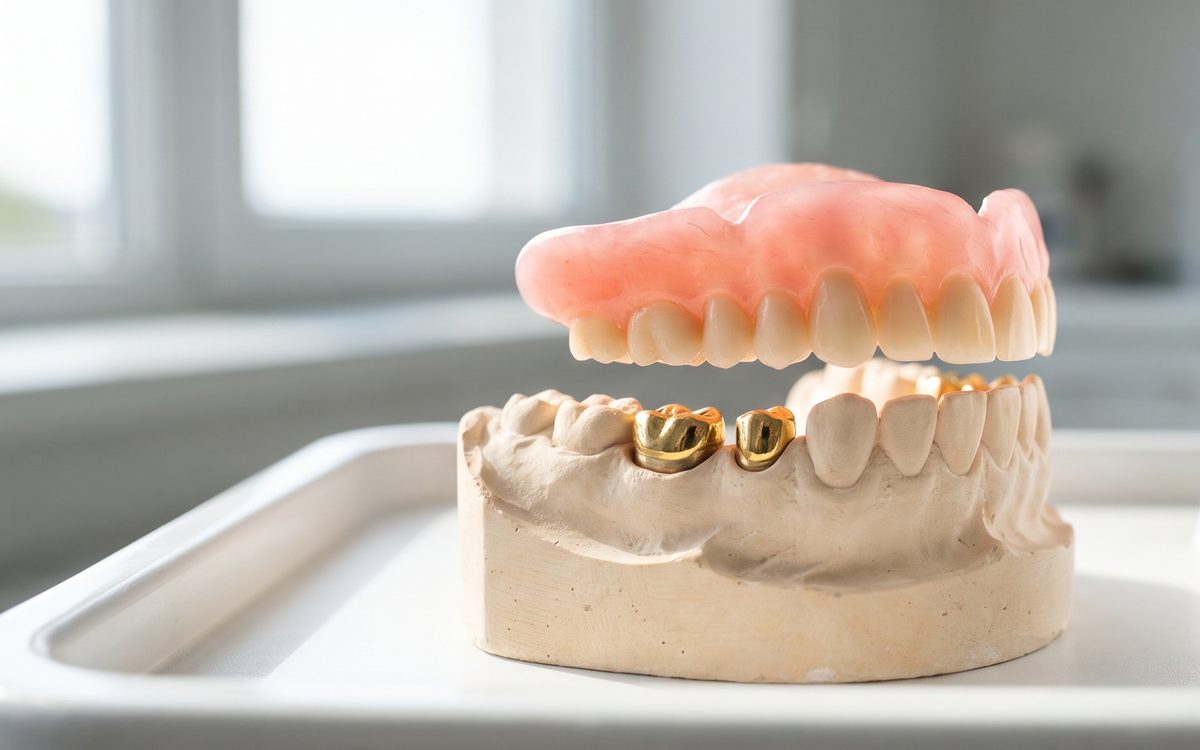
Telescopic dentures
Partial dentures held by double crowns, a German classic.


Removable prosthodontics
We plan high quality full and partial dentures, including telescopic dentures. The aim is a good hold, safe chewing, clear speech and a natural appearance.
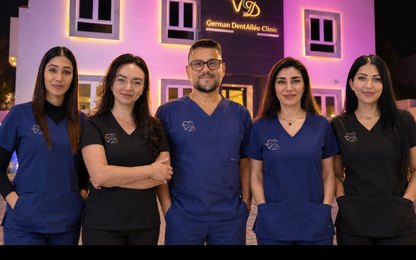
 With Dr. Mohammad Shaker.
Patient guide
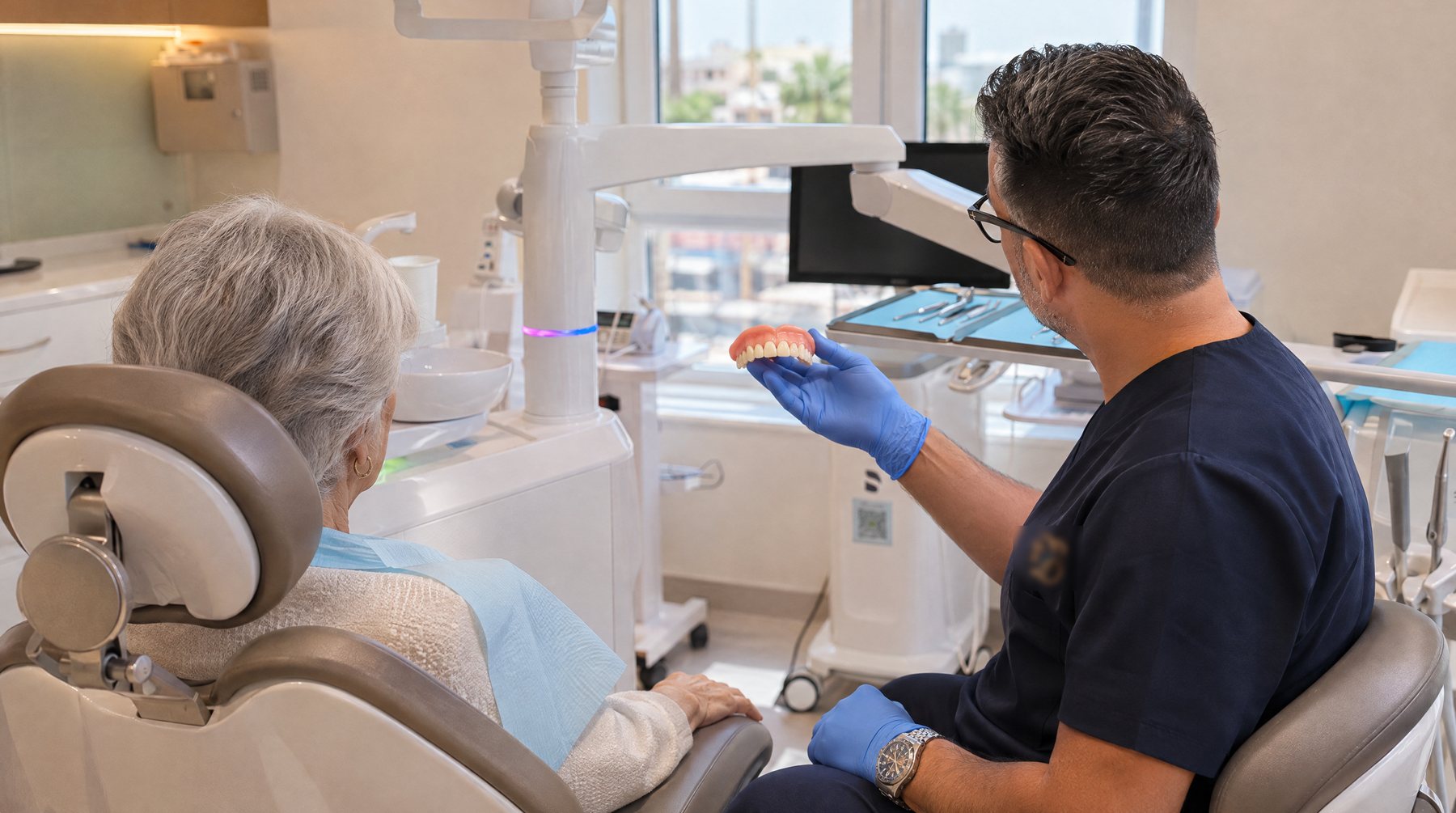
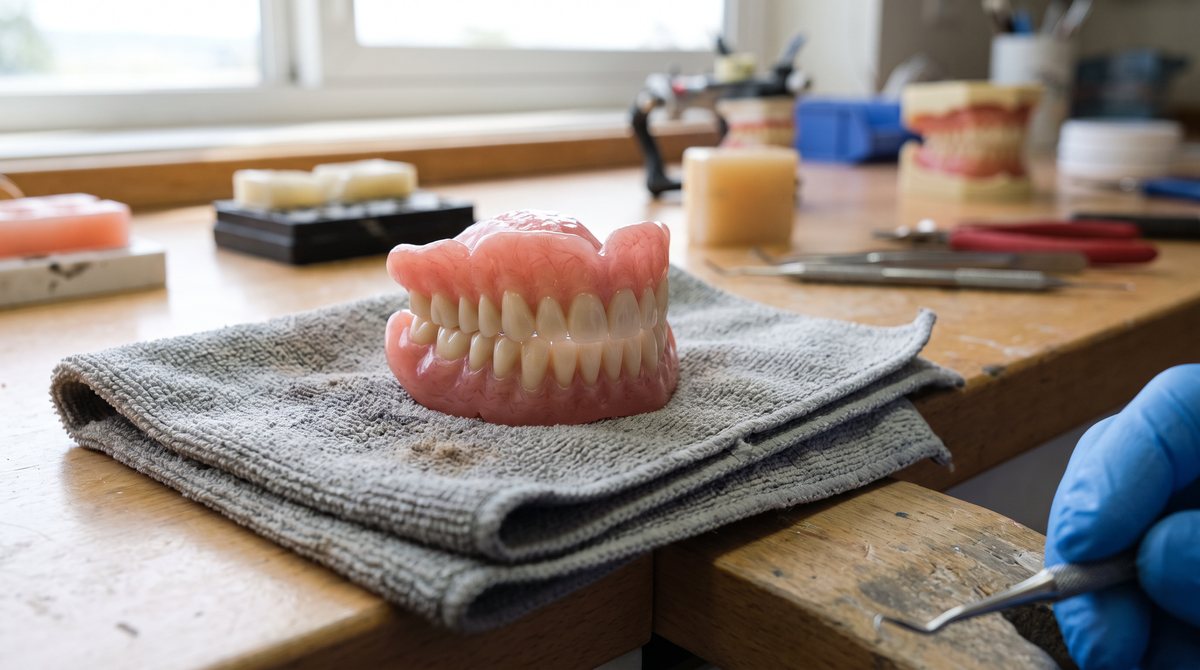
A denture is a set of artificial teeth on a base that replaces missing teeth and can be taken out of the mouth. A full denture replaces all teeth in a jaw, a partial denture fills the gaps between your remaining teeth, and an implant retained denture clicks onto implants for better hold.
A good denture does more than fill gaps. It supports the lips and cheeks, gives the face its height back, lets you chew and speak clearly, and should feel like part of you after a short time of getting used to it. A poor denture rubs, moves and ends up in a drawer.
Removable prosthodontics is the field of Dr. Mohammad Shaker, DHA Specialist Prosthodontist with an M.Sc. in prosthodontics from Germany and Specialist Senior Dentistry (GER 🇩🇪), certified by the German society DGAZ. His doctorate was on the dental care of nursing home residents. He knows that a denture has to help you chew and speak with confidence, not only look right in the mirror.
On this page you find the different types of dentures, how a new denture is made step by step, how long you need to get used to it, what helps when a denture is loose, how to care for it, which alternatives exist, and what affects the cost.
Is this for you?
Step by step
What bothers you about your teeth or your current denture, and what you expect.
Jaw and bite recorded, digitally where possible.
The teeth are set up and tried in your mouth before the denture is finished.
The finished denture is fitted and adjusted.
Small adjustments in the weeks after, and regular checks.
That depends on what your teeth need, so a price without an examination would not be honest. After the examination you receive a written treatment plan with all costs, before anything starts. Payment and insurance
What changes the cost
Every new denture needs a period of getting used to, with pressure spots that may need adjusting. The jaw changes over the years, so dentures need regular checks.
Your next step
Or call 800 433 368 (toll free) · Sat to Thu 9:00 to 18:00 · Fri closed
There is no single denture that suits everyone. The right type depends on how many teeth you still have, how strong they are, your bone, your budget and what matters most to you.
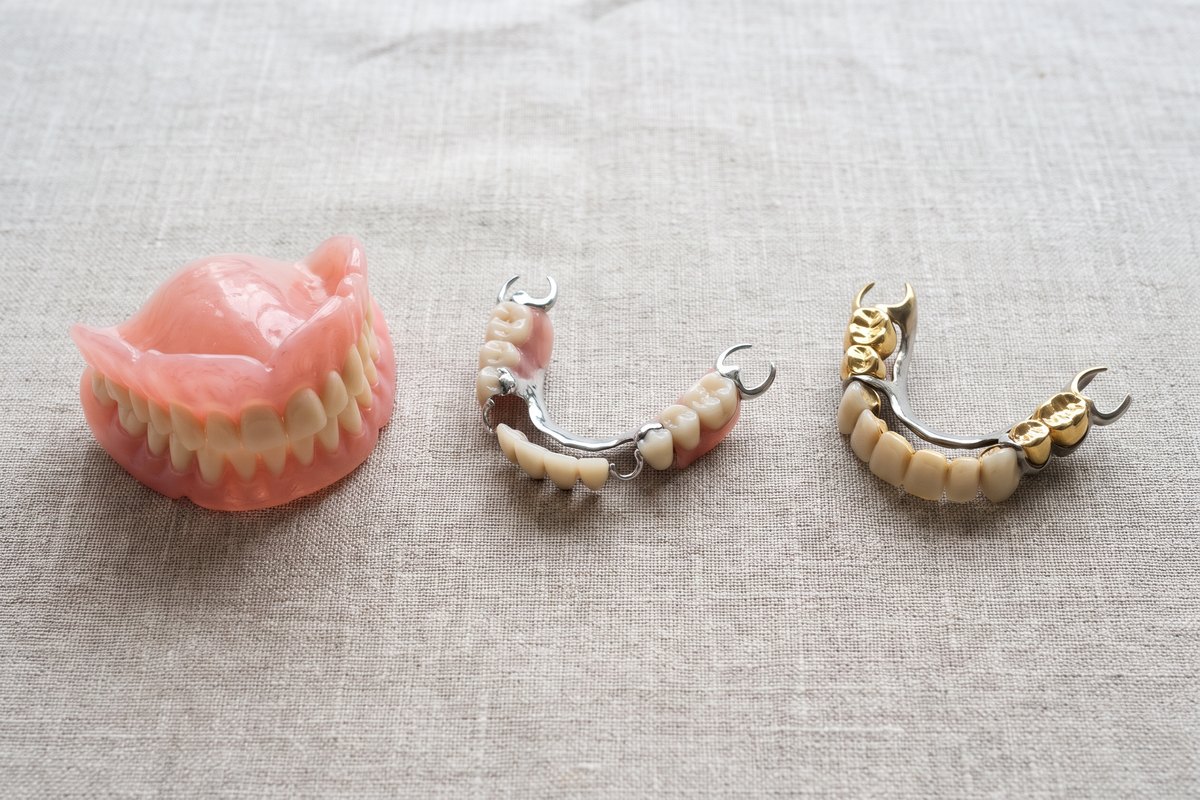
Replaces all teeth in one jaw. In the upper jaw it holds by suction on the palate. In the lower jaw there is less surface, which is why lower full dentures move more easily.
A thin, strong metal frame with clasps that hold on your remaining teeth. Stable, slim and a proven solution for several gaps.
Made from a flexible material without metal (Valplast). Clasps are gum coloured and less visible. Suitable for some situations, not for all.
A German classic. Your remaining teeth receive inner crowns, which can be made of zirconia, and the denture holds on them with matching outer crowns, like a lid on a box. Usually very stable, easy to clean, and if one tooth is lost later, a replacement tooth can often be added to the denture.
Small attachments connect the denture to crowns on your own teeth, without visible clasps.
Two to four implants hold the denture. You still take it out to clean. Implants can improve hold and reduce movement when you eat or speak, and some movement may remain depending on the design.
Prepared before teeth are removed and, when clinically suitable, fitted on the same day, so in most cases you do not have to go without teeth. As the gums heal and change shape, it is adjusted or relined, and later usually replaced by the final denture.
A temporary denture worn for a limited time, for example while the gums heal after extractions or while implants heal, before the final denture is made.
A denture is made in several steps, and each one is used to check something before the next. This careful sequence helps the final denture fit well and reduces the need for later corrections.
It starts with a conversation: what bothers you about your teeth or your current denture, what you eat, how you want to look. Then your jaws and bite are recorded, digitally where possible with the Primescan, otherwise with a precise impression. The height of the bite and the position of the lips are measured, because these decide how natural your face will look.
Next comes the try in. The teeth are set up in wax or as a digital try in, and you see and feel them in your own mouth before anything is finished. Shape, shade, length and the smile line are checked with you, ideally with a family member present. Only when you are happy is the denture completed.
At the fitting, the denture is placed, pressure points are checked and the bite is adjusted. You receive simple instructions for wearing and cleaning. In the weeks after, short follow up appointments are used for small corrections. A conventional denture usually takes a few appointments over some weeks.
The overall time is longer when teeth have to be removed first or implants are part of the plan. The gums then need time to heal, and implants usually need some months to grow into the bone before the final denture is fitted. Your written plan shows the expected steps and timing for your situation.
Even a well made denture needs a period of getting used to. Your tongue, cheeks and lips have to learn a new shape. For most people this takes a few days to a few weeks.
Some sounds, especially s and f, can feel strange at first. Reading aloud at home helps the tongue adapt faster.
Start with soft food cut into small pieces, and chew on both sides at the same time, which keeps the denture stable. Biting with the front teeth into an apple comes later, and with a full denture is often better avoided.
Small pressure points are common in the first days. Do not adjust the denture yourself. Contact us for a check and adjustment of the denture. Sometimes more than one visit is needed.
A new denture on healed gums usually causes only mild pressure, not real pain. After extractions or implant surgery, some soreness and swelling are normal for a few days and are managed with the pain relief we recommend. Contact the clinic promptly if pain or swelling gets worse instead of better, if a sore spot bleeds or does not heal, or if you cannot eat. Most patients return to work the next day after a fitting, and after surgery the time depends on the procedure.
It is common to produce more saliva in the first days. This usually settles on its own.
This is one of the most common questions about dentures. Dentures become loose for a reason: the jaw bone under the denture slowly shrinks over the years, while the denture keeps its shape. The gap between the two grows, and the denture starts to move, rub and lose suction.
The first step is often a relining. A new layer of material is added to the inside of the denture so it fits the current shape of your jaw again. Relining is done in the clinic. If the base itself is worn, a rebase, where the base is renewed while the teeth are kept, can be an option, and we discuss whether it suits your denture.
If the denture is very old, the teeth worn down or the bite collapsed, a new denture is usually the better choice.
For better hold, especially in the lower jaw, implants are often the most effective option. Two to four implants can hold a denture so it clicks into place. Implants can improve retention and reduce movement, and some movement may remain depending on the design. If you prefer fixed teeth that you do not take out at all, a full bridge on four implants is described on our All-on-4 page. How implants are placed is explained on our implants page.
Real results
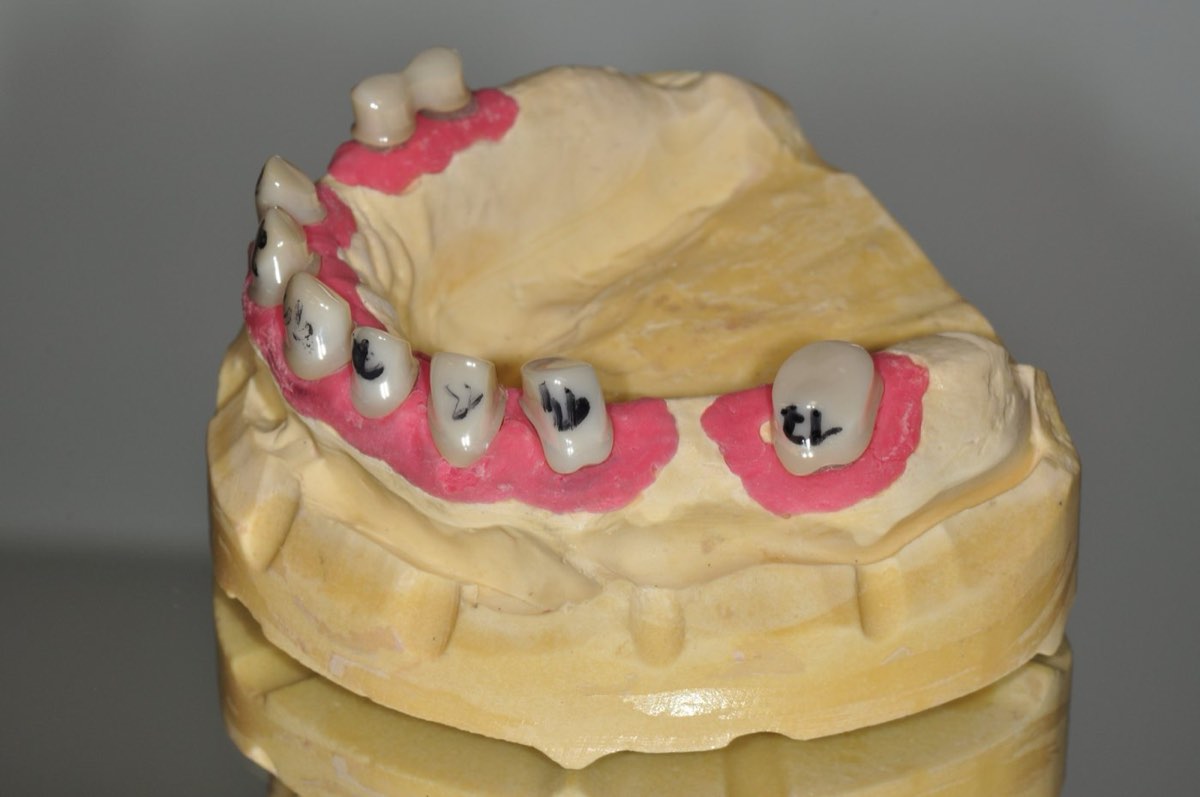
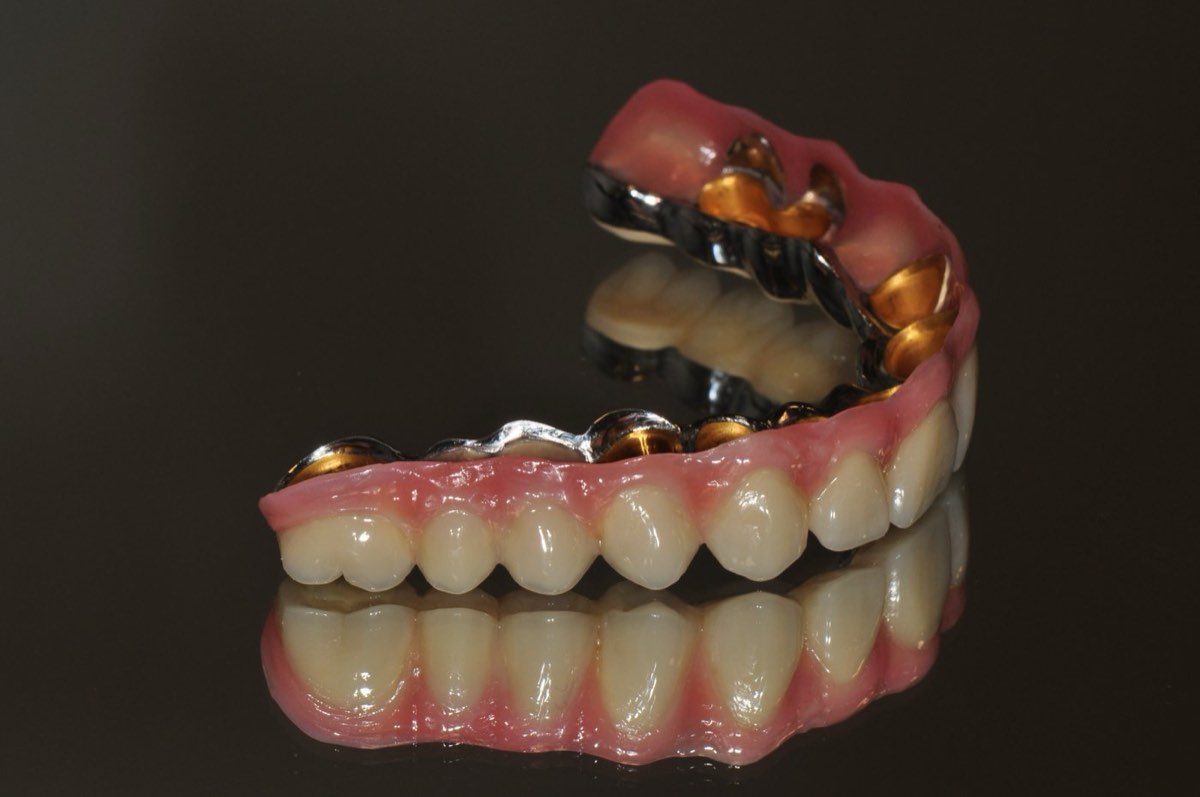
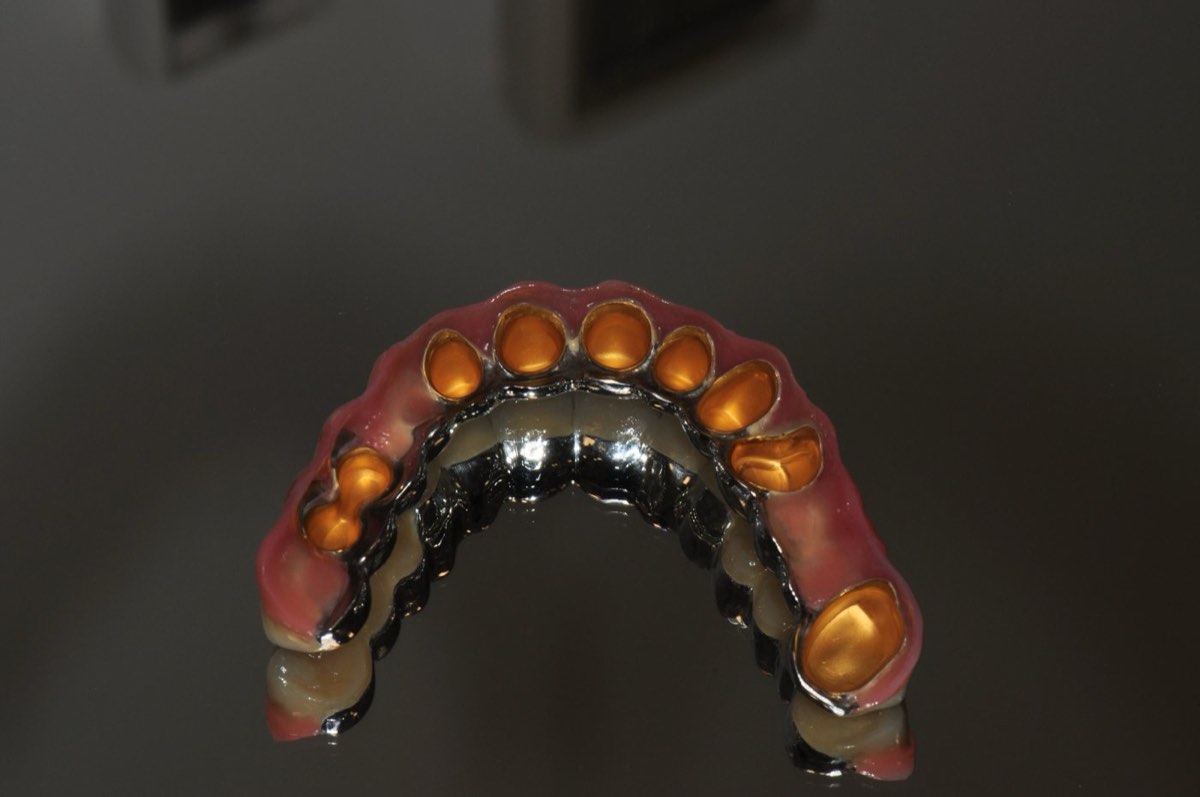
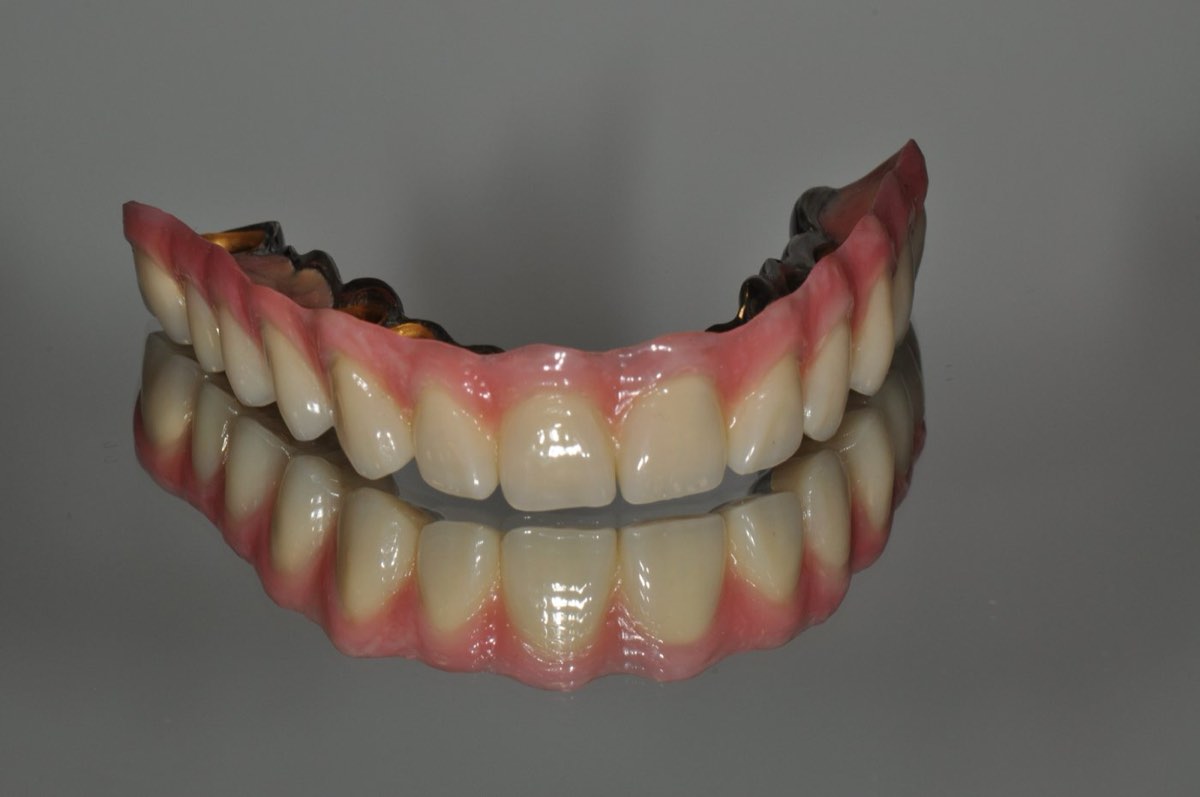
Real case · Dr. Mohammad
Treated by Dr. Mohammad in Germany. Shown with the written consent of the patient. Results can vary from one person to another.
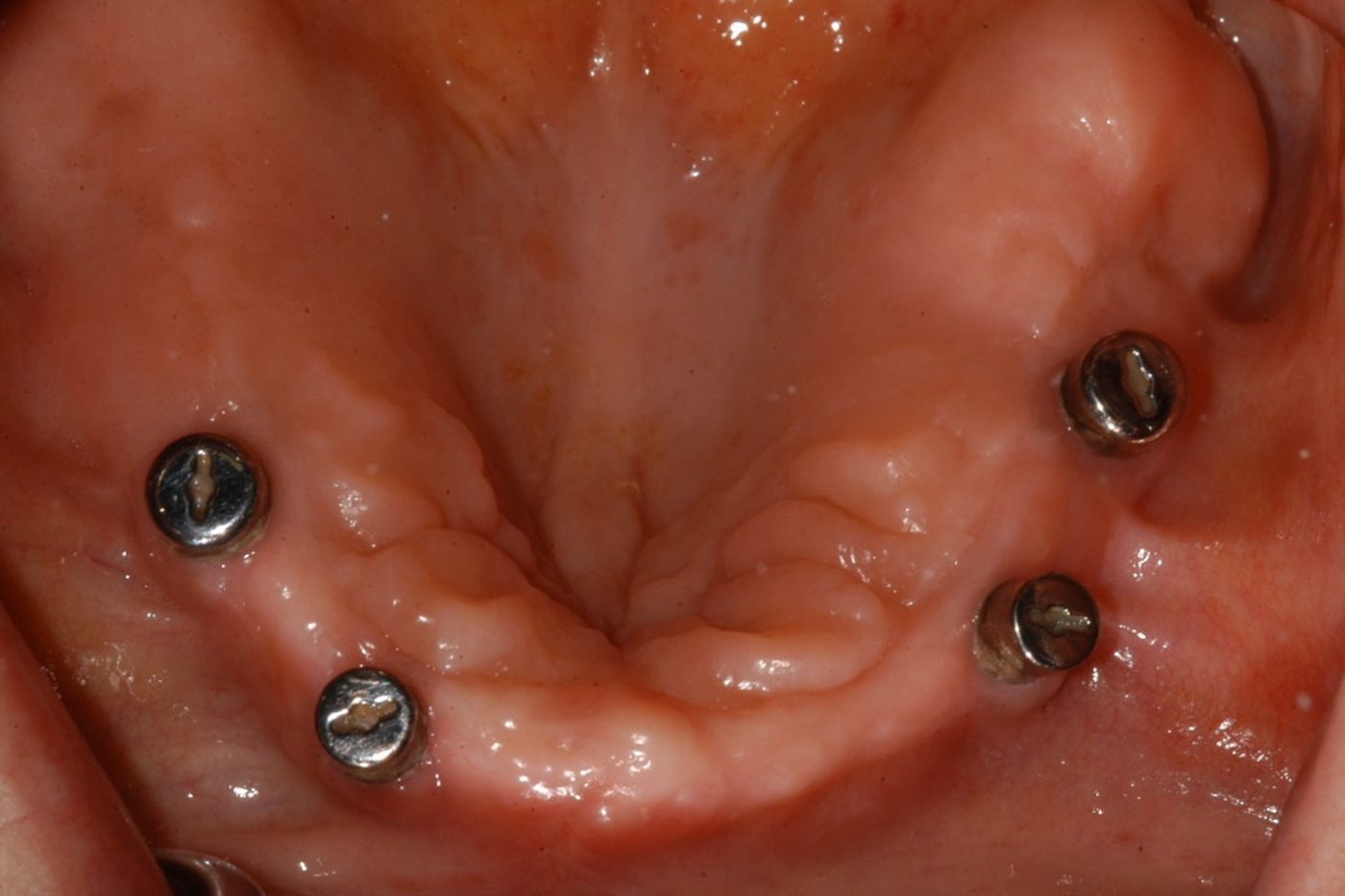
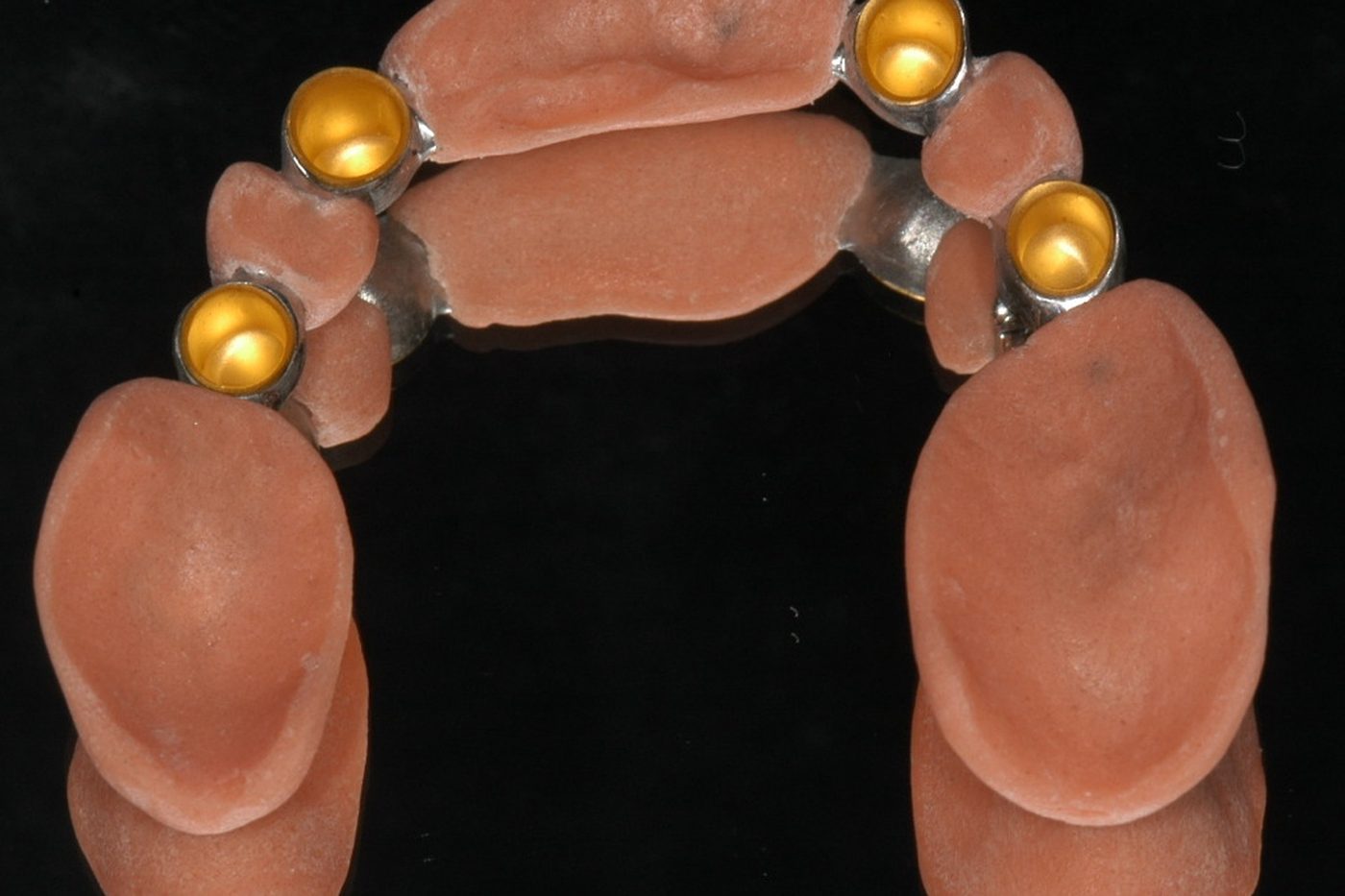
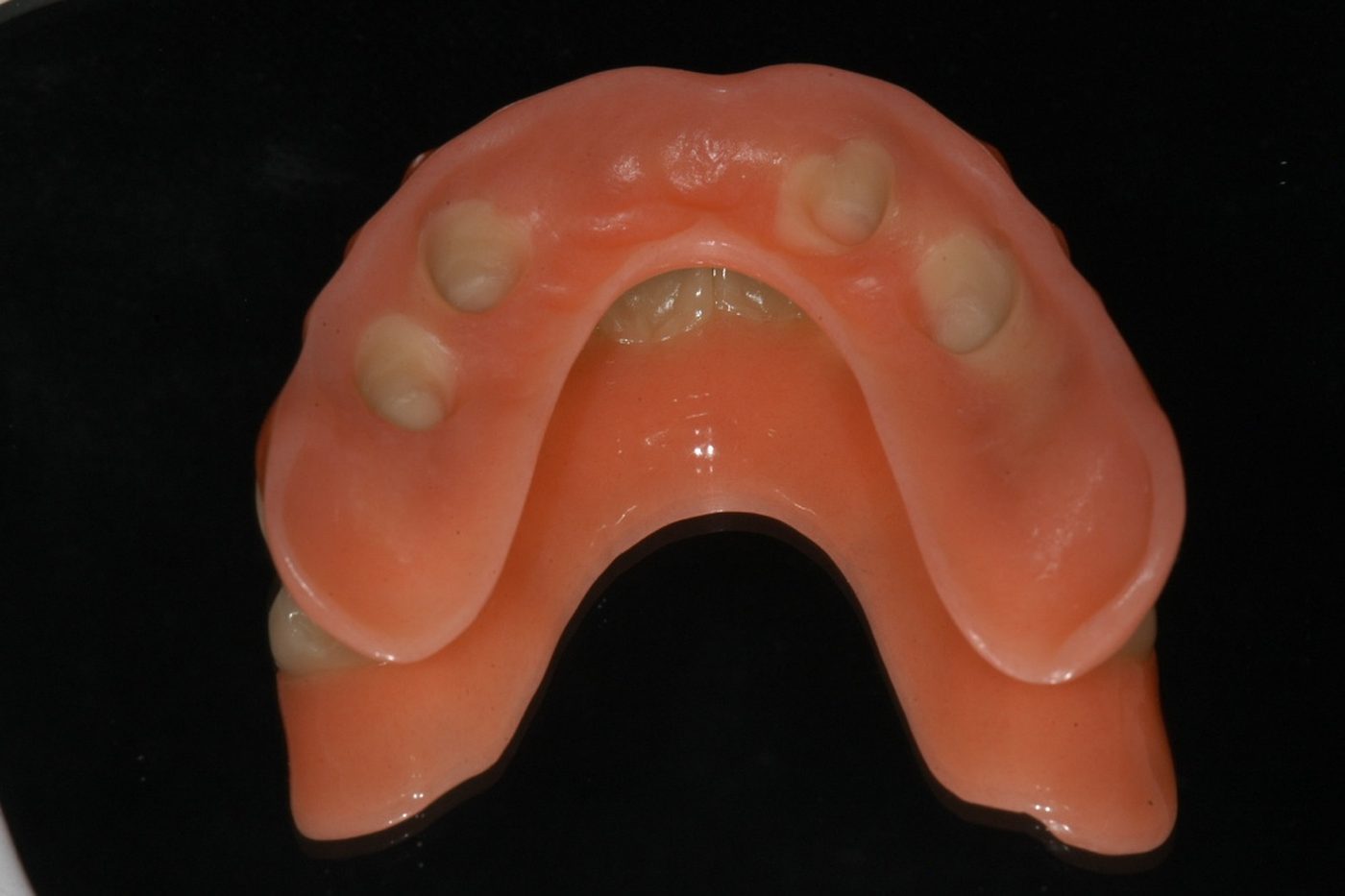
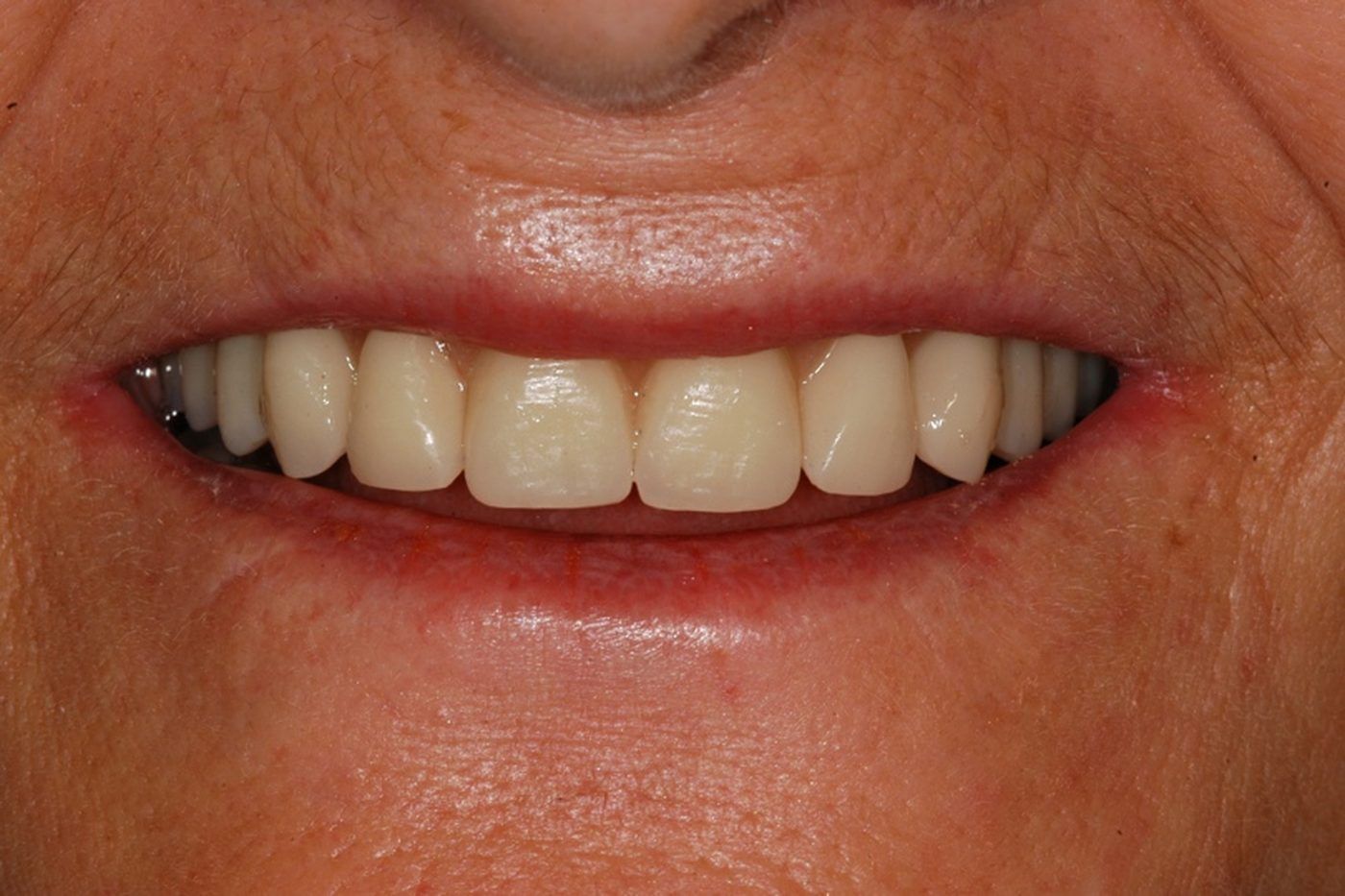
Real case · Dr. Mohammad
Treated by Dr. Mohammad in Germany. Shown with the written consent of the patient. Results can vary from one person to another.
A removable denture is not the only way to replace missing teeth. Which option suits you depends on the number and position of the gaps, the health of the neighbouring teeth, your bone and your general health.
For one or two missing teeth between healthy teeth, a fixed bridge can be an option. It does not come out, but the neighbouring teeth are prepared for crowns. See our crowns and bridges page.
An implant with a crown replaces a tooth without touching the neighbouring teeth. It needs enough bone, a minor operation and some months of healing.
For a jaw without teeth, a fixed bridge on four or more implants is an alternative to a removable denture, described on our All-on-4 page.
Denture patients are often older, take several medications or have other health conditions. Treatment is planned around this: longer first visits, shorter treatment sessions where energy is limited, and medication reviewed before anything starts. Family members are welcome in the room, because decisions are easier when everyone hears the plan.
The clinic is on the ground floor, wheelchair accessible, with an accessible toilet and its own parking. We also see patients in care homes, and at home when a visit to the clinic is no longer possible.
Dry mouth from medication, hand problems that make cleaning difficult and a weaker sense of where the denture sits are all part of the plan, not an afterthought. Our senior care page explains how the clinic works with older patients.
Daily care keeps the denture fresh, your gums healthy and the fit good for longer.
Take the denture out and clean it at least once a day with a soft denture brush and mild soap or denture cleaner. Normal toothpaste can be too abrasive and scratch the surface. Clean over a basin filled with water or a towel, so it does not break if it slips. Brush your gums, tongue and any remaining teeth too.
Most patients should take their denture out at night so the gums can rest. Store it in clean water or in a denture cleaner that suits its material, follow the soaking time in the instructions, and rinse it well before putting it back in. Cleaners that contain chlorine can damage metal parts. Never use hot water, which can bend the material.
If you have a partial or telescopic denture, the remaining teeth carry it, so they need special care. With an implant retained denture, the implants and attachments are cleaned daily as shown to you, and worn clips or attachments may need replacing over time. Regular professional cleaning with Afra, our DHA licensed hygienist, protects them. See our cleaning page.
Come for a check every six to twelve months, even with a full denture. The fit, the bite and the gums are checked, and early changes in the mouth are noticed.
Timeline
Wishes, medical history and examination. Plan and costs in writing.
Jaws, bite and lip support recorded, digitally where possible.
Teeth set up and tried in your mouth. Shape and shade checked with you.
Finished denture fitted, pressure points and bite adjusted.
Short follow up visits for small corrections.
Check of fit, bite and gums. Relining when the jaw has changed.
Technology
Partial dentures held by double crowns, a German classic.
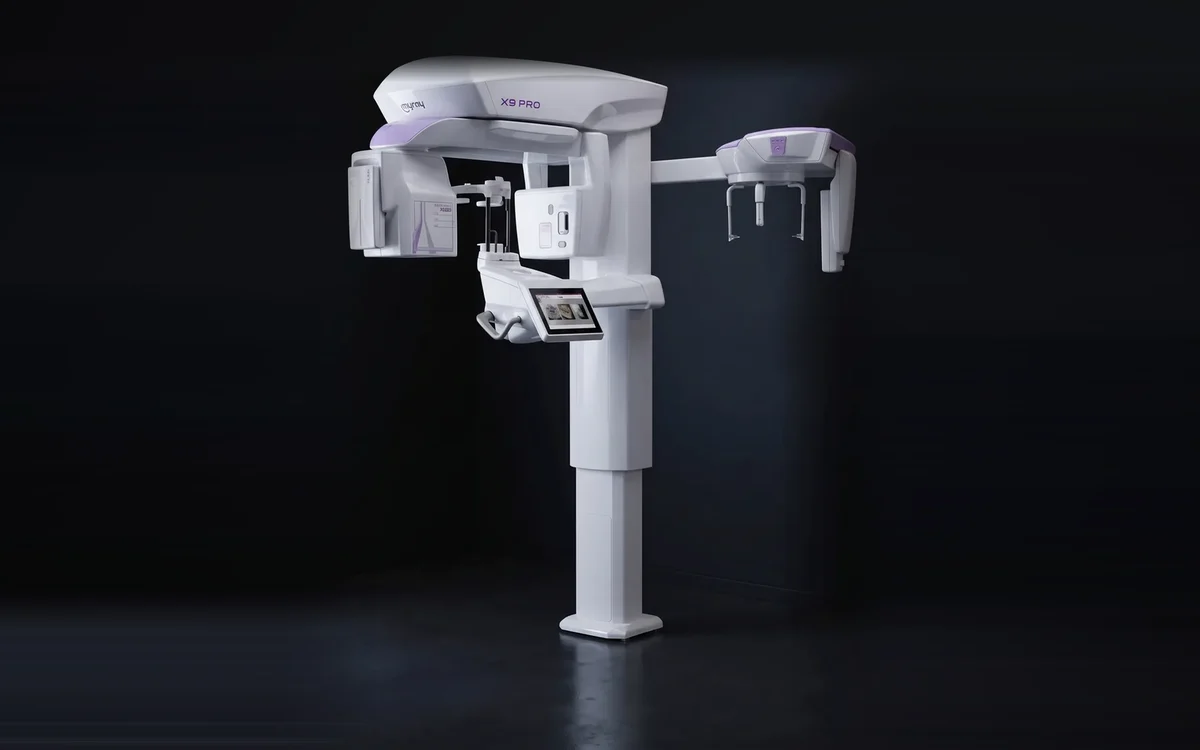
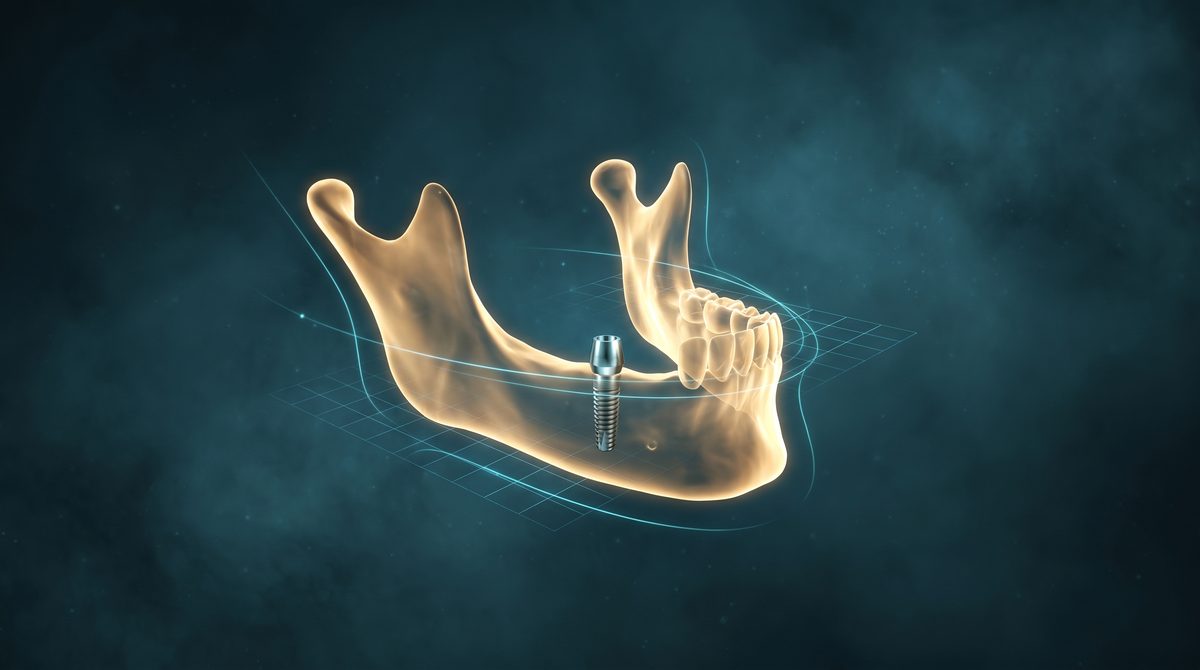
A cone beam scan shows the bone before implants for a denture are planned.
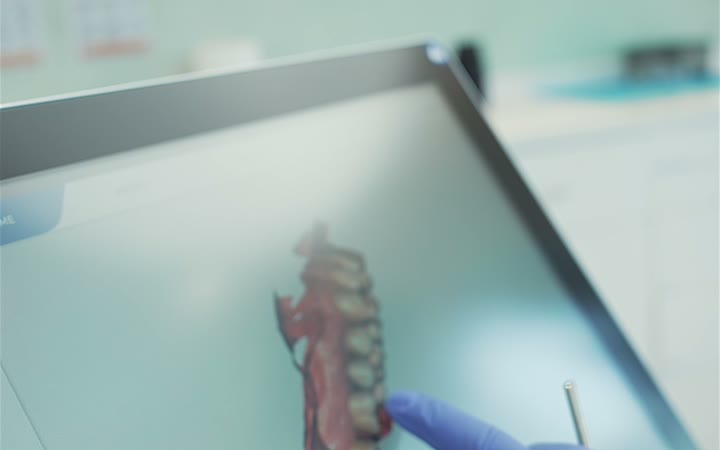
Digital planning and manufacture where suitable. The number of appointments depends on your treatment plan.
Myth or fact
MythOnce you have a denture, you never need to see a dentist again.
FactGums and bone keep changing. Regular checks keep the fit good and catch changes in the mouth early.
MythAdhesive is the solution for a loose denture.
FactAdhesive can help a little, but a loose denture usually needs relining, a new denture or implants.
MythDentures always look artificial.
FactTooth shape, shade and position are chosen for your face and tried in before the denture is finished.
MythImplants are always needed for a denture to hold.
FactMany upper full dentures hold well with suction. Implants usually help most in the lower jaw.
More answers
Tap a question to open the answer. Anything else, ask us on WhatsApp.
A conventional removable denture is a low risk treatment, but there are typical problems. A careful fit and regular checks reduce the risk of most of them. Implant retained dentures also involve implant surgery, with its own risks.
An overview of the most common options. Your remaining teeth and bone decide what is possible.
| Full denture | Partial on metal frame | Telescopic denture | Implant retained | |
|---|---|---|---|---|
| For | No teeth left in the jaw | Several gaps, healthy remaining teeth | A few remaining teeth that can carry crowns | Few or no teeth, enough bone for implants |
| Hold | Suction, weaker in the lower jaw | Clasps on teeth | Double crowns, usually very stable | Clicks onto implants |
| Visible metal | No | Sometimes clasps | No | No |
| Treatment | No surgery | No surgery | Crowns on remaining teeth | Implant surgery |
| Teeth can be added later | Not needed | Often | Often, if a tooth is lost | More implants possible |
Often a relining helps. For better hold, two to four implants can anchor the denture, if an examination shows that implants are suitable for you.
A conventional denture usually takes a few appointments over some weeks. An immediate denture is prepared in advance and can usually be fitted on the day the teeth are removed. With extractions or implants, the whole treatment can take some months, because healing comes first.
A partial denture held by double crowns on your remaining teeth. Usually very stable and easy to clean.
Telescopic dentures, partial dentures on a thin cast metal frame, and flexible dentures without metal (Valplast). Which one fits depends on your remaining teeth.
Yes, repairs and relining are done in the clinic. Same day repairs are not done in the clinic. If you need one, we can refer you to an external provider, where availability has to be confirmed.
A new denture on healed gums usually causes only mild pressure in the first days, and sore spots are relieved at follow up visits. After extractions or implant surgery, soreness and swelling for a few days are normal. Contact us promptly if pain gets worse, if swelling increases or if you cannot eat.
For most people a few days to a few weeks. Speaking and eating get easier quickly, and sore spots are relieved at follow up visits.
Most foods, yes, after a period of getting used to it. Chewing on both sides at once helps. An implant retained denture usually makes chewing more stable.
Usually no. Taking it out at night lets the gums rest and reduces the risk of infection. There are exceptions, which we discuss with you.
It depends on the type, one or both jaws, and any work on remaining teeth or implants. The consultation is charged and credited towards your treatment. After the examination you receive a written plan with all costs.
That depends on your policy. Before treatment, check with your insurer whether dentures are covered, which exclusions and limits apply and whether pre approval is needed. Reimbursement is decided by your insurer. We do not bill insurers directly, but you receive all documents to claim from your insurer. Payment is also possible in instalments with Tabby or Tamara.
With good care, many years. The jaw changes over time, so relining is often needed after some years, and teeth wear down.
Yes, we see patients in care homes, and at home when a visit to the clinic is no longer possible.

Why with Dr. Mohammad Shaker
Removable prosthodontics is Dr. Mohammad’s specialty, from his M.Sc. in prosthodontics to his doctorate on the dental care of older people. He knows that a denture has to help you chew and speak with confidence, not only look right in the mirror.
Dr. med. dent. · M.Sc. Prosthodontics · DHA Specialist Prosthodontist · Specialist Senior Dentistry (GER 🇩🇪)
Meet Dr. Mohammad ShakerYou are welcome
One message is enough. No forms, no call centre. You write, the clinic answers in Arabic, English or German.
Villa 21B, La Mer · Jumeirah 1 · Dubai
Sat to Thu 9:00 to 18:00 · Fri closed