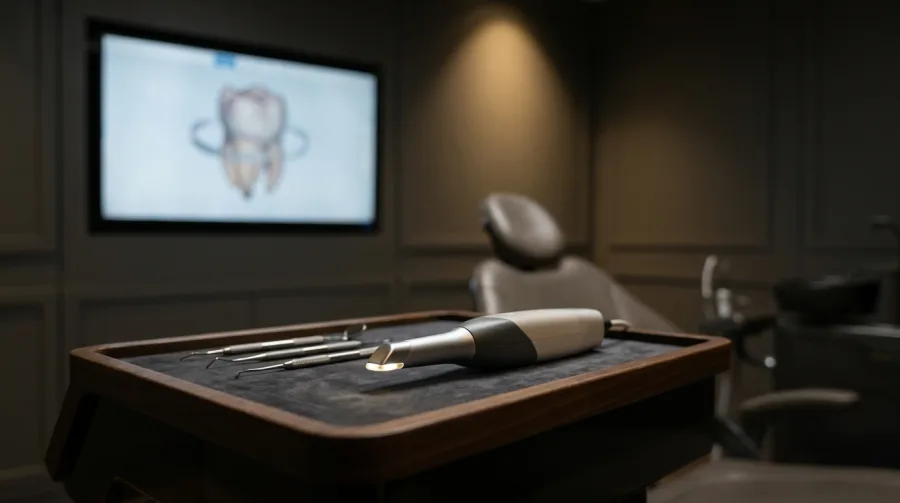
Digital Smile Design
The new teeth designed to your face.


Prosthodontics
With several missing, worn or badly damaged teeth, we develop one coordinated treatment plan. Function, bite and a natural appearance are planned together.
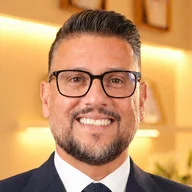 With Dr. Mohammad Shaker.
Patient guide
A full mouth rehabilitation restores most or all of the teeth in one coordinated plan, with the aim of better chewing, a balanced bite, a natural appearance and comfort. It is used when there are many problems at the same time, such as worn teeth, failing crowns and bridges, missing teeth or a bite that has collapsed, and treating individual teeth without an overall plan may not address the underlying problems.
Instead of patching, the whole mouth is examined, the new teeth and the new bite are designed first, tested in your mouth with temporaries and only then made in ceramic. Crowns, bridges, veneers, implants, fillings and gum treatment are placed in a sensible order, step by step.
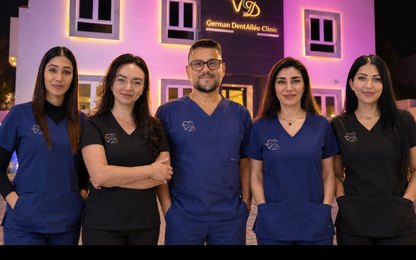
This is the core of prosthodontics, the specialty of Dr. Mohammad Shaker, DHA Specialist Prosthodontist, with an M.Sc. in prosthodontics and certification as an expert of the German Society for Prosthodontics (DGPro). Back in 2006 he spoke at the 1st CAD/CAM International Dental Conference in Dubai about an all ceramic full mouth restoration, twenty years before he opened German DentAllée in Jumeirah 1.
Is this for you?
Step by step
Scans, X-rays, photos, a facial scan and a functional analysis of the jaw.
The new teeth and the new bite are designed on screen in proportion to your face.
Temporaries in the new shape let you test bite, speech and look in daily life.
Crowns, bridges, implants and fillings in a sensible order, with costs known in advance.
A night guard and regular checks keep the result stable.
That depends on what your teeth need, so a price without an examination would not be honest. After the examination you receive a written treatment plan with all costs, before anything starts. Payment and insurance
What changes the cost
A full rehabilitation takes several appointments, and a changed bite needs time to get used to. Risks depend on the individual steps and are explained in your written plan.
Your next step
Or call 800 433 368 (toll free) · Sat to Thu 9:00 to 18:00 · Fri closed
Most patients who come for this treatment have lived with their problems for a long time. Often they have had many single repairs over the years, and each new crown or filling solved one problem while the overall situation kept getting worse. A coordinated plan aims to address the causes of these repeated problems. It starts by asking why the teeth are failing, not only which tooth hurts today.
Typical situations are listed below. Not all of them need a full rehabilitation. Sometimes a smaller plan for one jaw, or a combination of fillings and onlays with a night guard, is enough, and you hear that honestly.
Many people think of a full mouth rehabilitation as a smile makeover with more teeth. The visible result matters, but the real work is in the bite: how the upper and lower teeth meet, how the jaw joints move and how much space the muscles need.
When teeth wear down, the face can lose height between nose and chin, and the bite can slip into a position that strains the jaw. Restoring this lost height, called the vertical dimension, and finding a comfortable jaw position are the foundations of a stable result. If they are wrong, even beautiful crowns can chip, loosen or cause discomfort.
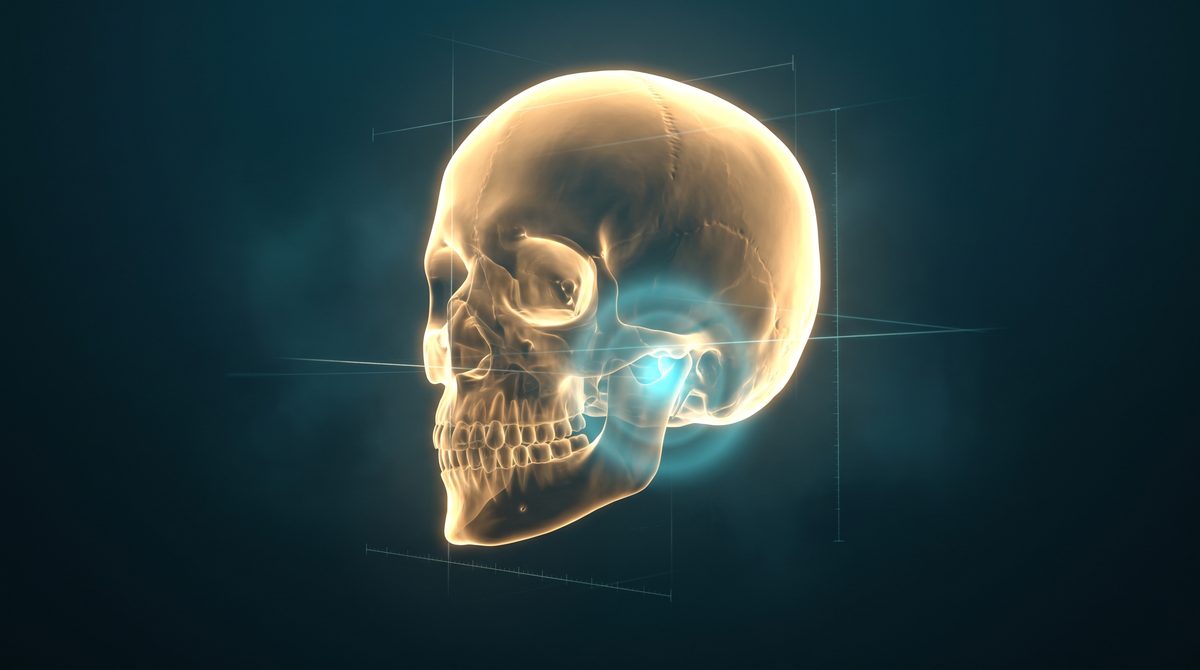
That is why the functional analysis is part of every plan. Jaw movement, the jaw joints and the muscles are examined, the bite is recorded and transferred to an articulator, a device that simulates your jaw movements. If the joints or muscles are irritated, a Michigan splint can be worn first to relax them before the new bite is defined. Jaw pain and headaches have many possible causes and are assessed separately. New crowns are not a treatment for jaw joint disorders, and changing the bite is not promised to relieve such symptoms.
Dr. Mohammad’s scientific work included crack growth in all ceramic restorations, published in Dental Materials in 2008. That knowledge goes into the details: enough ceramic thickness where forces are high, the right material for each tooth, and a bite that distributes load evenly.
Treatment starts only when you have understood the plan and decided. Family members are welcome at this conversation, because a large plan is easier to decide together.
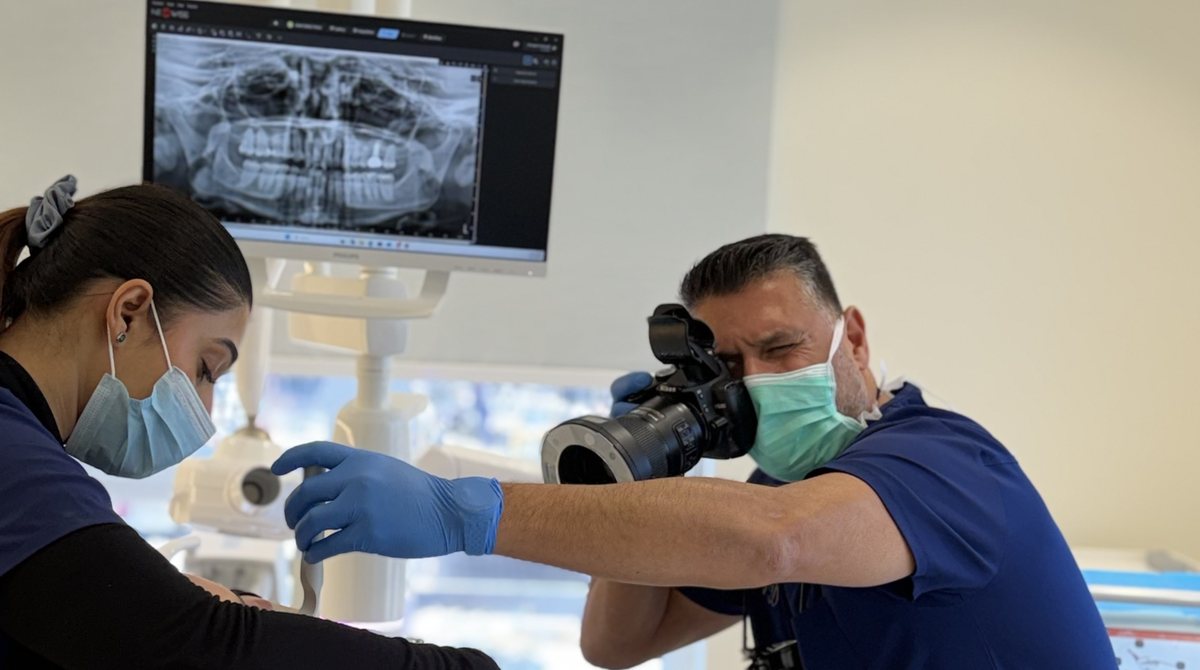
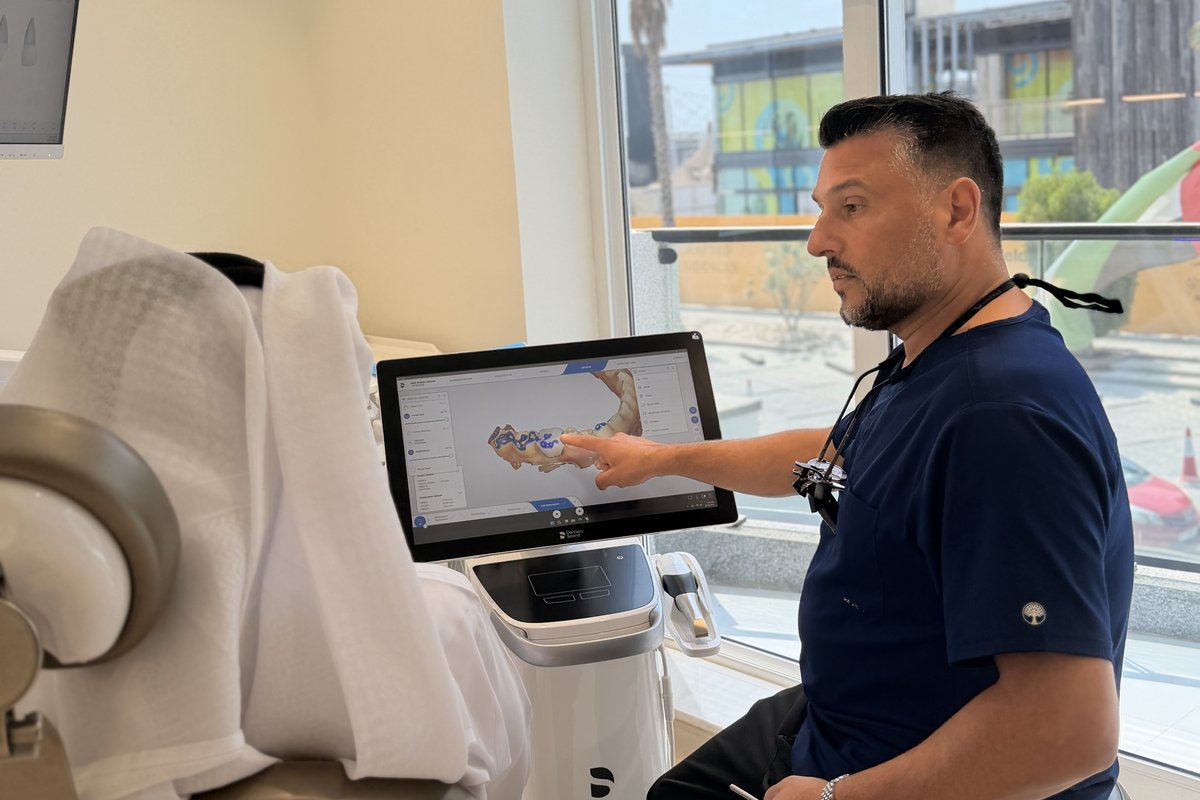
Digital scans of all teeth with the Primescan, X-rays and where needed a 3D cone beam scan on the MyRay Hyperion X9 Pro, photos, a facial scan without X-rays and a functional analysis of the jaw.
Every tooth is assessed: can it be kept, does it need a root canal, gum treatment, a filling, a crown, or is it better replaced? Gums and bone are measured, because a rehabilitation on inflamed gums is less likely to last.
The new teeth and the new bite are designed on screen in proportion to your face with Digital Smile Design. You see the planned result before anything is changed.
You get the full plan in writing, with the order of the steps, the time frame and all costs. The plan can be split into stages that fit your time and budget.
The most important safety step in a full mouth rehabilitation is the trial phase. Before any final ceramic is made, the new shape and bite are transferred to your mouth with temporaries.
These temporaries are not a quick fix. They are made from the digital design and let you test the new teeth in daily life: chewing, speaking, smiling, sleeping. You notice whether certain sounds feel different, whether the bite feels comfortable and whether you like the look. Dr. Mohammad checks the jaw muscles and joints at follow up visits.
Changes are easy at this stage. A tooth can be made slightly shorter, an edge rounder, the bite adjusted. Only when everything feels right are the final crowns, onlays or veneers made. The approved temporaries are scanned and guide the final design, and small adjustments may still be needed.
This step takes time, often several weeks, and it is one of the reasons a full rehabilitation should not be rushed. Where clinically appropriate, temporaries are planned for each stage, so you are usually not without teeth. What is possible at each stage, for example after extractions or implant surgery, is explained in your plan.
Real results
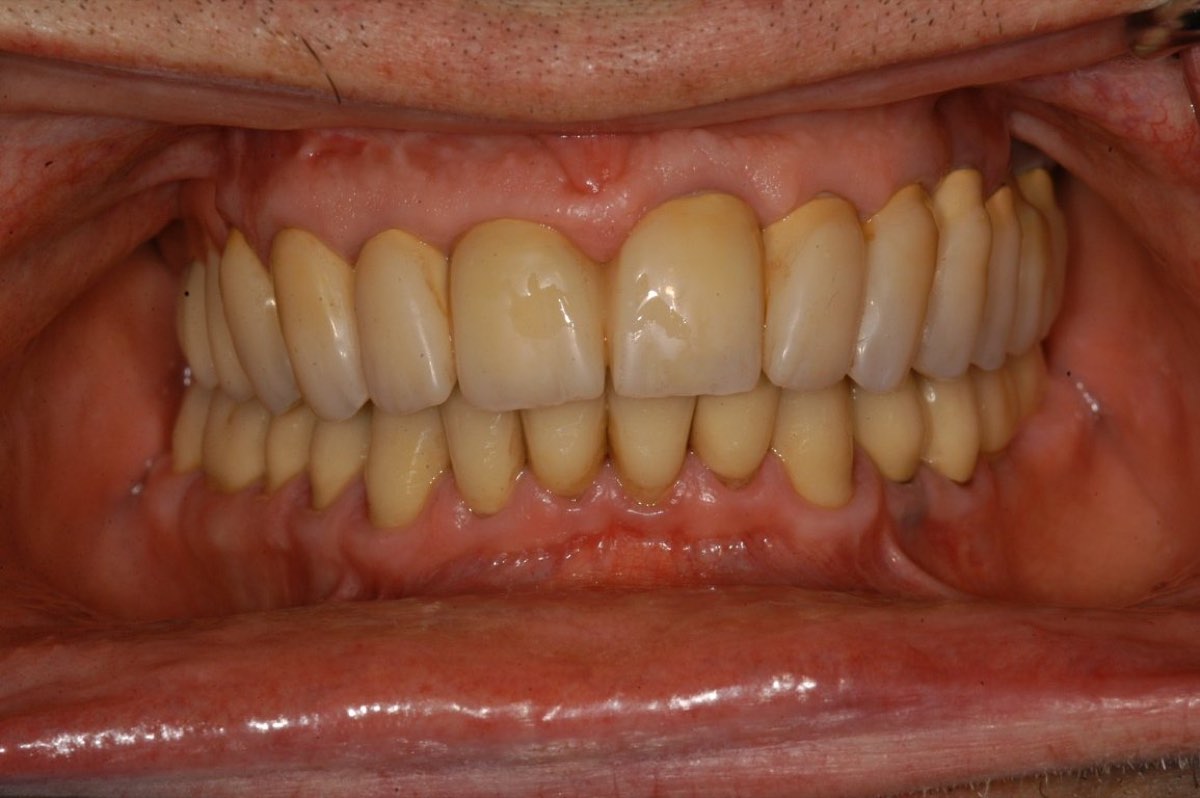
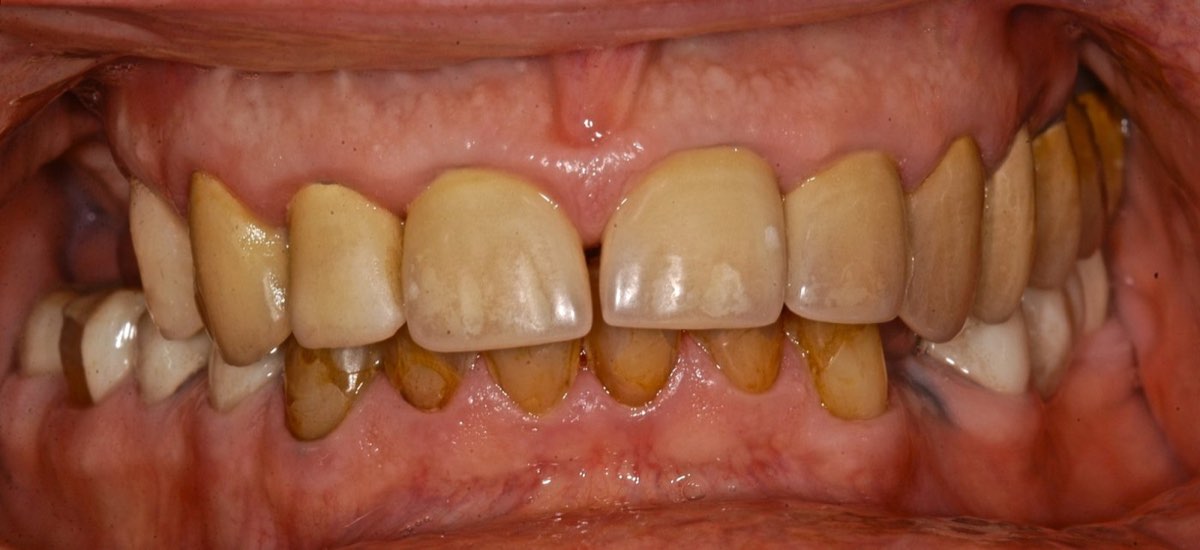
Real case · Dr. Mohammad
Treated by Dr. Mohammad in Germany. Shown with the written consent of the patient. Results can vary from one person to another.
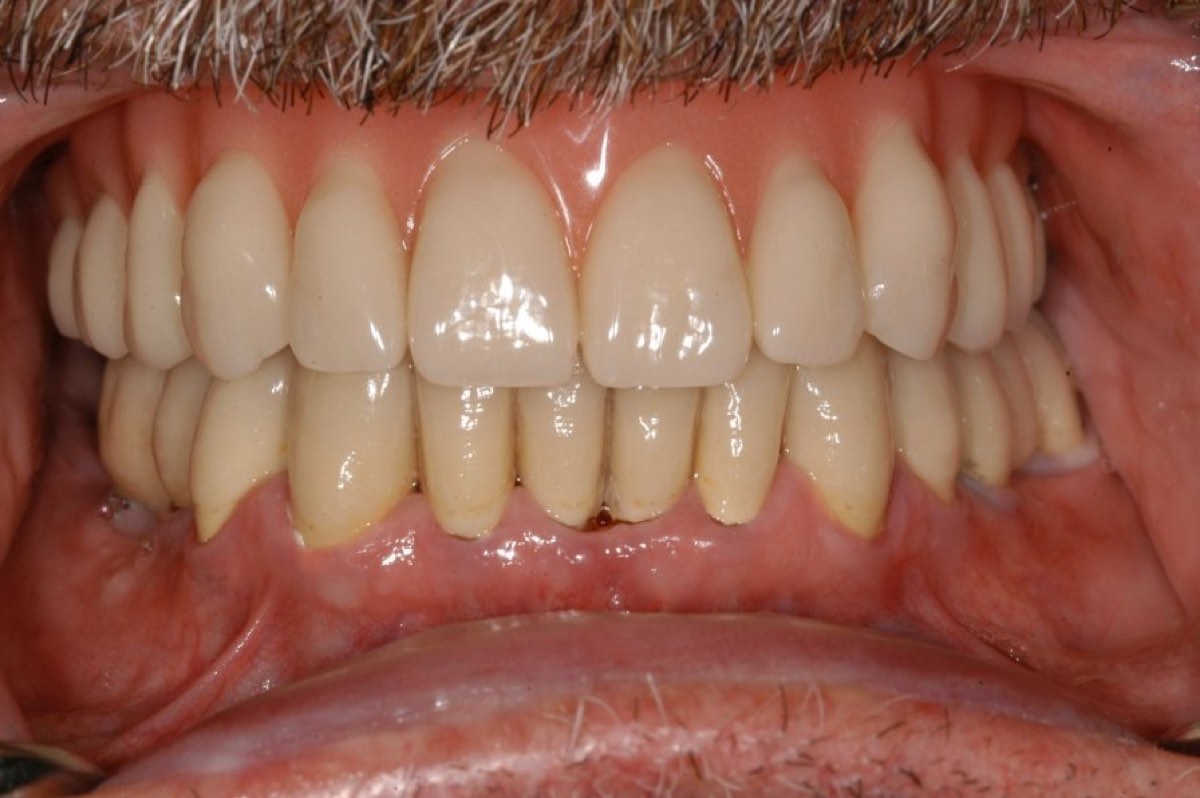
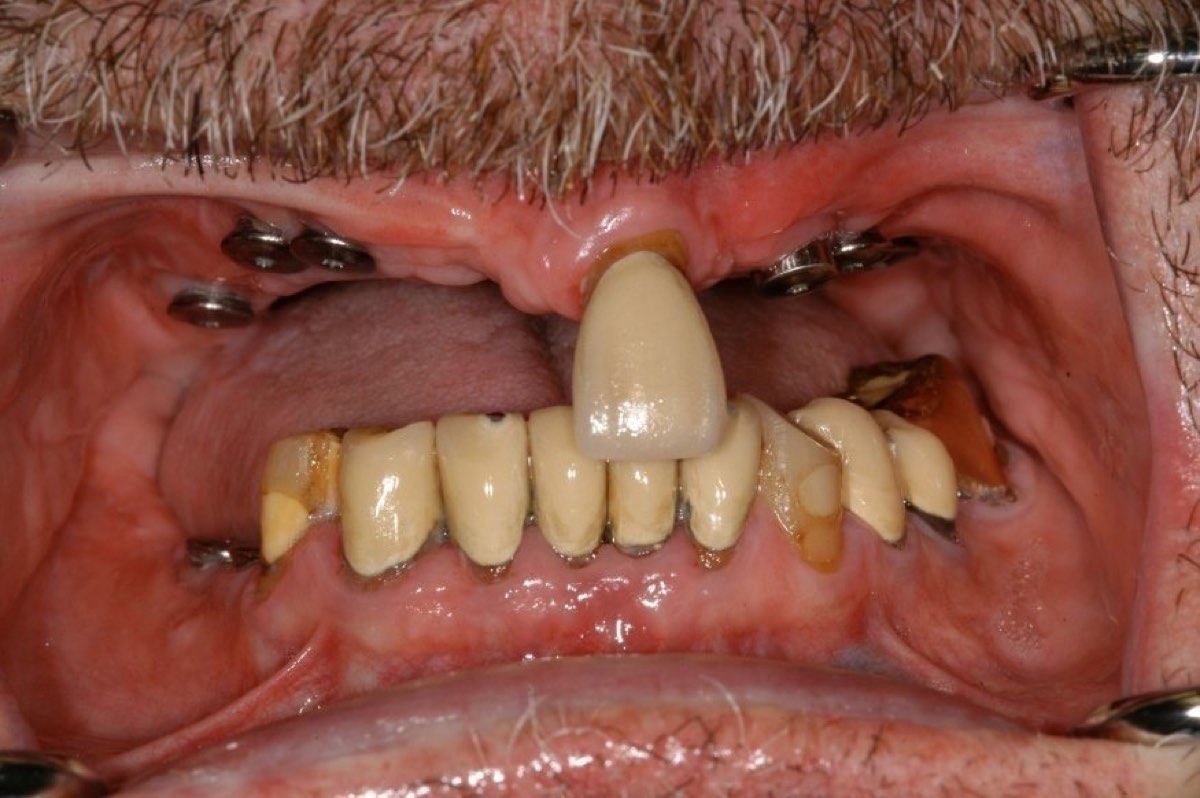
Real case · Dr. Mohammad
Treated by Dr. Mohammad in Germany. Shown with the written consent of the patient. Results can vary from one person to another.
Each part of the plan uses the treatment that fits the tooth, with the goal of keeping as much of your own tooth structure as possible.
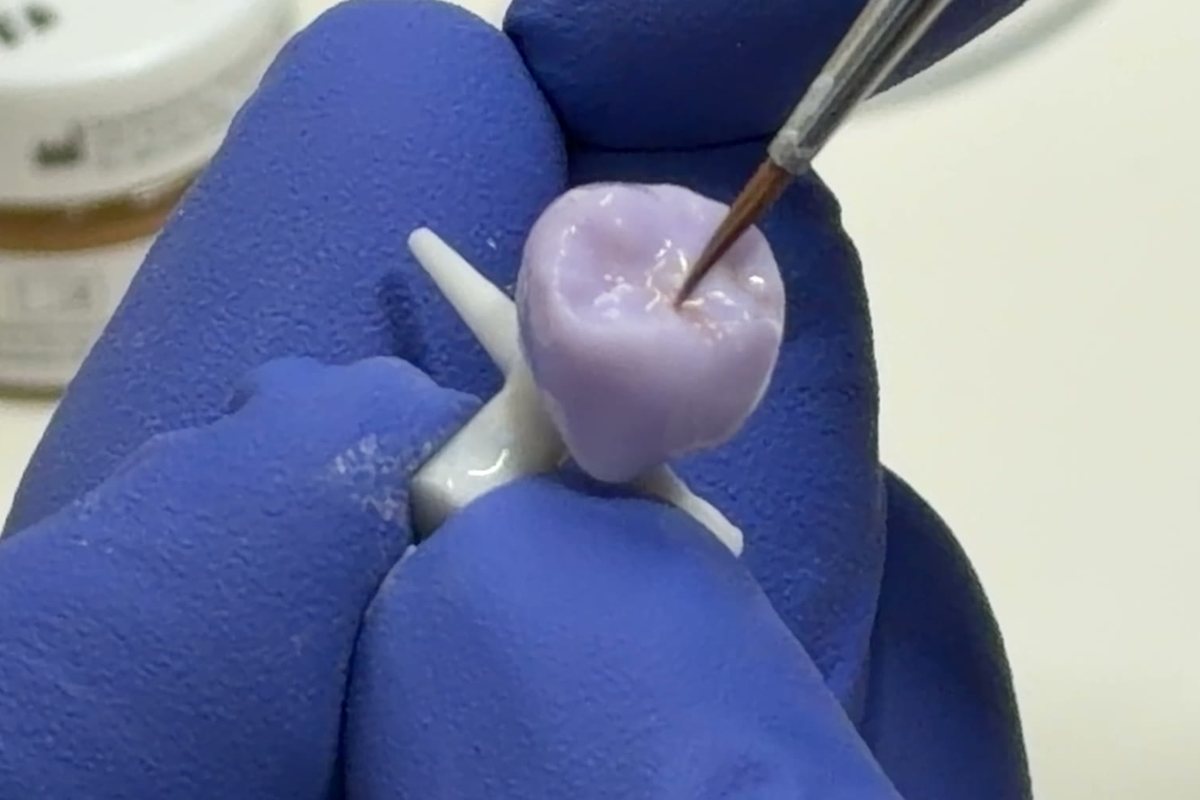
Single crowns, onlays and partial crowns are often scanned and milled in the clinic with CEREC. Larger work and bridges are made in our partner laboratory, Deutsche Technik DL in JLT. See crowns and bridges.
Front teeth that are worn or chipped can often be restored with ceramic veneers instead of full crowns, which needs less preparation.
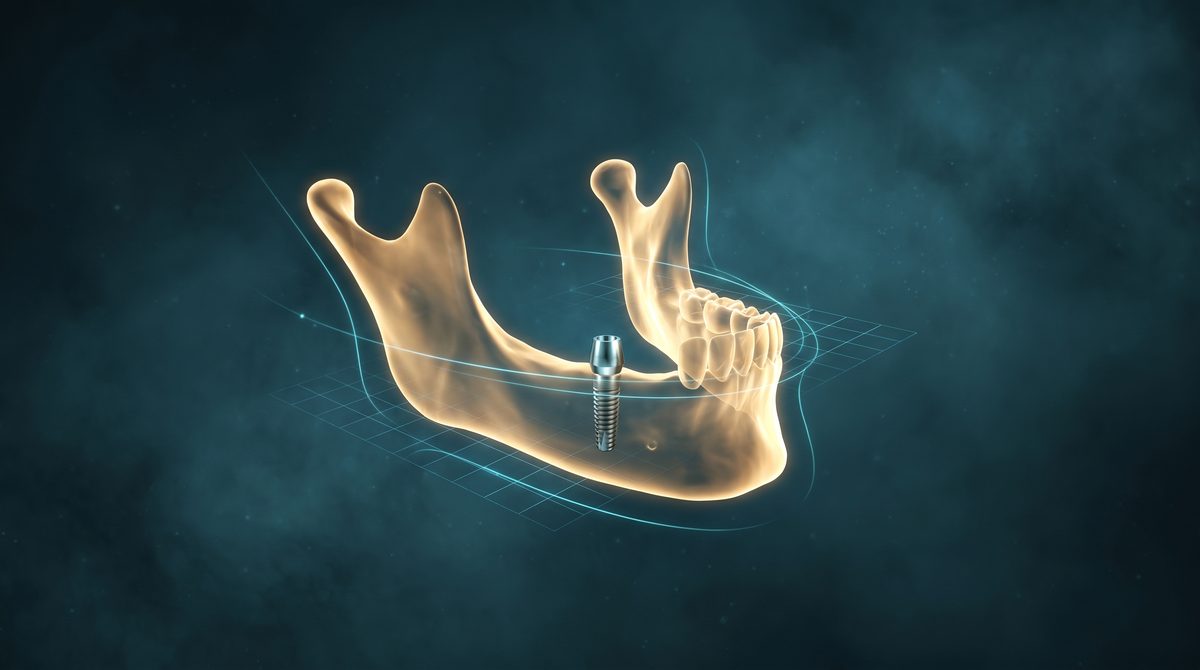
Missing teeth can be replaced with implants, planned in 3D and placed by our oral and maxillofacial surgeon, Dr. Ayse Yilmaz Bastug. Dr. Mohammad plans the teeth first and the implants second.
Inflamed gums are treated first and kept stable with our hygienist, Afra Alblooshi. Before a tooth is crowned, its nerve is tested to decide whether a root canal treatment or another treatment is needed.
Where fixed teeth are not possible or not wanted, telescopic dentures or dentures held by implants are part of the plan.
A full rehabilitation is not the only way forward, and the right choice depends on the condition of your teeth, your bite, your health and your wishes. These options are discussed at the examination.
When only a few teeth are affected and the bite is stable, single crowns, onlays or fillings can be enough. In return, the overall situation is checked regularly.
Mild wear without symptoms can often be watched with photos, scans and a night guard, and treated only if it progresses.
The plan is split into stages, for example one jaw first. This spreads time and cost, but the full plan is designed at the start so each stage fits the next.
Fixed crowns, bridges and implants feel most like natural teeth but need enough healthy teeth or bone. Removable dentures need less surgery and are easier to adapt later, but they move more and need more care.
Every rehabilitation is individual, so the time frame is too. A plan with mainly crowns and onlays on existing teeth can often be completed in a few weeks to a few months. When implants, bone grafting or gum treatment are involved, healing times add to the plan and it can take several months or longer.
A typical order is: first pain and infection, then gum health and any root canals, then teeth that need to be removed and implants if planned, then the trial phase with temporaries, and finally the definitive crowns, bridges and veneers. Some steps run in parallel.
For patients who live abroad part of the year or travel often, the plan can be arranged in blocks around your time in Dubai. Because single crowns can be made the same day with CEREC, some stages need fewer appointments than you might expect.
You receive a time plan with your treatment plan, before anything starts, and you know at every visit what comes next. If something changes along the way, for example a tooth turns out to need more treatment than expected, you hear it before anything is done and the plan is updated in writing.
A full mouth rehabilitation is a large investment of time and money, so protecting it is part of the plan from the start. The causes that damaged the teeth in the first place, such as grinding, acid or gum disease, are addressed as well, otherwise they would damage the new teeth too.
Most patients whose teeth wore down from grinding will continue to grind to some degree. A custom night guard protects the new ceramic while you sleep, and it is often the most important single step for a long lasting result.
Regular check ups let Dr. Mohammad review the bite, the crowns and the jaw joints, and small adjustments can be made early. Professional cleaning with our hygienist keeps the gums healthy around every crown edge and implant. How often you come depends on your mouth, and you get a recall rhythm that fits it.
Results can vary from person to person, and ceramic can chip or break, like natural teeth. With good care, regular checks and a night guard where needed, a well planned rehabilitation can serve you for many years.
Timeline
Full records, functional analysis, diagnosis and the written plan with costs.
Pain, infection, gum treatment and root canals where needed. Splint therapy if the jaw needs to relax.
Extractions, implants or bone grafting if planned, followed by healing time.
Temporaries in the new shape and bite, tested in daily life for several weeks.
Ceramic crowns, onlays, bridges or veneers, made in the clinic or the partner lab and fitted step by step.
Night guard, regular checks and professional cleaning.
Technology
The new teeth designed to your face.
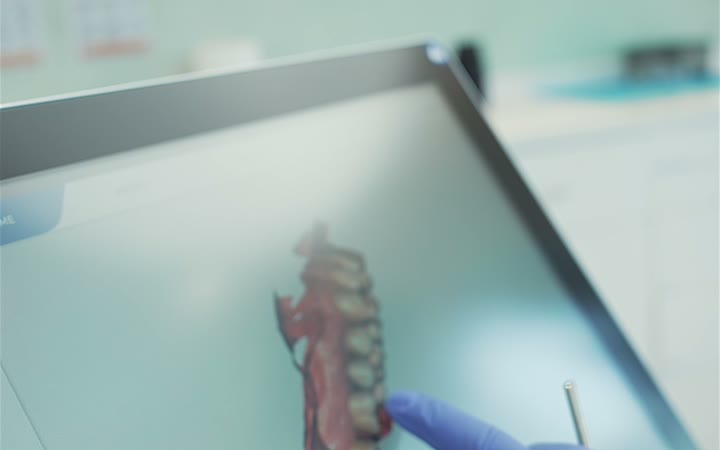
Crowns scanned and milled in the clinic.
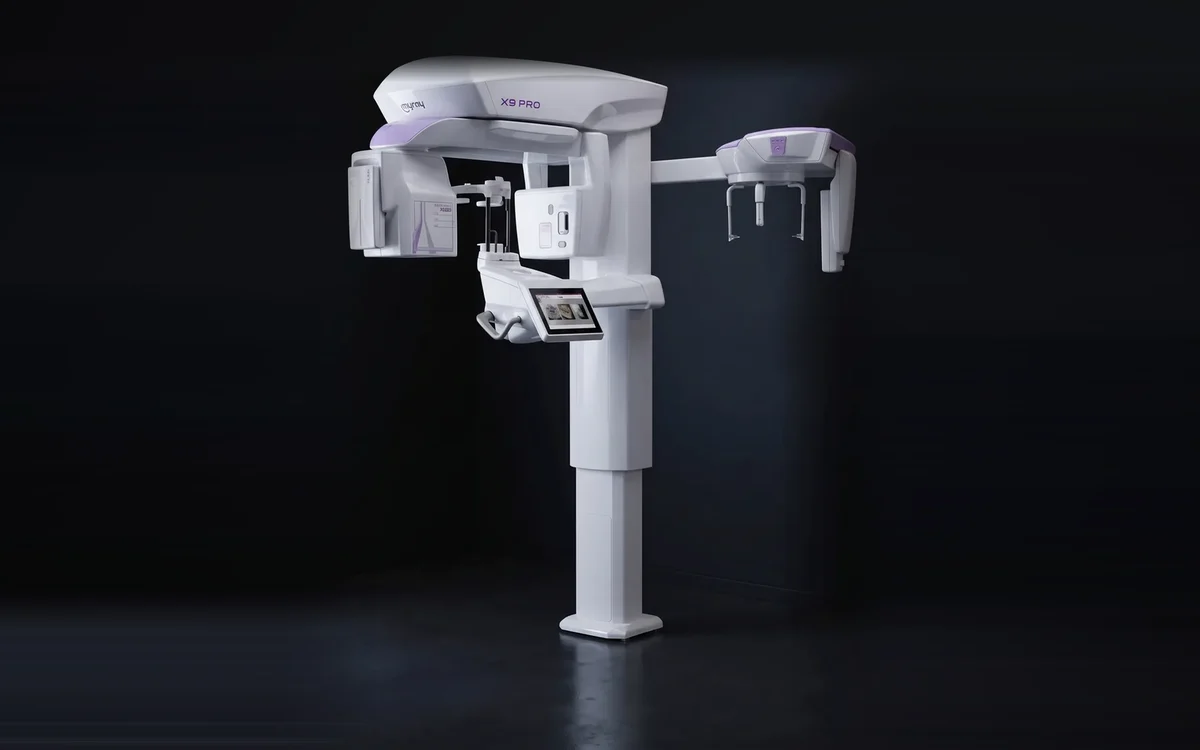
Panoramic and cone beam images on the MyRay Hyperion X9 Pro, where needed.
Myth or fact
MythA full mouth rehabilitation means crowns on every tooth.
FactNot necessarily. The plan uses the smallest treatment that protects each tooth: fillings, onlays, veneers and crowns are combined.
MythIt is mainly cosmetic.
FactThe look matters, but the main goals are a comfortable, stable bite and teeth that work for years.
MythWorn teeth are just part of getting older.
FactSome wear is normal, but heavy wear has causes, such as grinding or acid, that can be found and treated.
MythEverything has to be done at once.
FactPlans can be staged, so the treatment fits your time and budget.
More answers
Tap a question to open the answer. Anything else, ask us on WhatsApp.
A full mouth rehabilitation involves many teeth and several treatments, so careful planning is the main safety measure. These are the points we discuss openly.
Depending on the case, a few weeks to several months. With implants or bone grafting it can take longer. You get a time plan with your treatment plan.
Usually yes. Temporaries are planned where clinically appropriate. What is possible at each stage, for example after extractions or implant surgery, is explained in your plan.
Yes. The plan can be split so it fits your time and budget.
It depends on what your teeth need. After the examination you receive a written plan with all costs before anything starts.
Local anaesthetic is used when needed, and your comfort is checked throughout. Some sensitivity or discomfort can occur during or after treatment. Nitrous oxide and the Wand are available for anxious patients.
Yes. The new teeth are designed digitally with your face, and temporaries in the new shape let you test them in your mouth before the final work is made.
Often yes. The lost height is restored with onlays, crowns or veneers, after a functional analysis of the jaw. A night guard then protects the result.
Yes. Implants are planned in 3D and placed by our oral and maxillofacial surgeon, while Dr. Mohammad plans and makes the teeth on them.
Yes. The plan can be arranged in blocks around your time in Dubai, and single crowns can often be made in one visit.
Yes, at the clinic or online. Send us your plan, photos and X-rays on WhatsApp and we will tell you what we think.
That depends on your policy. We do not bill insurers directly. You pay at the clinic and receive the documents for your claim. Reimbursement depends on your policy limits, exclusions and the approval of your insurer, so check any pre approval requirements before starting extensive treatment. The first consultation is charged and credited towards your treatment. Payment by cash, card, transfer, Tabby or Tamara.
With good care, a night guard where needed and regular checks, many years. Results vary from person to person.
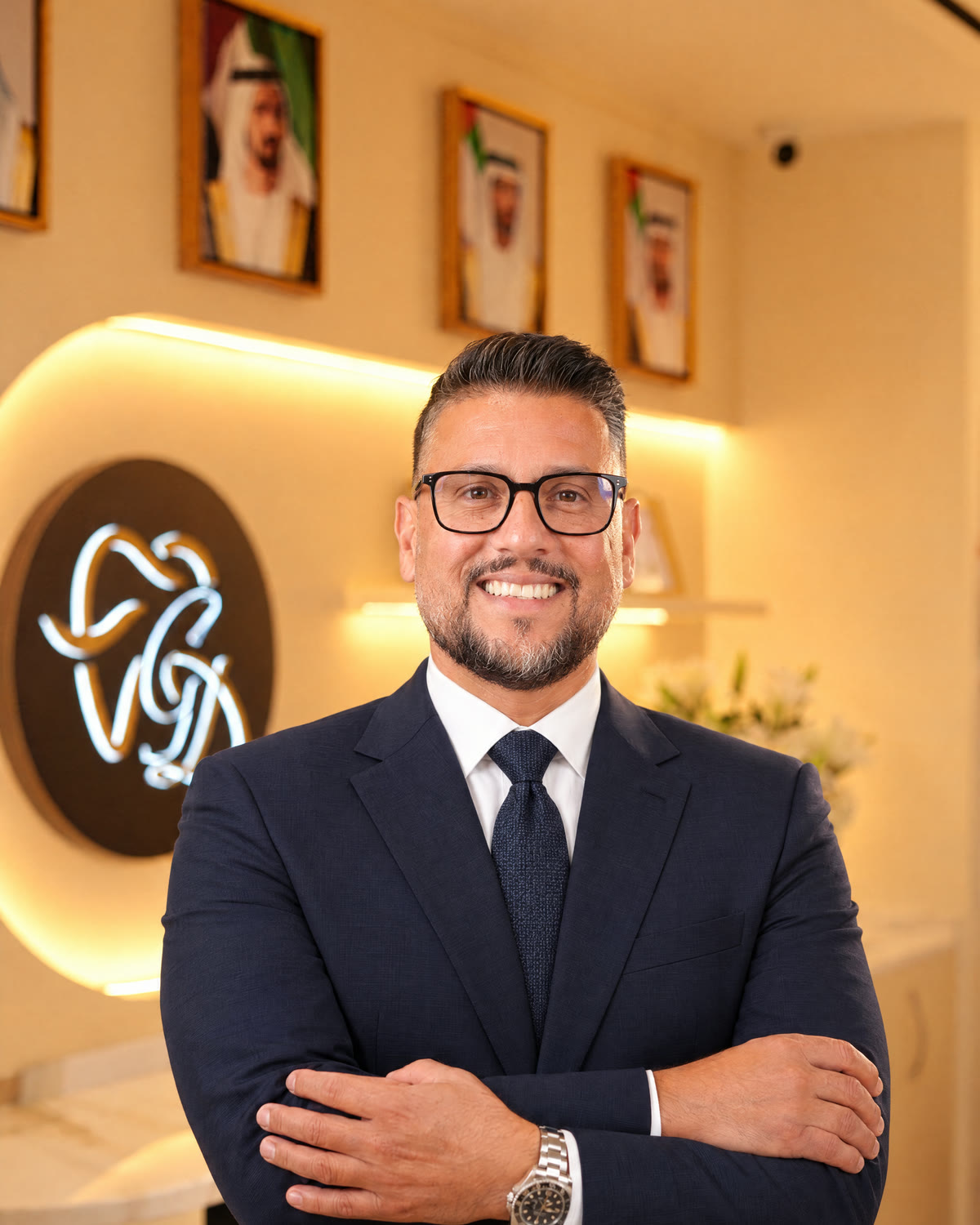
Why with Dr. Mohammad Shaker
A full rehabilitation is the core of prosthodontics, Dr. Mohammad’s specialty. M.Sc. in prosthodontics, certified expert of the German society DGPro and fifteen years in his own practice in Germany.
Dr. med. dent. · M.Sc. Prosthodontics · DHA Specialist Prosthodontist · Specialist Senior Dentistry (GER 🇩🇪)
Meet Dr. Mohammad ShakerAlso at the clinic
You are welcome
One message is enough. No forms, no call centre. You write, the clinic answers in Arabic, English or German.
Villa 21B, La Mer · Jumeirah 1 · Dubai
Sat to Thu 9:00 to 18:00 · Fri closed