Functional analysis
Clinical examination of joints and muscles.


Functional diagnostics
With jaw joint pain, teeth grinding or problems with the bite, we examine the muscles, the jaw joints and how the teeth meet. Depending on the findings, conservative measures or a custom splint can make sense.
 With Dr. Mohammad Shaker.
Patient guide
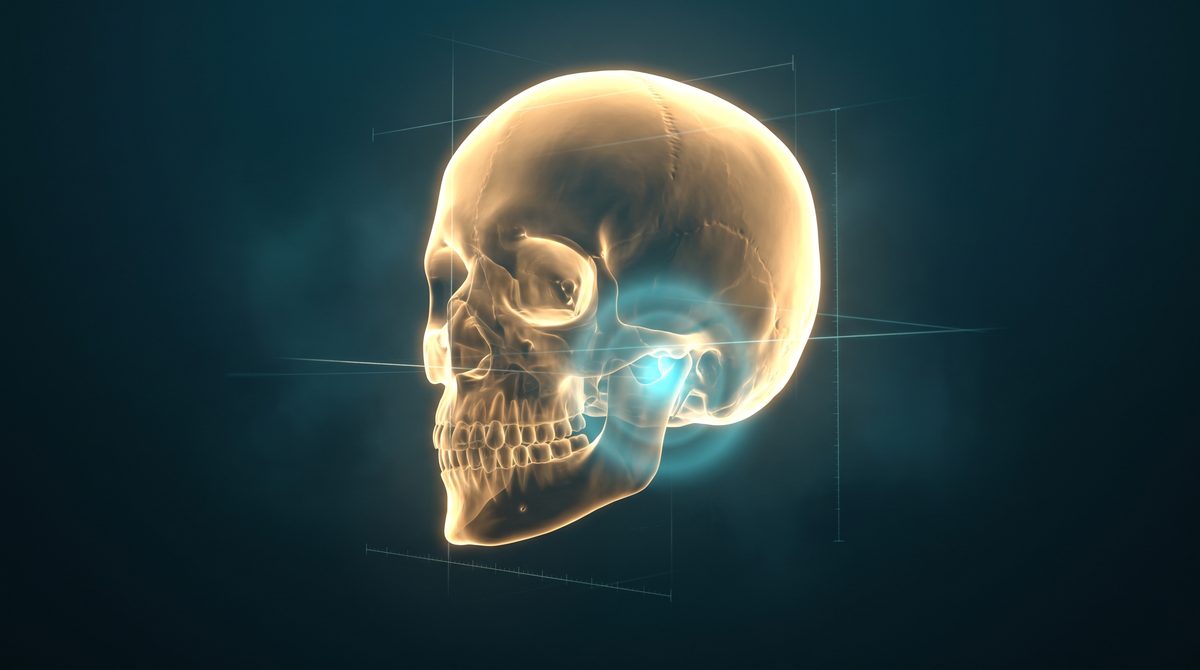
TMJ disorder, also called TMD or craniomandibular dysfunction, is a group of problems in the jaw joints, the chewing muscles and the way the teeth meet. Typical signs are pain in front of the ear, clicking or grating when you open your mouth, a jaw that feels tight or locks, morning headaches, and teeth that are worn or chipped without a clear reason.
TMD often has several contributing factors, and the exact cause may be unclear. Grinding or clenching the teeth at night or during the day, stress, posture and sometimes an injury can play a part. That is why the first step is not a drill but a careful examination of joints, muscles and bite.
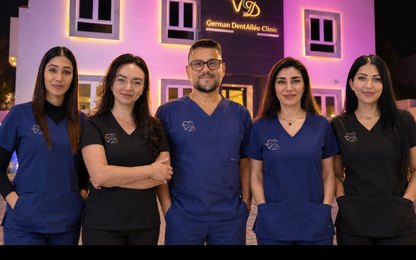
At German DentAllée in Jumeirah 1, jaw problems are assessed by Dr. Mohammad Shaker, DHA Specialist Prosthodontist and certified expert of the German Society for Prosthodontics (DGPro, 2017). Treatment usually starts with simple, reversible measures and, where suitable, a custom splint, and the symptoms are followed. Work on the teeth themselves is a separate question and is only discussed when there is a clear dental reason.
Is this for you?
Step by step
Jaw movement, joints and muscles are examined.
Your bite is recorded digitally and analysed.
Where suitable, a Michigan splint or a night guard is made to fit your teeth.
The splint is fine tuned over the next visits.
Symptoms are reviewed together. Dental repairs are a separate question, only if there is a clear dental reason.
That depends on what your teeth need, so a price without an examination would not be honest. After the examination you receive a written treatment plan with all costs, before anything starts. Payment and insurance
What changes the cost
Jaw complaints have many causes, and treatment can ease them but cannot promise that they go away. A splint takes time to get used to.
Your next step
Or call 800 433 368 (toll free) · Sat to Thu 9:00 to 18:00 · Fri closed
Jaw problems are easy to overlook, because the pain is often felt somewhere else. Many patients first see a doctor for headaches, an ear, nose and throat doctor for ear pain or a physiotherapist for a stiff neck before anyone looks at the bite.
Grinding at night usually happens without you knowing. A partner may hear it, or you notice in the morning that the jaw feels tired, the teeth are sensitive or the temples ache. Clenching during the day, at the computer, in traffic or at the gym, is just as common and often goes unnoticed.
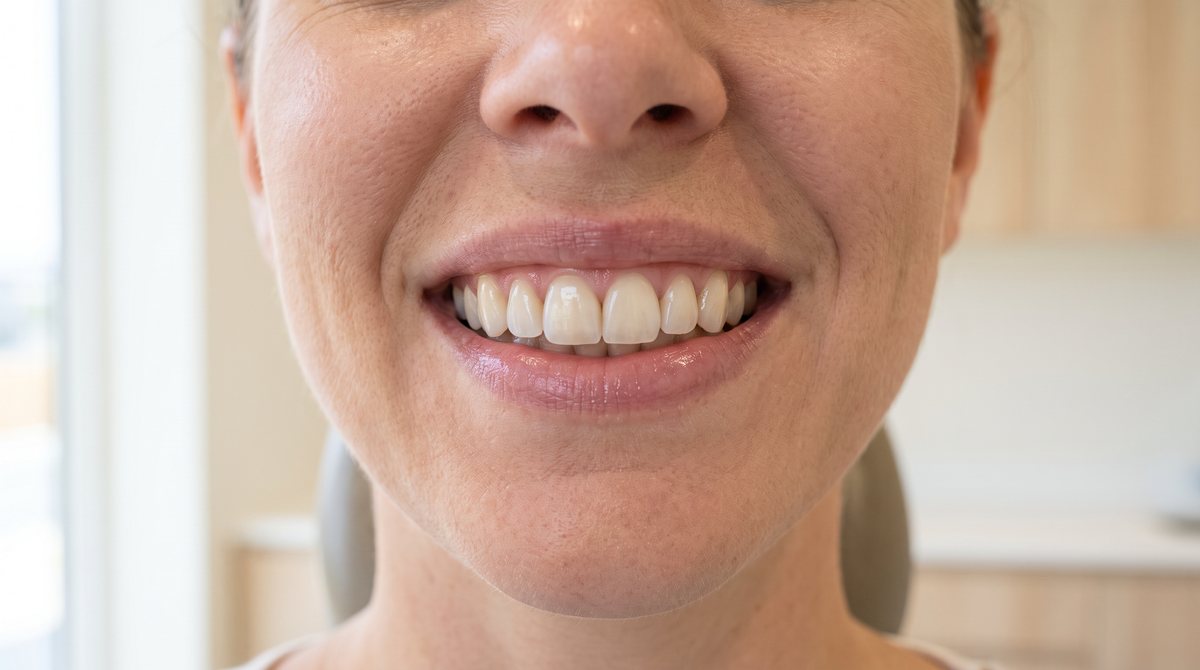
On the teeth themselves, grinding leaves traces: flat or shiny worn surfaces, small chips on the front teeth, cracks in enamel, fillings and crowns that break more often, and sensitive tooth necks. If you have veneers or crowns, these are also at risk.
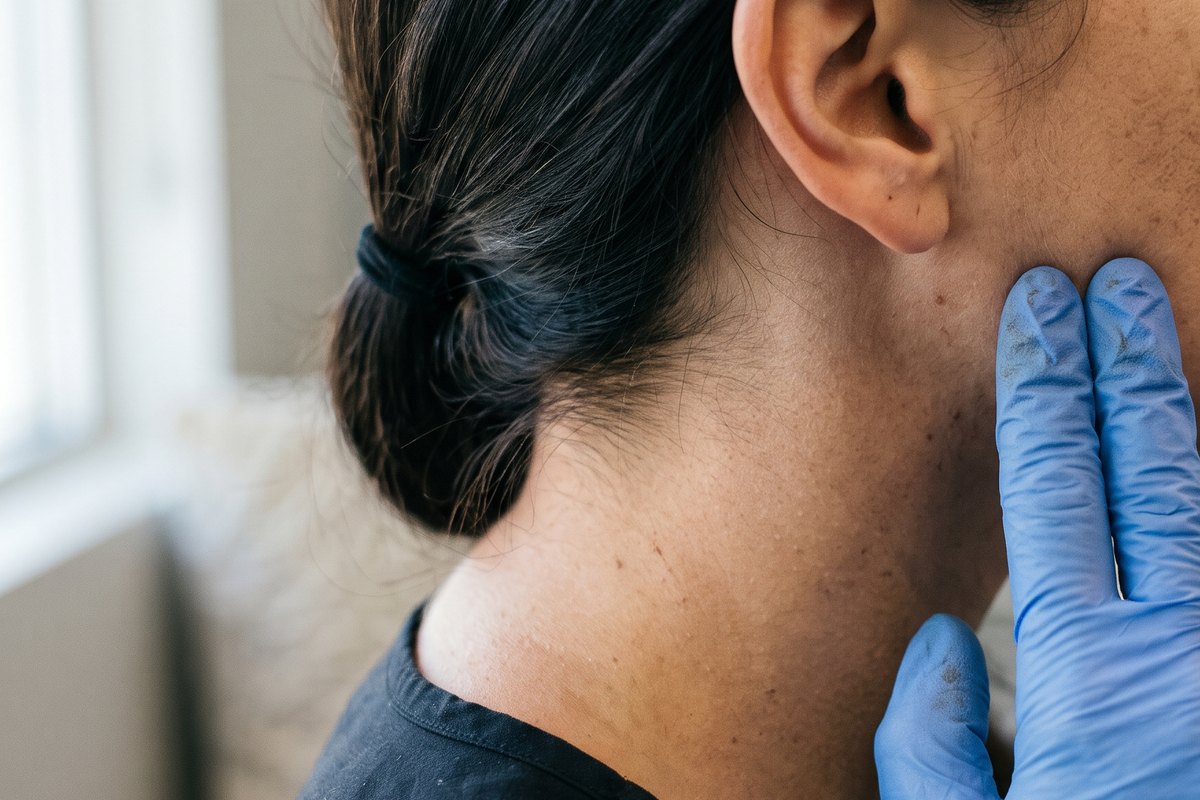
A good jaw treatment begins with a diagnosis. Dr. Mohammad examines how far and how straight your mouth opens, whether the joints click, grate or deviate, and which chewing muscles are tender. The teeth are checked for wear and for contacts that interfere when you bite or move the jaw sideways.
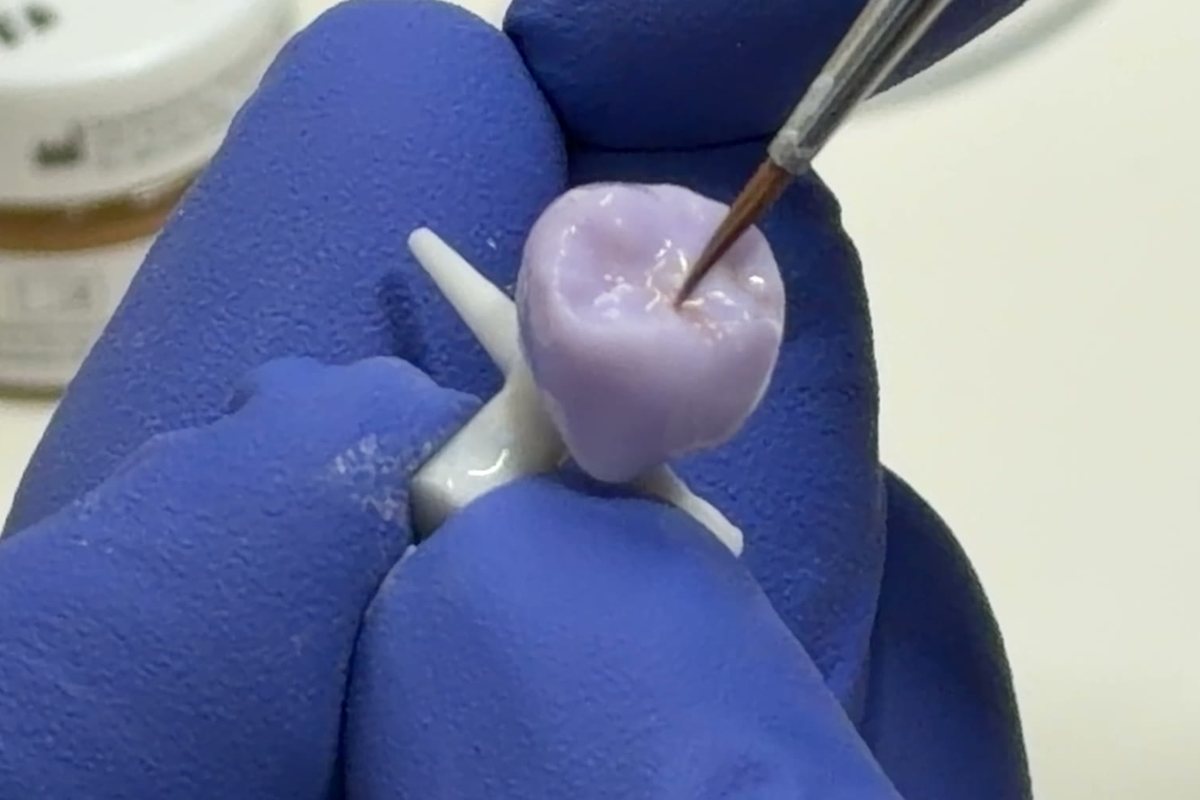
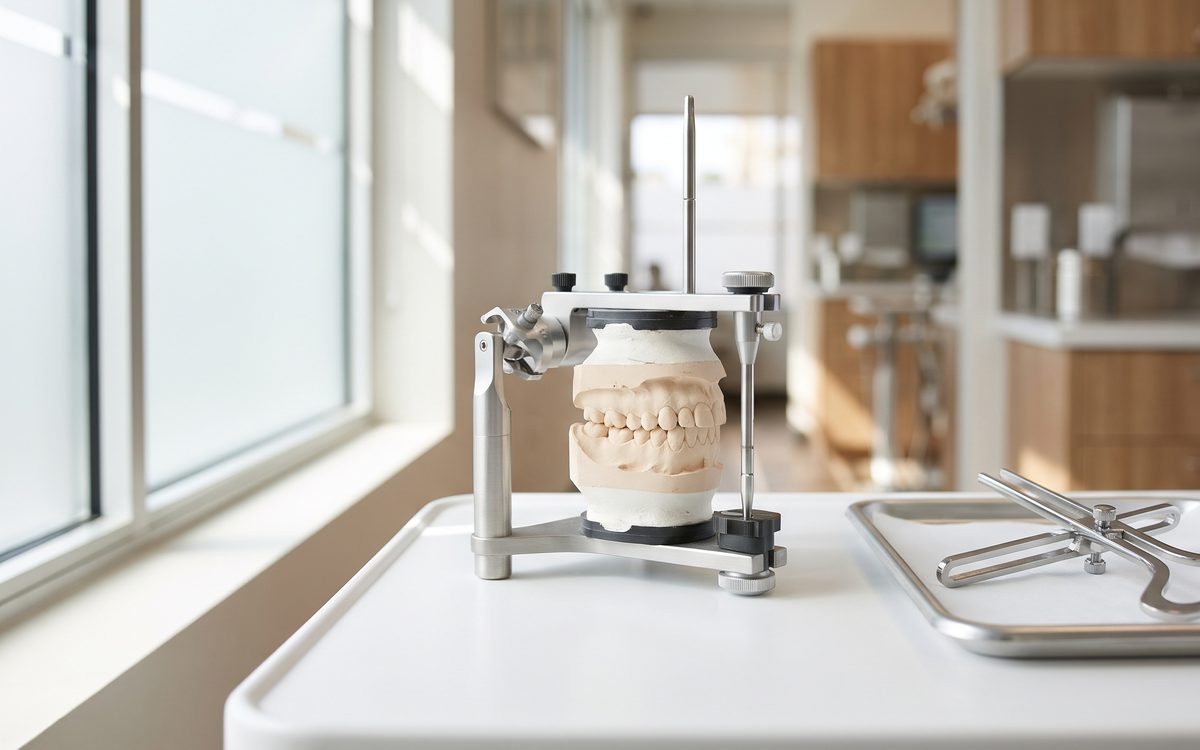
Your bite is recorded digitally with the Primescan and analysed on screen. Where the movement of the jaw needs to be studied in more detail, models are mounted in an articulator, a device that copies the movements of your jaw. If the joint itself needs imaging, the MyRay Hyperion X9 Pro in the clinic can take a cone beam scan of the jaw joints. This scan shows the bone. If a problem with the disc or other soft tissue is suspected, an MRI may be needed, which is arranged through a referral.
This approach comes from German prosthodontics, where functional analysis is a defined part of the specialty and expert reports on bite problems require it. You receive an explanation of what was found, in plain words, and a plan that starts with the gentlest effective step.
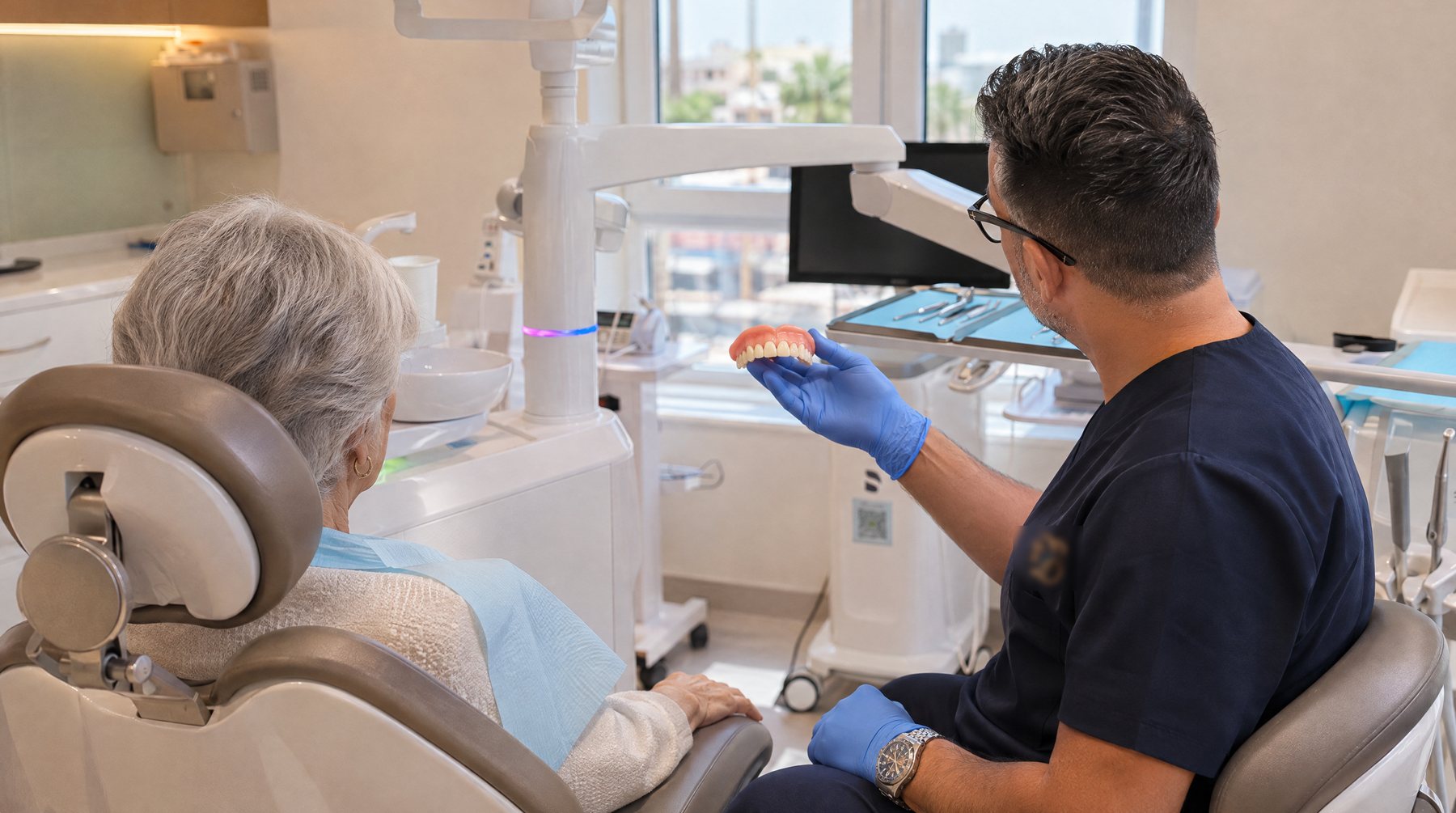
For many patients with grinding, clenching or muscle related jaw pain, a custom splint is one of the first options, alongside simple self care. It is made from a digital scan to fit your teeth closely. A splint can protect the teeth from grinding damage and may help some patients’ symptoms. Evidence for relief of TMD pain is limited, and the response varies from person to person.
A hard acrylic splint, usually for the upper jaw, with a flat surface on which the lower teeth glide smoothly. It is the classic stabilisation splint in German prosthodontics and is used for grinding, clenching and muscle pain. It is adjusted precisely in the clinic so that all teeth touch evenly.
A thinner protective splint that mainly protects teeth, veneers and crowns from wear at night. It can be hard, soft or a combination of a soft inner and hard outer layer, depending on your needs.
A custom made guard for contact sports and martial arts, which protects teeth and jaws from impact. It usually fits better than a boil and bite guard, so it stays in place more reliably and breathing and speaking are easier.
A custom splint that holds the lower jaw slightly forward during sleep and can reduce snoring. If sleep apnoea is suspected, a sleep study by a physician comes first.
A splint is not a product you take home and forget. In the first weeks it is fine tuned at short follow up visits, because the muscles relax and the jaw position can change slightly. The contacts are checked and corrected until the splint feels comfortable and stable.
Some patients notice that morning tension and headaches become less within a few weeks, others need longer or notice little change. Clicking may or may not change, and a joint that clicks without pain often does not need further treatment. We look at how symptoms develop over several weeks and adjust the plan accordingly.
A splint can protect your teeth and may ease muscle tension. The habit of grinding itself often reduces, especially when stress is addressed. We give you simple exercises and habits for the day: lips together, teeth apart, tongue resting on the palate. Where neck and posture are involved, we recommend physiotherapy alongside.
In the first nights a splint can feel unfamiliar. More saliva, a slight pressure on the teeth and slightly different speech are common while you get used to it, and sleep may be lighter for a few nights. Work, sport and daily life can continue as usual. If symptoms persist, other options are discussed, such as pain relief advised by your doctor or dentist, physiotherapy, approaches for stress and habits, and referral to a specialist for persistent pain or a jaw that locks. Not every patient needs a splint.
How long you wear a splint depends on the cause. Some patients need it for a few months during a stressful phase, others wear a night guard for years to protect their teeth and restorations, much like glasses protect the eyes. Splints wear over time and are checked at your regular visits. When the surface is worn or the fit changes, it is relined or replaced.
Some patients with jaw symptoms also have dental problems of their own: many missing back teeth, teeth that have worn down a long way, or crowns and bridges that no longer fit together. These are treated because the teeth need it, as a separate indication, not as a treatment for TMD. Permanent changes to the bite have not been shown to treat TMD, and an improvement with a splint does not mean that the bite has to be changed.
Depending on the finding, worn or broken teeth can be restored with onlays, crowns or veneers, sometimes as a full mouth rehabilitation planned in stages. Missing teeth can be replaced with implants or bridges. A single clearly defined interference, for example a new filling that is too high, can be corrected with a careful occlusal adjustment.
These are not first steps for jaw pain. Irreversible changes to the teeth are only considered when there is a clear dental reason and the diagnosis is clear. Many patients never need them.
When a larger rebuild is planned, it is usually first tried with temporaries in the planned height and shape. You wear them for some weeks and the result is checked before anything is made in ceramic. Temporaries allow the plan to be assessed and adjusted, but they cannot guarantee the final outcome.
Grinding is a common reason why ceramic crowns and veneers chip. If you are planning veneers, crowns or other cosmetic work, the bite is checked first, and a night guard is often part of the plan. This helps protect both your own teeth and the new restorations.
Grinding can also make teeth sensitive. Worn tooth necks can be protected with desensitising treatment or small fillings, and chipped edges can be rebuilt with composite. Before any of this, the load should be reduced, otherwise the repairs wear down quickly too.
Children grind too, often during phases of growth or when they change teeth. In most cases this passes and needs no treatment, but if it is heavy or causes pain, we look at it during a regular check up.
Grinding and snoring can also be linked to how you sleep. Loud snoring, pauses in breathing that a partner notices, or waking up unrefreshed can point to sleep apnoea, which belongs in the hands of a physician first. We will tell you if your symptoms suggest a sleep study before a splint is made.
Many jaw problems improve with simple daily habits, alongside or even before a splint. They cost nothing and are often an important part of long term care.
Notice clenching during the day. Small reminders help, for example a sticker on your screen or steering wheel: lips together, teeth apart, tongue resting lightly on the palate. When the jaw is painful, choose softer food for a few days, cut food into small pieces and avoid chewing gum, very hard bread and wide yawning.
Warmth on the cheeks in the evening, gentle massage of the chewing muscles and the stretches we show you can relax tense muscles. Caffeine late in the day and alcohol in the evening can make night grinding worse for some people. Stress plays a large role, so anything that helps you unwind, from sport to a calmer evening routine, also helps the jaw.
If pain is sudden and strong, the jaw locks open or closed, or symptoms come with swelling or fever, contact us the same day.
Timeline
Conversation about symptoms, examination of joints and muscles, digital scan of the bite. Imaging if needed.
The splint is made from the scan. The delivery date and review schedule are confirmed after the assessment.
Fitting and adjustment of the splint. Instructions and simple exercises.
Short follow ups to fine tune the contacts as the muscles relax.
Review of symptoms. Decide together whether the current measures are enough or other options are useful.
Splint checks at your regular visits. Dental repairs only if there is a separate dental reason.
Technology
Clinical examination of joints and muscles.
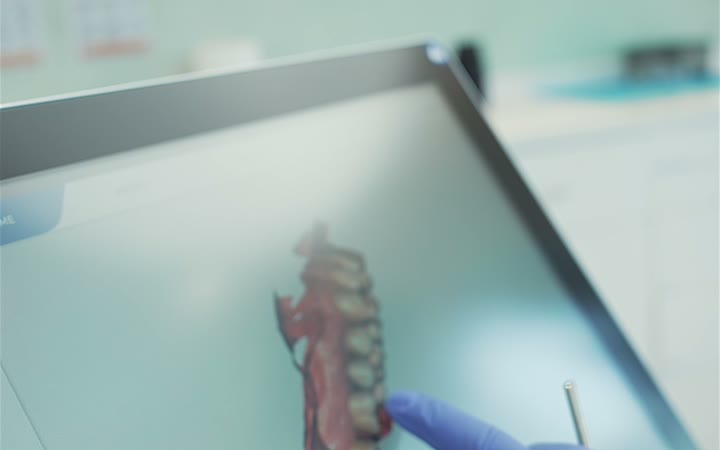
Your bite recorded with the scanner and checked on screen.
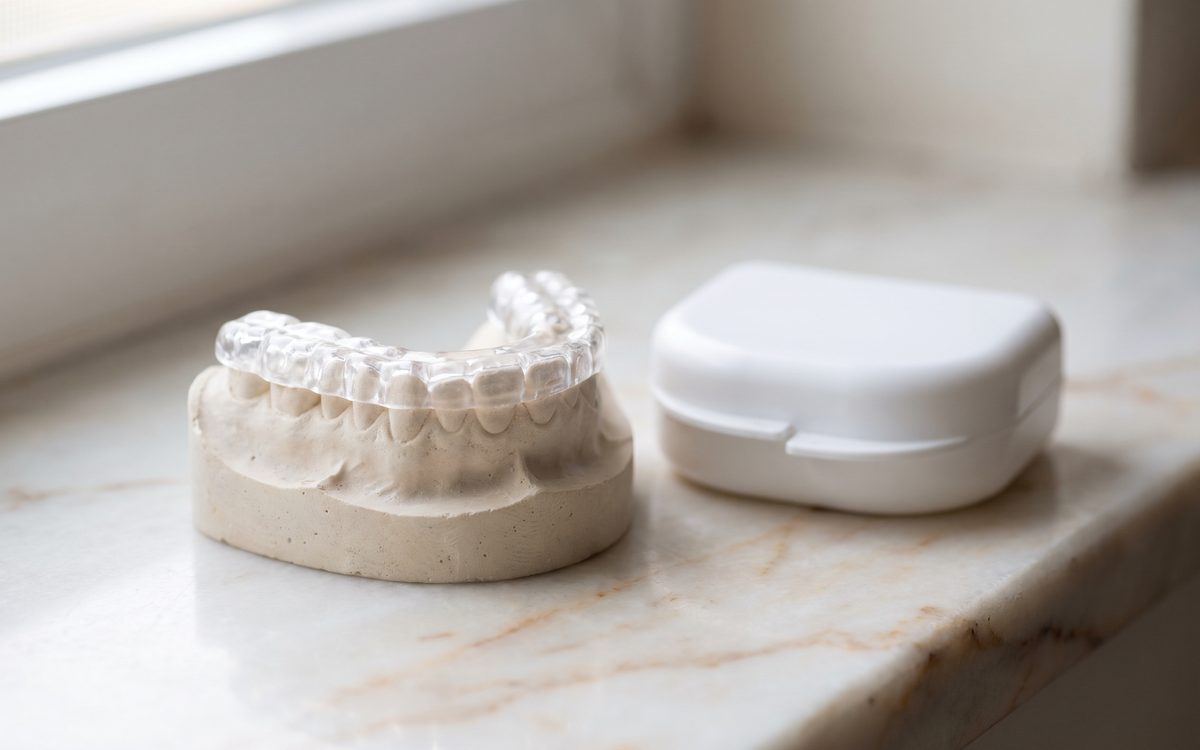
Hard, soft or combined, made from a scan.
Myth or fact
MythA clicking jaw always needs treatment.
FactA joint that clicks without pain or restriction often needs no treatment, just observation.
MythA splint cures grinding.
FactIt can protect the teeth and may ease symptoms for some patients. The habit itself often reduces with stress management and awareness.
MythJaw pain means the teeth must be ground down.
FactIrreversible changes to the teeth are not a first step for jaw pain. Symptoms often improve with simple, reversible measures.
MythA shop guard is just as good.
FactIt can protect for a short time, but it does not fit precisely and cannot be adjusted to your bite.
More answers
Tap a question to open the answer. Anything else, ask us on WhatsApp.
Splint therapy is reversible and usually well tolerated. The main risks come from splints that do not fit or are not followed up.
All three sit over the teeth at night. They differ in fit, purpose and how precisely they can be adjusted.
| Michigan splint | Custom night guard | Shop guard | |
|---|---|---|---|
| Made from | Hard acrylic, from your scan | Hard, soft or dual layer, from your scan | Soft plastic, shaped at home |
| Purpose | Protect teeth, may ease muscle symptoms | Protect teeth and restorations | Basic protection |
| Adjusted by the dentist | Yes, at the fitting and at follow up visits | Yes | No |
| Fit and comfort | Exact | Exact | Often bulky, can loosen |
| Suited to | Grinding, clenching, muscle pain | Grinding, veneers and crowns | Short term, until a custom guard is made |
It can protect your teeth from grinding damage and may ease muscle symptoms. The habit itself often reduces, especially with stress management or physiotherapy.
That depends on the problem. Hard splints are standard for grinding, soft ones for some short term uses.
Common signs are a tired jaw or headache in the morning, worn or chipped teeth and a partner who hears it. We can see the traces on your teeth at the examination.
Often several factors play a part, such as grinding or clenching, stress, posture and sometimes an injury, and the exact cause may be unclear. The examination looks at all of these.
Some patients notice less morning tension within a few weeks, others need longer or notice little change. The review schedule is agreed after the assessment.
Sometimes, yes. Mild symptoms often improve with rest, soft food and less clenching. If pain persists or the jaw locks, an examination makes sense.
Not always. The clinical examination often answers the question. A cone beam scan in the clinic shows the bone of the joint. If a problem with the disc or other soft tissue is suspected, an MRI may be needed through a referral.
Yes, custom made for contact sports.
Jaw problems often involve neck and posture. Where it helps, we recommend physiotherapy alongside.
Yes. A custom splint can keep the lower jaw slightly forward at night to reduce snoring.
If you grind or clench, we usually recommend one. It protects the ceramic and your own teeth.
It depends on the type of splint and the number of adjustment visits. You receive a written plan with all costs before anything is made. The first consultation is charged and credited towards your treatment if you go ahead.
That depends on your policy. We do not bill insurers directly. You pay at the clinic and receive the documents you need to submit a claim. Please check with your insurer about cover and any preauthorisation for the assessment, imaging or a splint.

Why with Dr. Mohammad Shaker
As a certified expert of the German society for prosthodontics (DGPro, 2017), Dr. Mohammad assesses bite problems the way German expert opinions demand: measured first, treated second.
Dr. med. dent. · M.Sc. Prosthodontics · DHA Specialist Prosthodontist · Specialist Senior Dentistry (GER 🇩🇪)
Meet Dr. Mohammad ShakerAlso at the clinic
You are welcome
One message is enough. No forms, no call centre. You write, the clinic answers in Arabic, English or German.
Villa 21B, La Mer · Jumeirah 1 · Dubai
Sat to Thu 9:00 to 18:00 · Fri closed