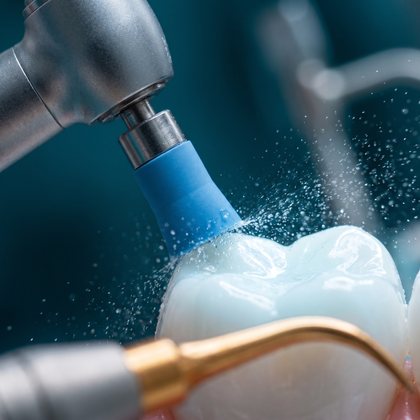
Child prophylaxis
Cleaning and fluoride adapted for children.


Family & children
We look after families with a focus on prevention, gentle treatment and long term oral health. For every age we put together a suitable treatment plan.
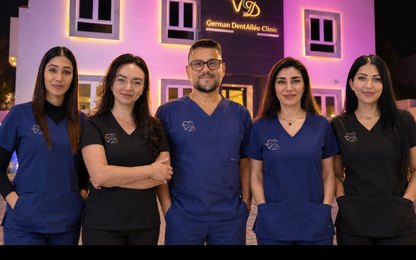
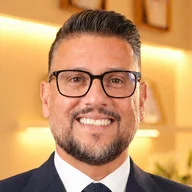 At German DentAllée Clinic, led by Dr. Mohammad Shaker, Medical Director and DHA Specialist Prosthodontist.
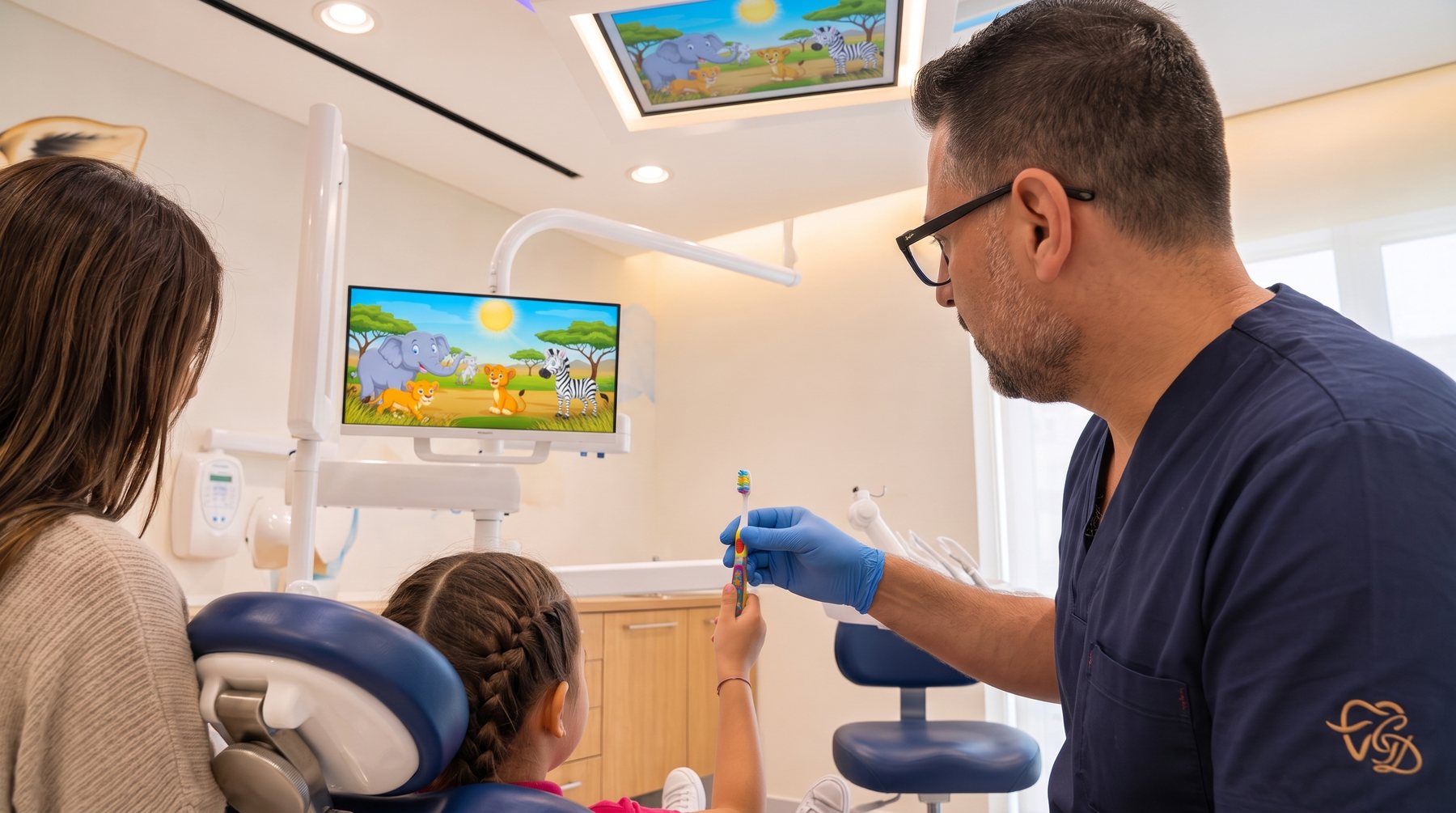
Patient guide
A family dentist looks after every age in one place: babies with their first tooth, school children, teenagers, parents and grandparents. At German DentAllée Clinic in Jumeirah 1, Dubai, the whole family is seen by one team, each with an individual record, and appointments can be booked back to back on the same afternoon.
That is more than convenience. Many dental problems run in families, from the way teeth come through to snacking habits and gum disease. When the same team knows the parents and the children, it sees patterns early and can give advice that fits your home, not a leaflet.
For children, the most important goal is simple: that they grow up without fear of the dentist and with healthy teeth. That is why prevention comes before treatment, the first visits are mostly about getting comfortable, and nothing is forced. This guide explains when your child should first come, what happens at each age, how decay is prevented and what we do when a child is anxious.
Is this for you?
Step by step
Children get to know the chair, the light and the team before anything is done.
Child friendly cleaning, fluoride and sealing of grooves where useful.
Simple advice on brushing, snacks and drinks.
Early assessment and treatment can reduce the risk that small problems grow. Nitrous oxide can help anxious children relax.
Parents and children in one visit.
That depends on what your teeth need, so a price without an examination would not be honest. After the examination you receive a written treatment plan with all costs, before anything starts. Payment and insurance
What changes the cost
Children react differently to treatment, so we go step by step and never force anything. Some treatments for children may be referred to a specialist.
Your next step
Or call 800 433 368 (toll free) · Sat to Thu 9:00 to 18:00 · Fri closed
With the first tooth, and at the latest around the first birthday. That may sound early, but early visits are short and friendly. The child sits on a parent’s lap, the teeth are counted and looked at, and you get advice on brushing, bottles, night feeding and snacks. Decay in baby teeth can start very soon after they appear, especially with sweet drinks or milk at night.
After that, most children come every six months. The visits adapt to the child’s age: first just looking, then getting to know how the chair moves, then a gentle cleaning, and only if needed a small treatment. Children who have only had pleasant visits by the time they need a filling often cope better. You hear how long to reserve when you book, and larger treatment may be split into separate appointments.
Talk about the visit in a calm, positive way. Avoid words like "pain", "needle" or "it will not hurt", because they plant the idea. Books or a toothbrush game at home help. Morning appointments often work well for small children, when they are rested.
Most decay in children can be prevented. Preventive care includes cleaning, fluoride varnish, fissure sealants and dietary advice, and the plan is adapted to your child’s risk.
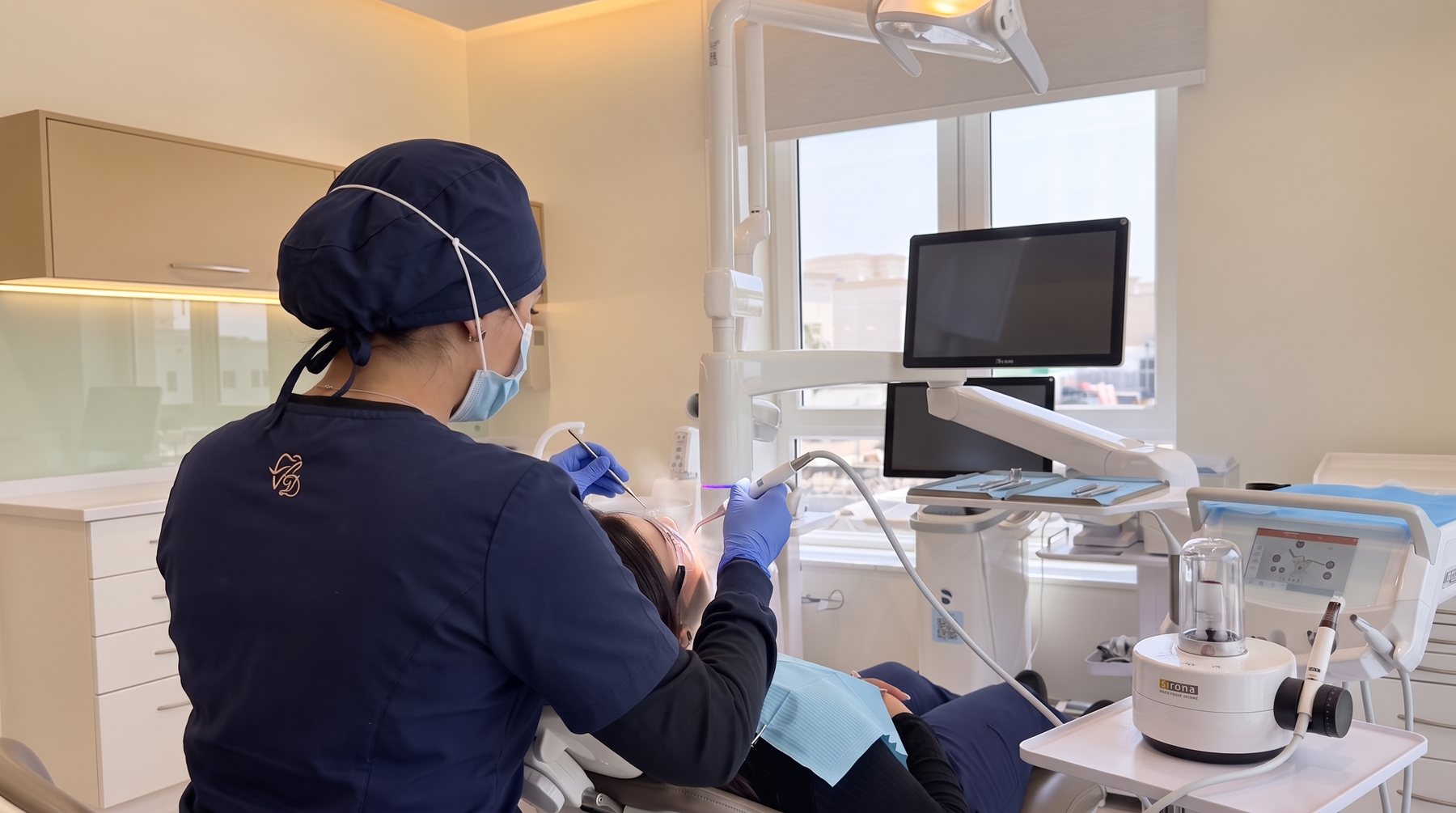
A gentle cleaning adapted to children, with polishing and practice of brushing technique. Parents watch and learn, because until around the age of eight, children need help to brush well.
Fluoride varnish is painted on the teeth and strengthens the enamel against acid. At home, a fluoride toothpaste in the right amount for the age is the most important protection.
The back teeth have deep grooves where food and bacteria settle. Once the first adult molars come through, usually around the age of six, these grooves can be sealed with a thin, tooth coloured coating. It is quick and needs no drilling or anaesthetic.
Both the amount of sugar and how often it is eaten or drunk affect the risk of decay. Juice, sweetened milk, dates and sticky snacks sipped and nibbled through the day give bacteria constant fuel. You get simple, realistic advice that works in a family routine.
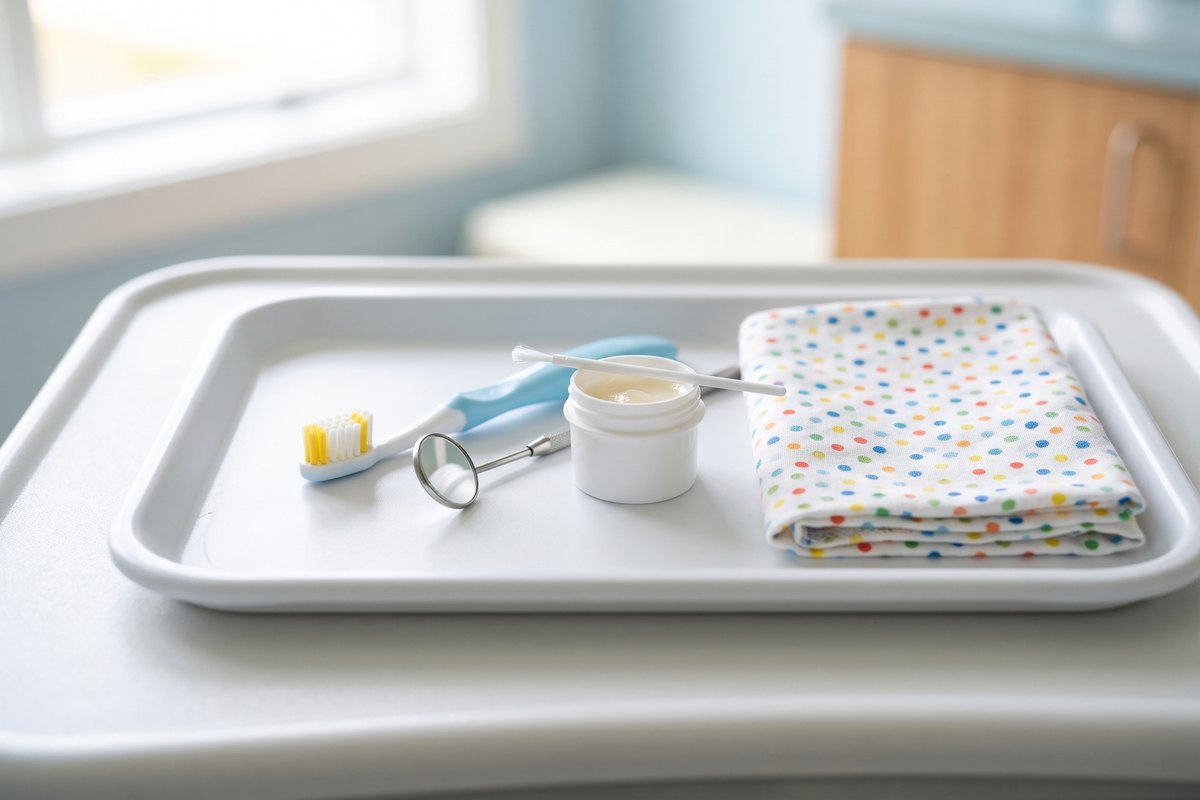
If a baby tooth has decay, it still needs care. Baby teeth hold space for the adult teeth, help children chew and speak, and an infected baby tooth can hurt and affect the adult tooth below it. Early assessment and treatment can reduce the risk that small problems grow.
When anaesthetic is needed, the gum is numbed with a gel first. Computer controlled anaesthesia with the Wand delivers the anaesthetic slowly and evenly, which can help reduce discomfort during the injection.
Fear of the dentist is often learned, and it can be unlearned. We take time, explain everything with simple words and let the child touch and see the instruments first. Nothing is forced. If a child is not ready today, we stop and try again next time. Parents can stay in the room.
For children who are very anxious or have a strong gag reflex, nitrous oxide can help. The child breathes a mix of nitrous oxide and oxygen through a small nose mask, feels calm and relaxed, stays awake and can talk to us. Before it is used, we check whether it suits your child, because for example a blocked nose or certain medical conditions can rule it out. The effect usually wears off within minutes after the mask is removed, and your child goes home once we have checked that they have recovered. More on our nitrous oxide page. Intravenous sedation and general anaesthesia are not part of our treatment.
And sometimes the most anxious person in the room is the parent. Tell us. We plan more time, explain the plan to you first, and a child who sees a calm parent relaxes more easily.
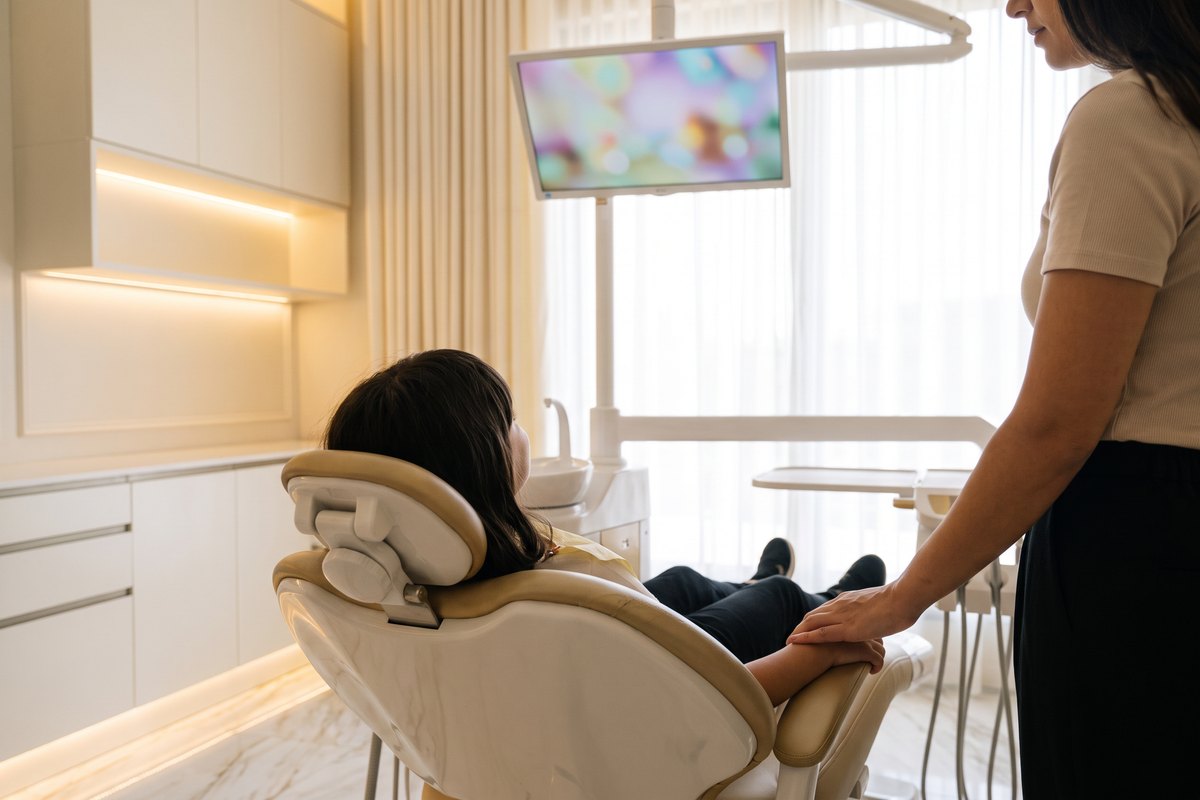
Filmed in the clinic
The clinic on La Mer, Jumeirah 1.
Many parents ask about habits that might affect their child’s teeth. Most are harmless in small children and stop by themselves. Some are worth watching, because over the years they can change how the teeth and jaws grow.
Sucking is a natural comfort for babies and toddlers. If it stops by around the age of three or four, the teeth usually settle by themselves. If it continues while adult teeth come through, it can push the front teeth forward and create an open bite. We look at the bite at every visit and help you find a gentle way to wean your child off, without pressure or shame.
A child who breathes through the mouth most of the time, snores or sleeps with the mouth open may have enlarged tonsils or a blocked nose. Mouth breathing dries the gums and can influence the growth of the jaws. If we notice it, we recommend a check with your paediatrician or an ear, nose and throat doctor.
Grinding is common in children and often happens while the teeth are changing. It usually stops without treatment. We check the teeth for unusual wear and tell you if anything needs to be done.
These habits can chip the edges of front teeth and stress the gums. A friendly word from the dentist sometimes helps more than reminders at home.
The teenage years bring new questions. Crowded or crooked teeth may be corrected, and for suitable teenagers and adults clear aligners are an option. With braces or aligners, cleaning becomes more important, because plaque around brackets can leave white spots on the enamel.
Teenagers who play contact sports can have a custom mouthguard fitted to their teeth, and the dentist can advise on suitable protection for the sport. Wisdom teeth are assessed clinically, and a panoramic X-ray is taken only when it is clinically needed. If they lack space, our DHA specialist oral and maxillofacial surgeon, Dr. Ayse Yilmaz Bastug, who is in the clinic on Tuesdays and when needed, can advise on whether and when to remove them, see wisdom teeth. Habits such as energy drinks, smoking or vaping are discussed openly, without lectures.
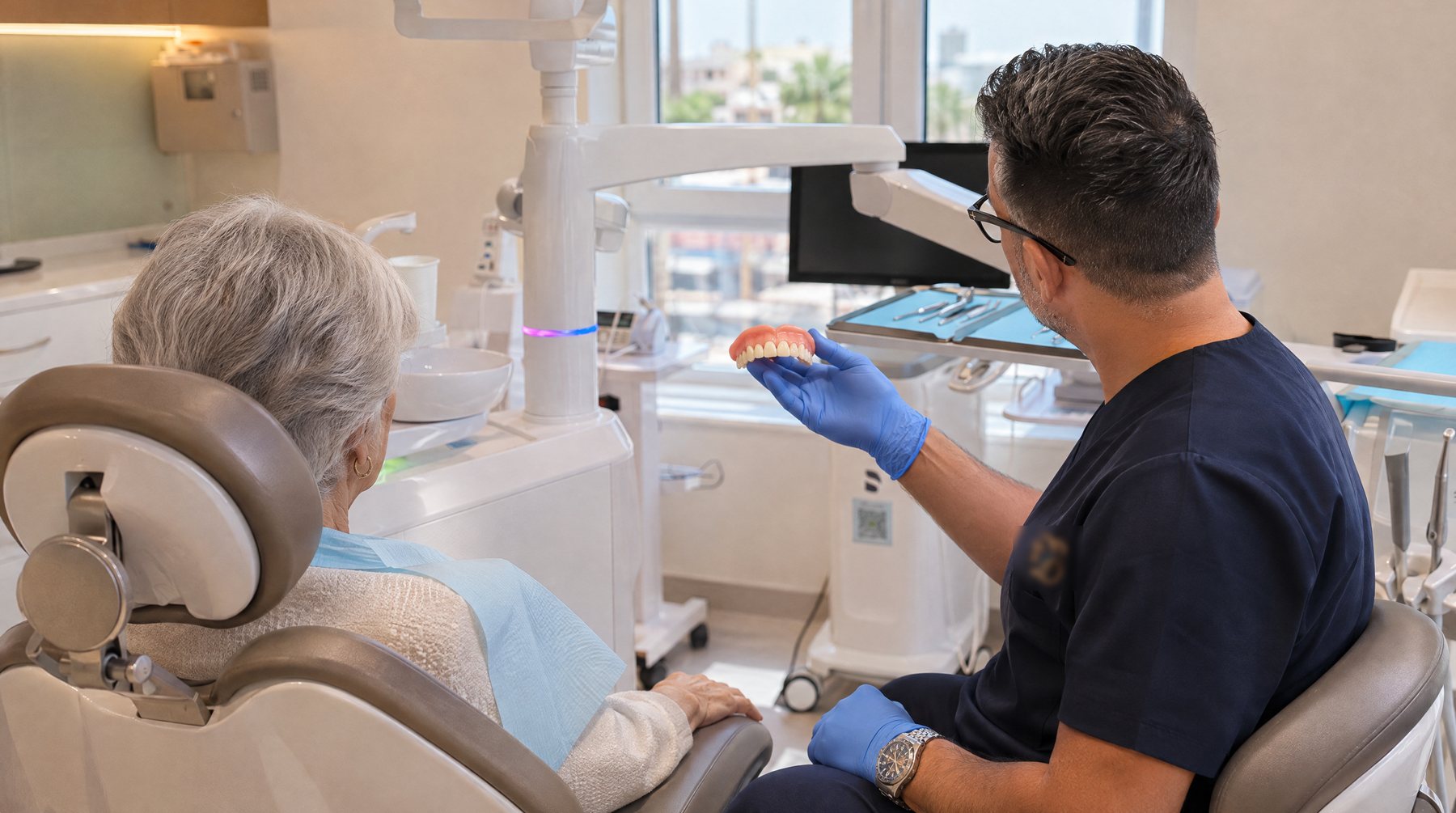
Family dentistry means the adults are looked after too. While the children are seen, parents can have their check-up and professional cleaning with our DHA licensed dental hygienist, Afra Alblooshi. Grandparents with dentures, implants or many medications are seen by Dr. Mohammad, whose doctorate was on the dental care of older people, see senior dentistry.
Tell us when you book how many people are coming and what each one needs, and we plan the appointments back to back. Coordinated appointments also make things easier for the parents: one team that knows everyone, with individual records and insurance documents for each patient.
Dr. Mohammad Shaker, DHA Specialist Prosthodontist, ran his own family practice in Saarbrücken for fifteen years, with patients from early childhood to old age. Children, parents and grandparents in one chair, one after the other. He also has two children of his own, and knows that a calm first visit is worth more than any treatment.
The clinic opened on La Mer in Jumeirah 1 in August 2026, built around prevention and the idea that tooth structure is precious. For children that means: protect first, treat early and small, and keep visits pleasant. You can read more about the team on Dr. Mohammad’s page and practical details on patient information.
Timeline
The first baby teeth usually appear. Start brushing with a soft brush and a smear of fluoride toothpaste. First visit with the first tooth.
Regular short visits to get comfortable. Advice on bottles, night feeding and snacks.
All baby teeth are in. Gentle cleanings, fluoride varnish, a pea sized amount of toothpaste.
First adult molars come through behind the baby teeth. Fissure sealing is often useful now.
Baby teeth are replaced by adult teeth. The bite is watched for crowding and orthodontic needs.
Aligners for suitable teenagers if needed, sports mouthguards, wisdom teeth assessed at check ups.
Technology
Cleaning and fluoride adapted for children.
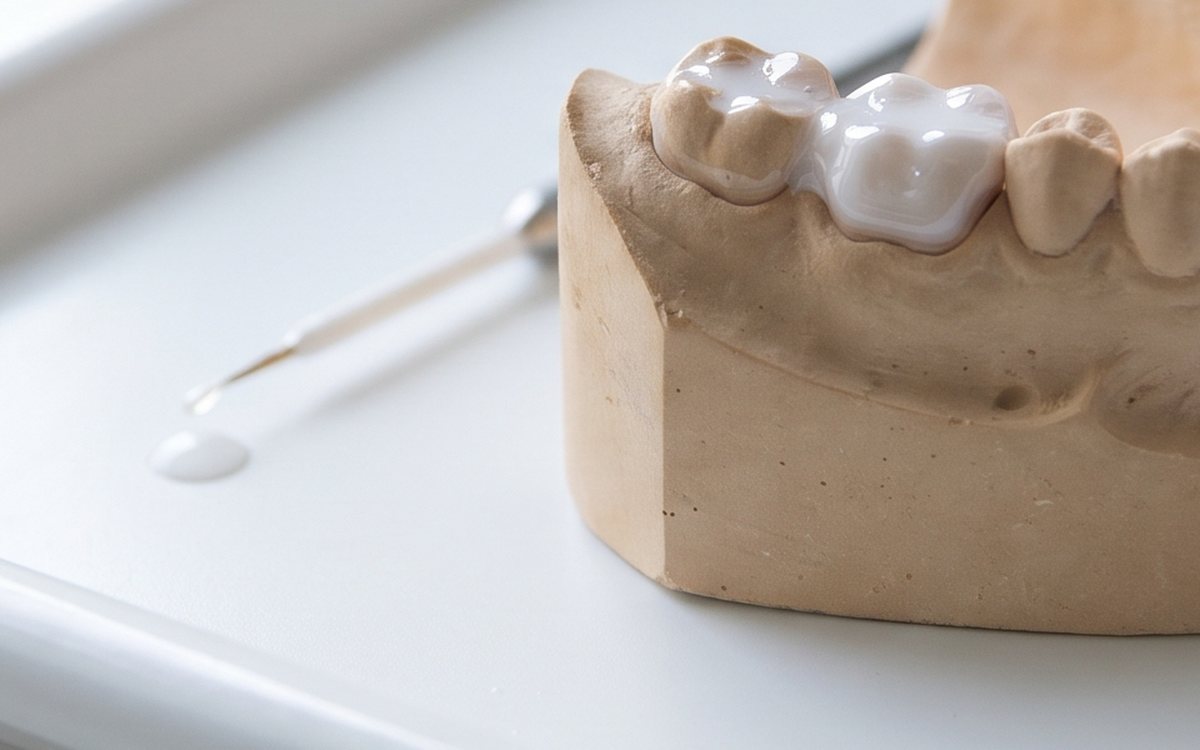
Protects the grooves of new molars.
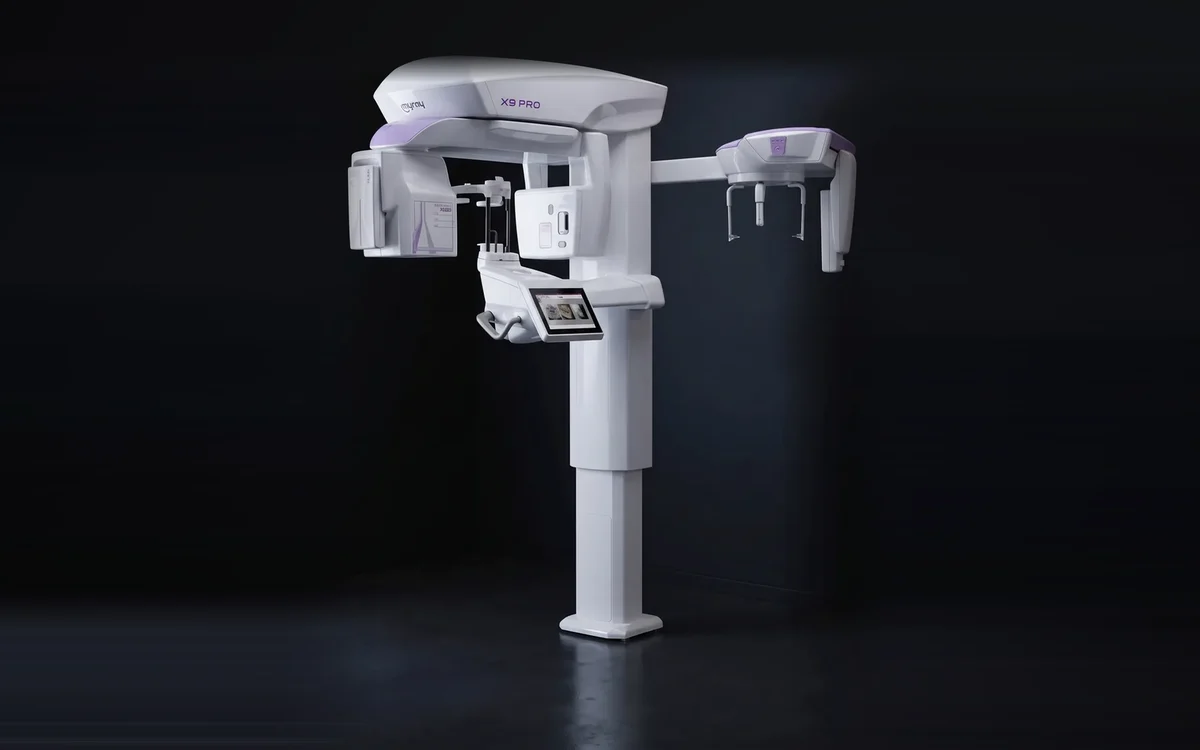
Only when needed.
Myth or fact
MythBaby teeth fall out anyway, so decay does not matter.
FactBaby teeth hold space for adult teeth and can hurt and become infected. Many stay until the age of ten to twelve.
MythChildren should only see a dentist when there is a problem.
FactSupportive early visits can help children become familiar with dental care. The first visit should be with the first tooth.
MythJuice is healthy for teeth.
FactJuice contains sugar and acid. Sipped through the day, it is a common cause of decay in children.
MythSealants are only for children with bad teeth.
FactSealants protect healthy grooves before decay starts.
More answers
Tap a question to open the answer. Anything else, ask us on WhatsApp.
Risks depend on the treatment and on your child’s medical history. These are the questions parents ask most, answered honestly.
With the first tooth, and at the latest around the first birthday. Early visits are mostly about getting comfortable.
We take time, explain everything and never force a treatment. Parents can stay in the room. Nitrous oxide can help very anxious children.
Yes. Tell us how many people and we plan back to back appointments.
Yes, from the first tooth. The first visits are short, often on a parent’s lap.
A thin, tooth coloured coating on the grooves of back teeth that protects them from decay. No drilling and no anaesthetic needed.
Yes, in the right amount for the age. Use a smear of toothpaste under three years and a pea sized amount from three.
Yes, in most cases. Baby teeth hold space for adult teeth and an infected baby tooth can hurt. Very early decay can often be stopped without drilling.
It is a well established method for anxious children. Before use we check whether it suits your child, for example a blocked nose or some medical conditions can rule it out. Some children feel sick or vomit. They stay awake, the effect usually wears off within minutes, and they go home once recovery has been checked.
No. We offer nitrous oxide and local anaesthesia. Intravenous sedation and general anaesthesia are not part of our treatment.
For an adult tooth: hold it by the crown, keep it in milk and come straight away. Do not put a baby tooth back. Dental accidents in children get priority, and we try to see them the same day.
Yes. For younger children we encourage it.
We do not bill insurance companies directly. You pay at the clinic and receive all documents to claim the costs from your insurer. Reimbursement depends on your policy, including cover for children, preventive care and nitrous oxide, exclusions and any preauthorisation, so please check before treatment. The first consultation is charged and credited towards your treatment if you go ahead.
Dr. Mohammad speaks Arabic, English and German. In the team we also speak Hindi, Turkish and Albanian.
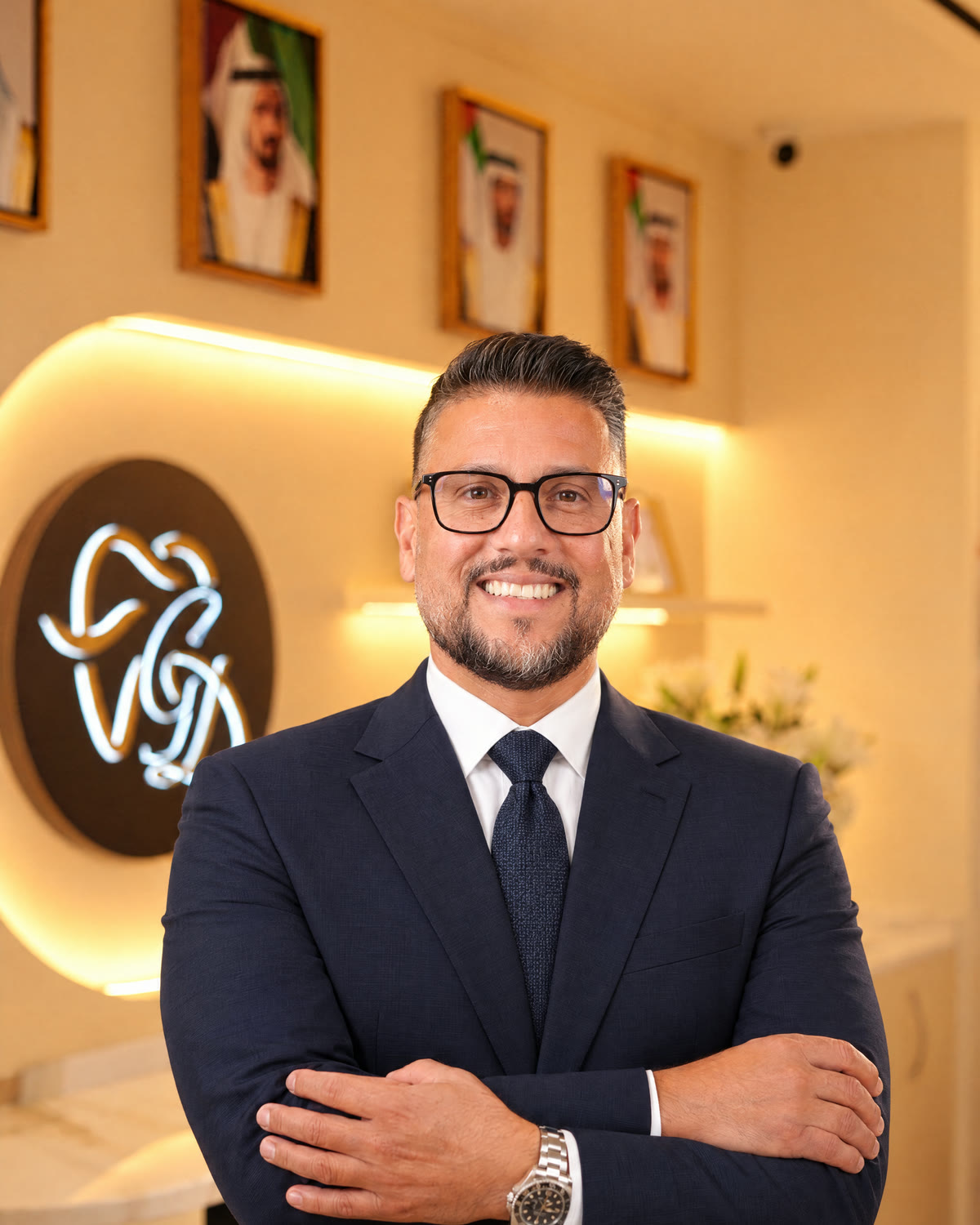
Why with Dr. Mohammad Shaker
Dr. Mohammad ran a family practice in Saarbrücken for fifteen years, with patients from early childhood to old age. Children, parents and grandparents in one chair, one after the other.
Dr. med. dent. · M.Sc. Prosthodontics · DHA Specialist Prosthodontist · Specialist Senior Dentistry (GER 🇩🇪)
Meet Dr. Mohammad ShakerYou are welcome
One message is enough. No forms, no call centre. You write, the clinic answers in Arabic, English or German.
Villa 21B, La Mer · Jumeirah 1 · Dubai
Sat to Thu 9:00 to 18:00 · Fri closed