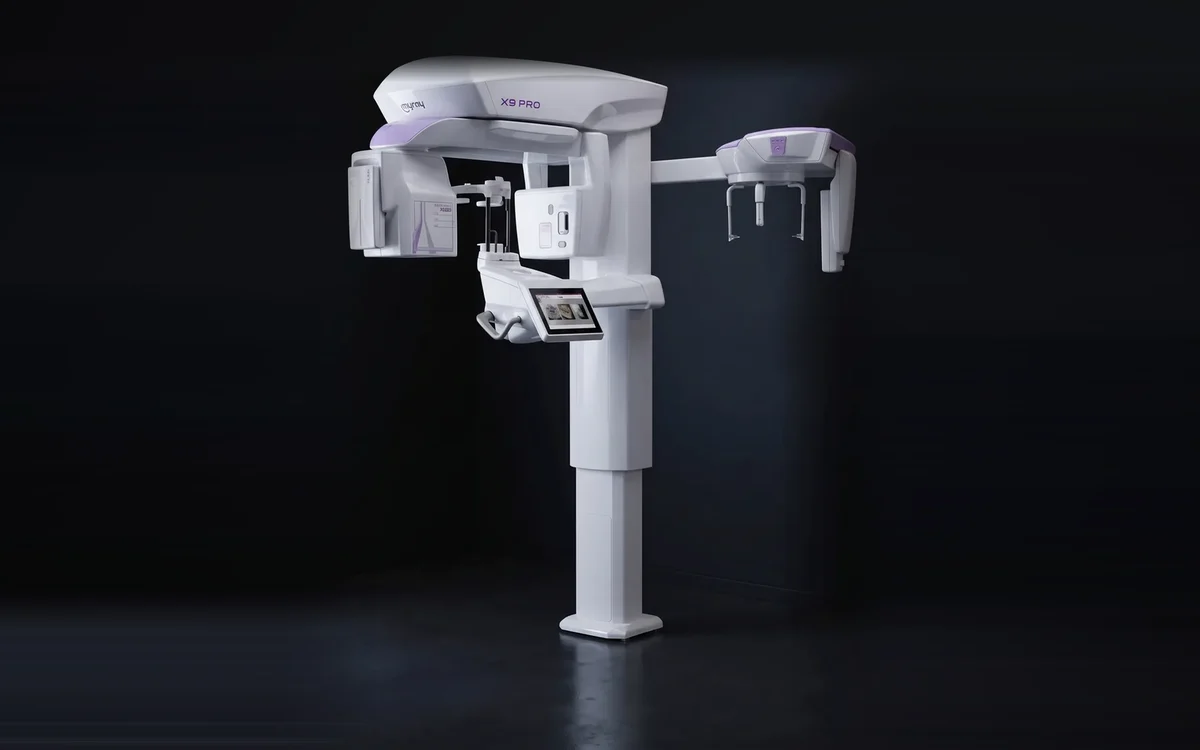
Digital X-ray
Quick diagnosis, only when needed.

Urgent cases first
Toothache, a broken tooth or a lost crown? Contact us. We give urgent cases priority and try to help on the same day, depending on available appointments.
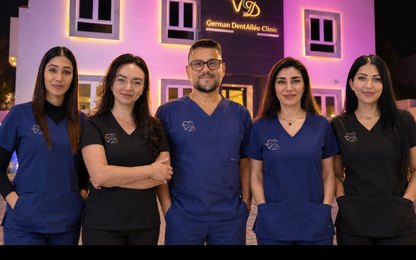
 At German DentAllée Clinic, led by Dr. Mohammad Shaker, Medical Director and DHA Specialist Prosthodontist.
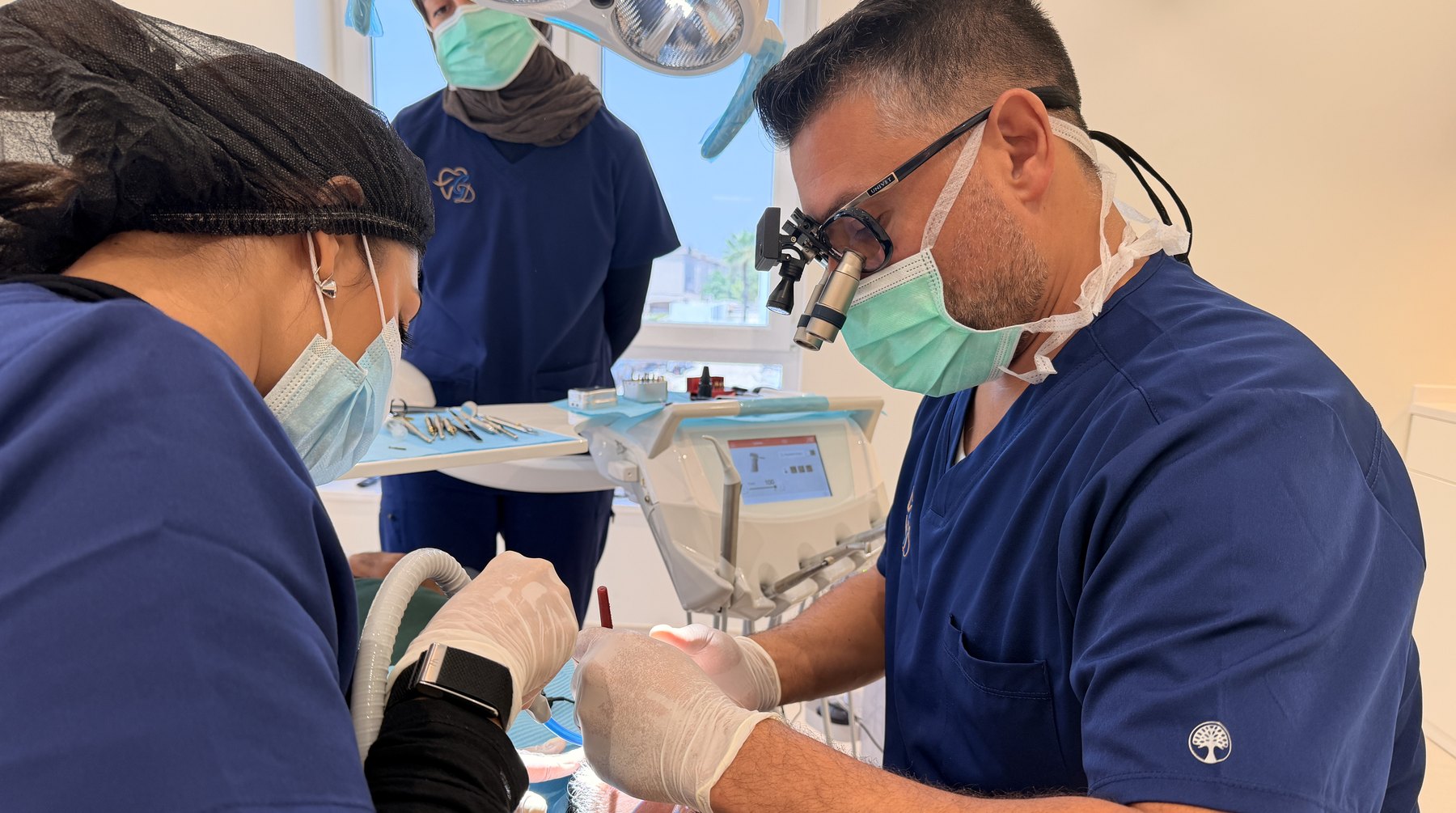
Patient guide
If you are in pain, call 800 433 368 (toll free) or write to us on WhatsApp. Urgent cases get priority, and we try to see patients in pain the same day at German DentAllée Clinic, Villa 21B, La Mer, Jumeirah 1, Saturday to Thursday from 9:00 to 18:00. Friday is closed.
At your emergency visit the first goal is to find the cause and relieve the pain. Then you hear calmly what has happened, what the options are and what they cost, before any further treatment is done. Some emergencies can be treated in the same visit, because the clinic makes ceramic crowns on site and has 3D imaging in the building. Others need a first step today and the definitive treatment at a later visit.
Some situations belong in a hospital and not in a dental chair. If your face is swollen and you have fever, if you have difficulty swallowing or breathing, after a serious accident with head injury, or if bleeding does not stop, go to a hospital emergency department straight away.
Is this for you?
Step by step
Call 800 433 368 or write on WhatsApp. Tell us what happened.
We try to find a time slot the same day during opening hours.
The cause is found and treatment aims to relieve the pain first.
If more treatment is needed, you hear the plan and the costs.
After assessment, a broken tooth may be suitable for a same-day CEREC crown.
That depends on what your teeth need, so a price without an examination would not be honest. After the examination you receive a written treatment plan with all costs, before anything starts. Payment and insurance
What changes the cost
A same day appointment cannot be guaranteed. With swelling of the face, fever or difficulty swallowing, go to a hospital emergency department straight away.
Your next step
Or call 800 433 368 (toll free) · Sat to Thu 9:00 to 18:00 · Fri closed
Anything that causes strong pain, swelling, bleeding or a broken or lost tooth is a reason to call the same day. Some problems are more urgent than others, and the list below gives you a rough guide. When you call, describe your symptoms, so the team can judge how quickly you need to be seen. You find the address, parking and directions on our contact page, and what to bring in our patient information.
Strong toothache, a knocked out permanent tooth, a broken tooth with pain, a swelling of the gum, an abscess, or pain after an extraction that gets worse instead of better.
A lost crown or filling, a chipped tooth without pain, a broken denture, a sharp edge or wire that hurts your cheek, or sensitivity that suddenly became strong.
Swelling of the face with fever, difficulty swallowing or breathing, swelling that spreads towards the eye or neck, heavy bleeding that does not stop with pressure, or a jaw injury after an accident.
Toothache has many causes, and the type of pain gives the first clue. Short, sharp pain with cold or sweets often comes from an exposed tooth neck or a small cavity. A deep, throbbing pain that wakes you at night or lingers after heat or cold usually means the nerve inside the tooth is inflamed. Pain when you bite can point to a crack, a high filling or inflammation at the root tip.
An inflamed nerve does not mean the tooth has to come out. In many cases the pain can be relieved the same day by removing the inflamed nerve tissue, the first step of a root canal treatment. The tooth is then completed and protected at the following visits.
Pain relief at the first visit is often a temporary step, for example a dressing or a temporary filling, followed by the definitive treatment. Where a tooth can be saved, a root canal treatment is usually considered before an extraction. Antibiotics do not replace treatment of the source of the pain.
Pain in the back of the jaw can also come from a wisdom tooth that is only partly through the gum and keeps getting inflamed. Pain in front of the ear, especially in the morning, is sometimes not a tooth at all but the jaw joint or the muscles, for example from grinding.
Until you are seen, a pain reliever from the pharmacy that you know you tolerate can help. Do not put aspirin directly on the gum, as it can burn the tissue. A cold compress on the cheek can ease swelling. Avoid heat on a swollen face.
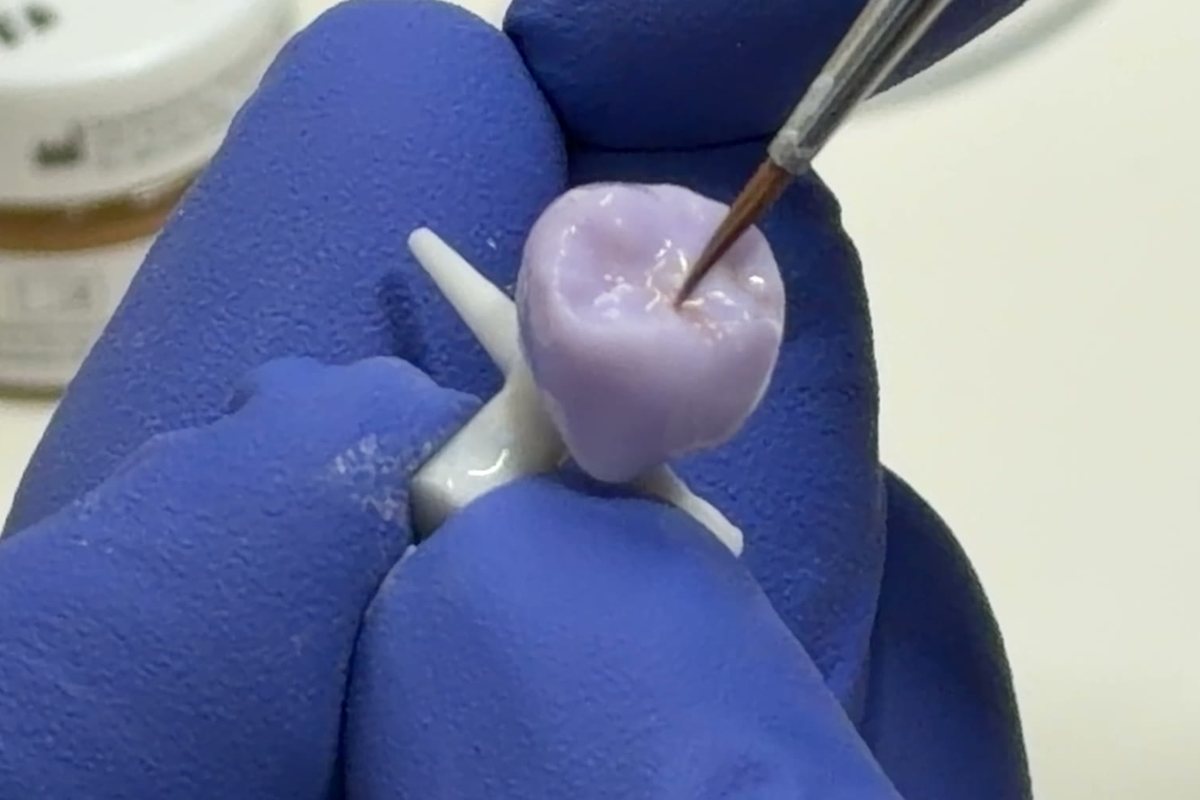
A broken tooth is one of the most common emergencies. A small chip at the edge of a front tooth is usually repaired with composite in one visit. If a larger piece has broken off a back tooth, the tooth often needs a crown or an onlay. Because German DentAllée makes ceramic crowns in the clinic with CEREC, a broken tooth can often get a same-day crown right away, without a temporary and without a second appointment.
If you can find the broken piece of a front tooth, keep it in water or milk and bring it with you. Sometimes it can be bonded back on.
If a crown has come off, keep it and bring it. If the crown and the tooth underneath are intact, it can often be cleaned and bonded again. If the tooth underneath has decayed or broken, a new crown is planned. Avoid chewing on that side until you are seen, and do not glue the crown back with household glue.
A lost filling leaves a hole that can be sensitive. Keep the area clean, avoid very hot, cold or sweet food on that side and book a visit. It is rarely dangerous, but the tooth is more vulnerable until it is closed again.
When a permanent tooth is knocked out completely, time matters more than anything else. The cells on the root surface stay alive for a short time, and the sooner the tooth is put back, the better its chances. Keeping the root moist is the second most important thing, because cells that dry out cannot recover.
When the roots are fully formed, a tooth that has been put back usually needs a root canal treatment, ideally started within about two weeks, and regular X-ray checks, because the nerve rarely survives. In young permanent teeth whose roots are still growing, the nerve can sometimes recover, so the tooth is assessed and followed up differently. Even so, keeping your own tooth is worth the effort.
A swelling of the gum or the face usually means an infection, most often from a dead nerve inside a tooth, from a gum pocket or from a wisdom tooth. A small pimple on the gum that releases pus is also a sign of infection from the tooth root.
An abscess should never be ignored. The cause has to be treated, because antibiotics alone cannot clean the inside of a tooth or a deep gum pocket. At the emergency visit the tooth is examined and X-rayed, the pressure is relieved, for example by opening the tooth or draining the abscess, and the cause is treated or planned. Antibiotics are prescribed when they are really needed, for example when the infection spreads.
A swelling that is getting bigger, spreading towards the eye or the neck, or coming with fever, difficulty swallowing or breathing is a medical emergency. In that case go to a hospital emergency department straight away, even outside our opening hours.
After the infection has calmed down, the tooth can often be saved with a root canal treatment. If it cannot be saved, it is removed and the options for replacing it, from a bridge to an implant, are explained.
Some pain and swelling after a tooth removal is normal. It can increase for up to two or three days, especially after surgery, and then usually improves. Pain that gets worse after the third or fourth day, a bad taste and an empty looking socket can mean the blood clot has been lost, a condition called dry socket. Worsening pain needs a dental check. If dry socket is diagnosed, cleaning the socket and placing a dressing can help relieve the pain.
Light bleeding in the first hours is normal. If it continues, bite firmly on a clean, folded gauze or a moist tea bag for twenty to thirty minutes without checking in between. If bleeding does not stop with firm pressure, call us, and if it is heavy, go to a hospital.
Wisdom teeth that are only partly through the gum often get inflamed again and again. In the acute phase the area is cleaned and the inflammation calmed. Whether the tooth should be removed later is planned with our oral and maxillofacial surgeon, Dr. Ayse Yilmaz Bastug, see wisdom teeth and oral surgery.
Dental accidents in children get priority, and we try to see them the same day. Children often fall on their front teeth when they learn to walk, ride a bike or play sports. Even if a milk tooth looks fine after a fall, it is worth a check, because the permanent tooth underneath can be affected. Parents can stay in the room, and nitrous oxide can help anxious children relax.
For adults who are anxious, an emergency is doubly stressful. Tell us when you call. The local anaesthetic can be given with the Wand, which delivers it slowly and evenly, and nitrous oxide is available. Nobody is rushed.
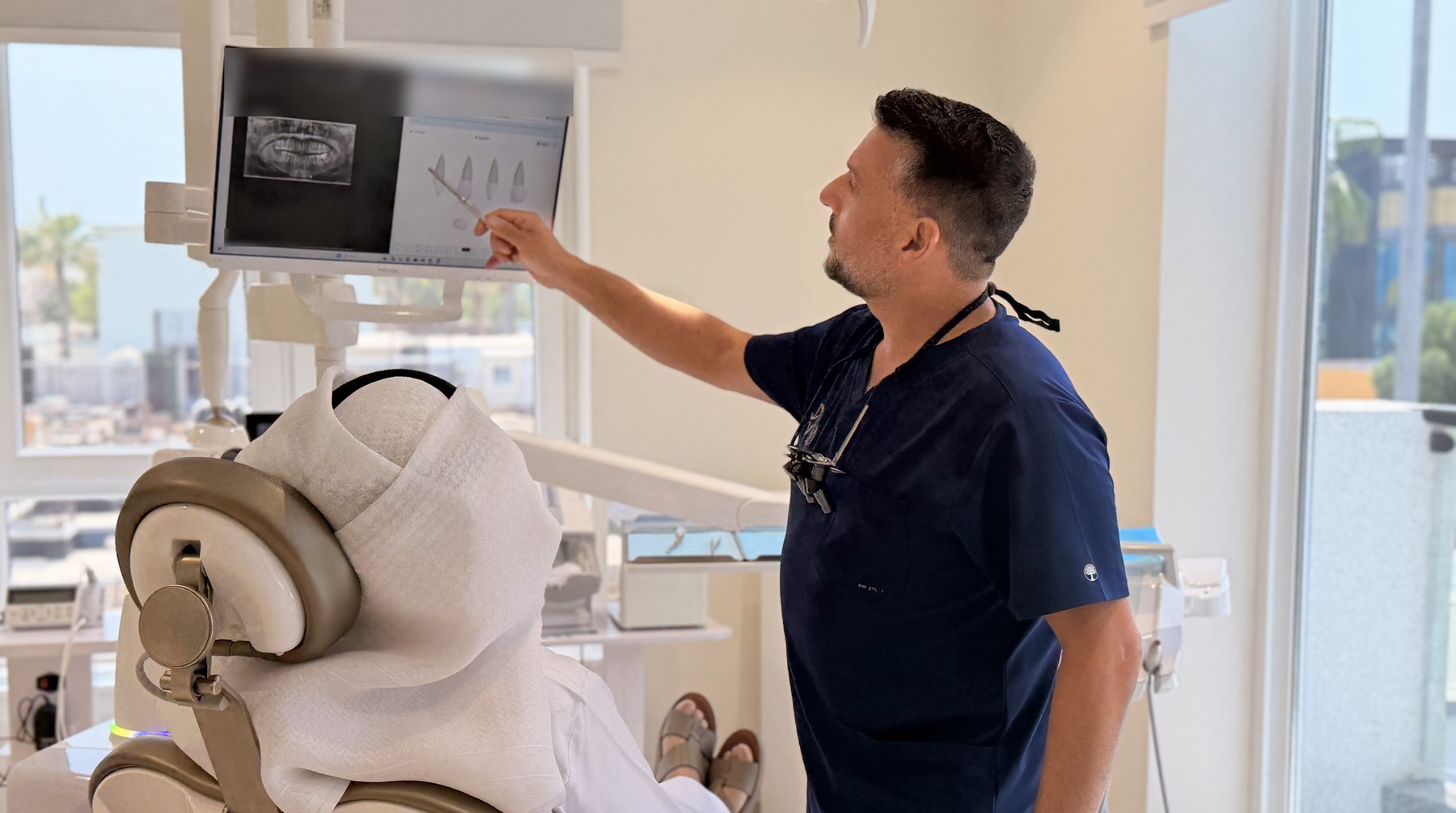
At the visit you are first asked what happened and which medication you take. The tooth is examined and, where needed, a digital X-ray or a 3D scan is taken. Then the pain is treated. Before anything beyond pain relief is done, you hear the plan and the costs. Dr. Mohammad treats in Arabic, English and German, and the team also speaks Hindi, Turkish and Albanian.
The clinic is on the ground floor, wheelchair accessible, with its own parking at the villa on La Mer.
Timeline
Call 800 433 368 or write on WhatsApp. Tell us what happened and how strong the pain is.
We try to find a time slot the same day during opening hours, Saturday to Thursday.
Short history, examination and an X-ray if needed.
The cause is found and treatment aims to relieve the pain first, under local anaesthetic.
If more treatment is needed, you hear the plan and the costs before anything else is done.
A temporary first step today, the definitive treatment later. For a suitable broken tooth, a same-day crown may be possible.
Technology
Quick diagnosis, only when needed.
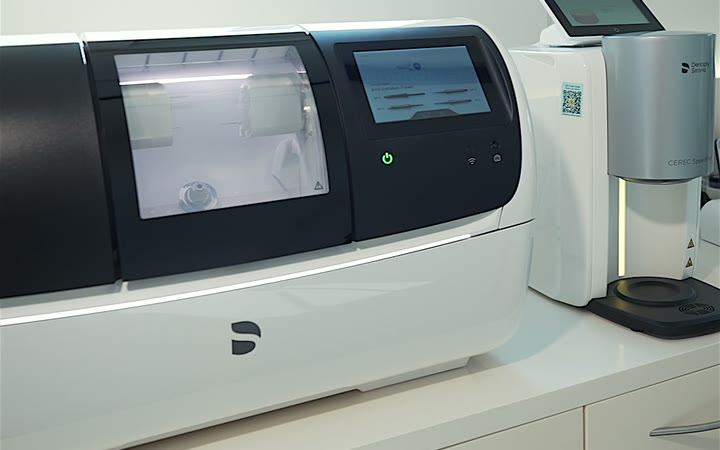
A same-day ceramic crown may be suitable for a broken tooth after assessment.
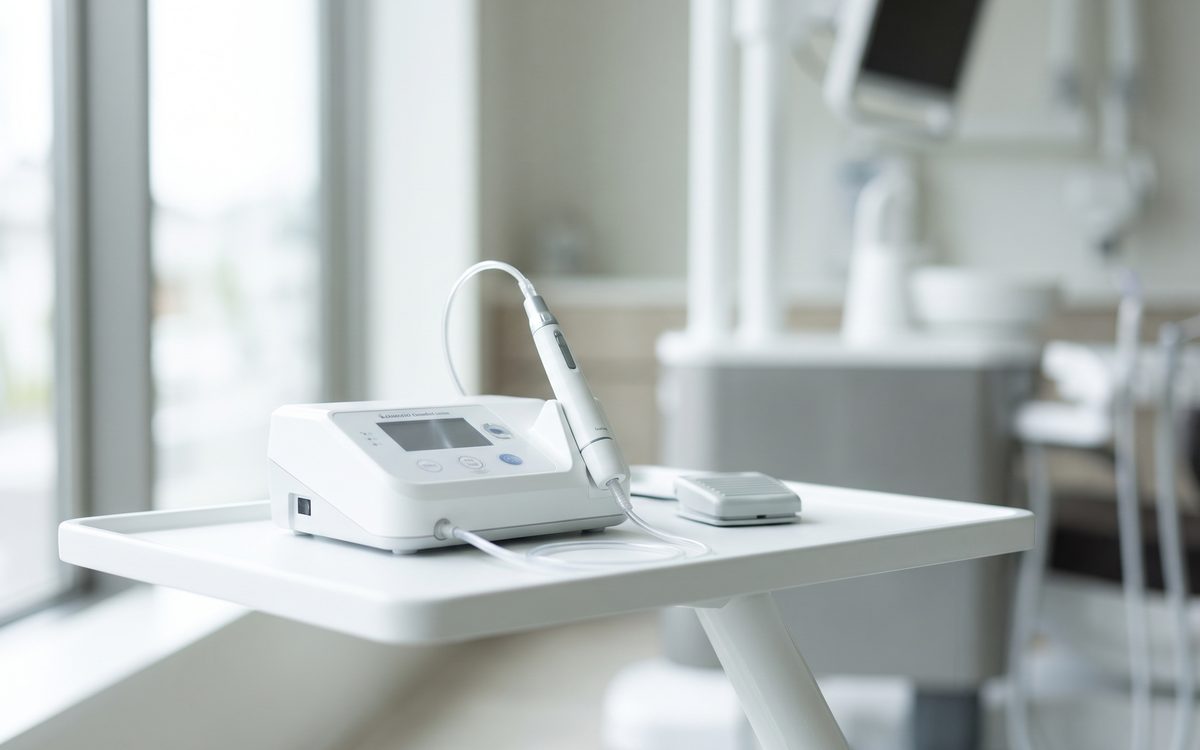
Gentle anaesthesia, also for anxious patients.
More answers
Tap a question to open the answer. Anything else, ask us on WhatsApp.
Many dental problems can wait a day, but some get worse quickly. This is not meant to worry you, only to help you decide when to act fast.
Urgent cases get priority, and we try to see patients in pain the same day, Saturday to Thursday from 9:00 to 18:00. Call 800 433 368 or write on WhatsApp.
No, Friday is closed. Saturday to Thursday we are open from 9:00 to 18:00.
Hold it by the crown, not the root. If it is a permanent tooth, you can gently put it back into its socket. If that is not possible, keep it in a container of milk, or in the mouth only if there is no risk of swallowing it, and come straight away. Milk teeth are not put back. Time matters.
Yes. Call us the same day. If you have fever or difficulty swallowing or breathing, go to a hospital emergency room.
Keep the crown, avoid chewing on that side and call us. If crown and tooth are intact, it can often be bonded again.
Often, depending on the damage. A small chip can usually be repaired with composite, and after assessment a broken back tooth may be suitable for a same-day CEREC crown.
Yes, including dental accidents in children. We try to see them the same day.
If an extraction is the right solution, it can often be done soon. More complex surgical extractions are planned with our oral and maxillofacial surgeon, who is in the clinic every Tuesday and whenever a case needs her.
A pain reliever from the pharmacy that you know you tolerate, following the leaflet. Do not put tablets on the gum, and use cold, not heat, on a swelling.
New patients are welcome, and we try to see patients in pain the same day during opening hours. You do not need to be a registered patient. Bring your Emirates ID or passport and a list of your medication.
We do not bill insurance companies directly. You pay at the clinic and receive all documents to claim the costs from your insurer. Reimbursement depends on your policy, its exclusions and any pre approval rules, so check your emergency and follow up cover with your insurer. Payment by cash, card, transfer, Tabby or Tamara.
It depends on what is needed. You hear the costs before any treatment beyond the first pain relief is done.
We offer denture repairs. If you need it back on the same day, contact us and we will explain the referral options for a same-day repair.
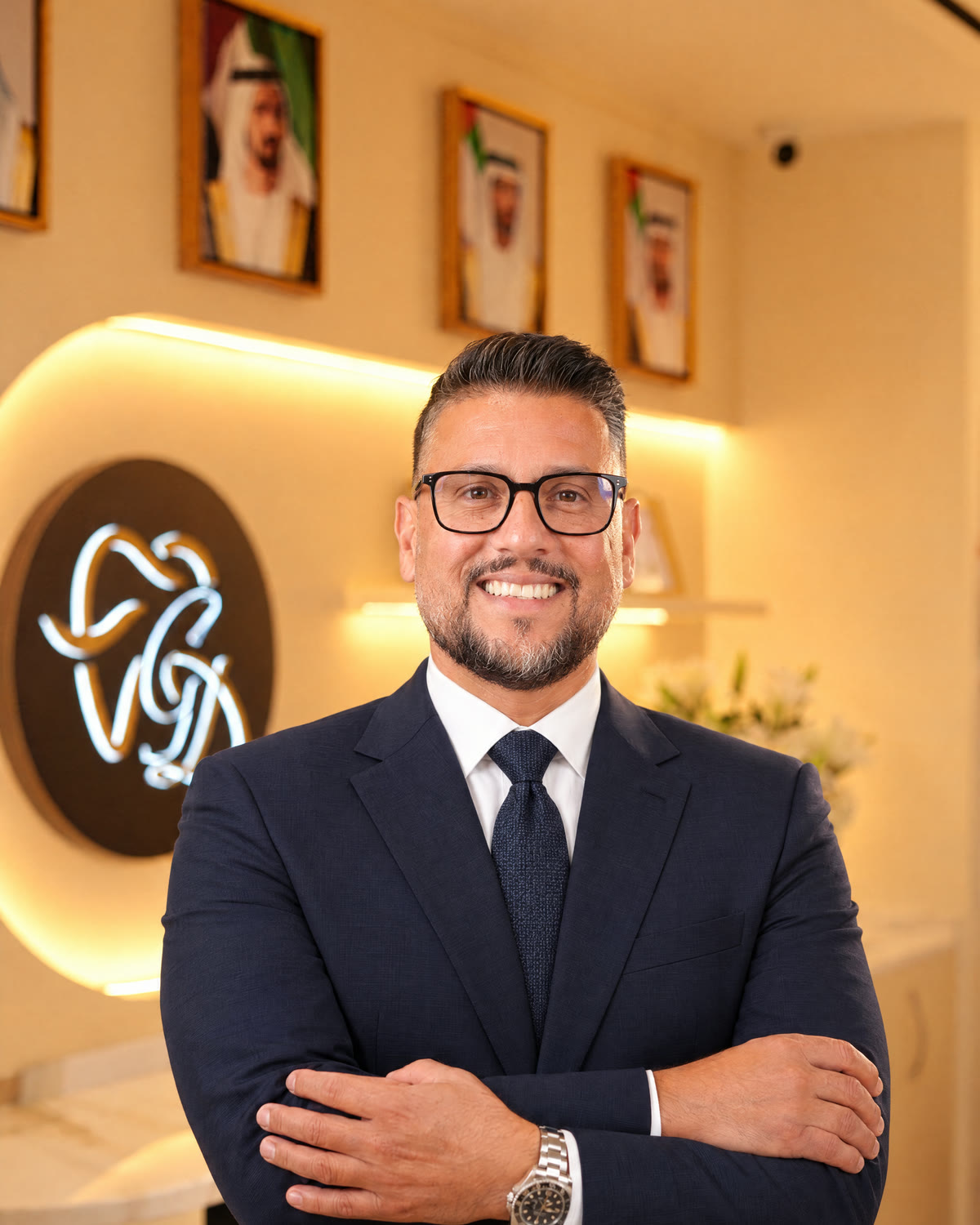
Why with Dr. Mohammad Shaker
A dental emergency is stressful. In a clinic that makes crowns on site, a broken tooth often does not need a second appointment. And you are treated by a team that speaks your language.
Dr. med. dent. · M.Sc. Prosthodontics · DHA Specialist Prosthodontist · Specialist Senior Dentistry (GER 🇩🇪)
Meet Dr. Mohammad ShakerAlso at the clinic
You are welcome
One message is enough. No forms, no call centre. You write, the clinic answers in Arabic, English or German.
Villa 21B, La Mer · Jumeirah 1 · Dubai
Sat to Thu 9:00 to 18:00 · Fri closed